Finding the best chop saw means balancing power, durability, and precision for metal cutting. The following selections come from reliable brands and cover dry-cut, carbide-tipped blades, and intelligent motor features designed to reduce heat, burrs, and material distortion. Whether you’re tackling professional fabrication or home-shop tasks, these models offer strong performance, safety features, and straightforward setup.
| Brand | Product |
|---|---|
| DEWALT | Chop Saw, 14-Inch (D28730) — 2300W |
| EVOLUTION | S355CPSL – Heavy Duty 14 Inch Metal Cutting Chop Saw |
| EVOLUTION | S14MCS 14″ Mitering Chop Saw |
| EVOLUTION | S14CPS 14″ Heavy-Duty Metal Cutting Chop Saw |
| Metabo HPT | 10-Inch Single Bevel Compound Miter Saw (C10FCG2) |
Choosing the right model depends on blade life, chip management, and ease of maintenance. The listed options offer a mix of dry-cut technology, soft-start braking, and adjustable fences for accurate miters. Consider the types of metal you work with, the thickness of stock, and how frequently you’ll need to change blades or clamps. The following sections present concise snapshots of each product’s core strengths and what to expect in typical use.
DEWALT Chop Saw, 14-Inch (D28730)

The 2300W motor delivers strong overload protection for challenging cuts. An ergonomically designed handle reduces fatigue during extended use, helping maintain productivity. The Quick-Lock vise enables fast clamping on varying material sizes, supporting quick setup and consistent cuts on metal stock. This model’s robust construction and reliable clamping make it a practical choice for fabrication shops and on-site work.
Evolution S355CPSL – Heavy Duty 14 Inch Metal Cutting Chop Saw
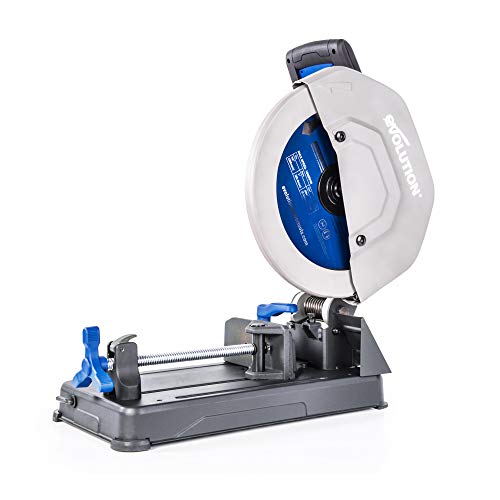
This dry-cut metal cutting saw uses a premium tungsten carbide-tipped blade and a 15A motor in a lightweight base, prioritizing portability without sacrificing cutting power. The integrated chip deflector helps keep the work area cleaner, while the dry-cut technology minimizes heat and burrs for cleaner finishes. The adjustable miter range (0-45 degrees) with a cast steel vise and fence allows precise angled cuts, aided by a quick-release mechanism for fast clamping on different workpieces.
Evolution S14MCS 14″ Mitering Chop Saw

Engineered for professionals, this model emphasizes fast, accurate cold-cut performance with reduced burrs and virtually no airborne dust. The EVOMAX intelligent motor delivers 1,100 RPM with soft-start and a blade brake for quick stopping. The included EVOMAX blade supports thousands of cuts, contributing to a longer blade life and cleaner finishes. The shadow line guide aids precise alignment, and a reinforced base provides stability during heavy-duty tasks.
Evolution S14CPS 14″ Heavy-Duty Metal Cutting Chop Saw

Featuring EVOMAX Intelligent Motor Technology, this saw is designed to extend blade life and reduce mechanical stress during startup. The Shadow Line cutting guide ensures precise visibility of the cutting path, while a cast iron fence provides stable support for consistent accuracy. The blade system is optimized for high-volume, repeatable cuts on metal stock, making it suitable for fabrication shops and job sites requiring dependable performance.
DEWALT 12-Inch Miter Saw, 15-Amp, Single Bevel

Although primarily a miter saw, this DEWALT model adds value to metalworking workflows with a robust 15-amp motor and a precise mitre system. It features a tall sliding fence to support large base and crown molding projects, along with a dust collection system that reduces debris. For professionals who perform mixed tasks—miter cuts and metal cuts—this tool can complement a chop saw lineup by handling precise angle work and crosscuts with efficiency.
DEWALT Miter Saw, 12 Inch Double Bevel Sliding Compound

This model features a powerful 15-amp motor and 3,800 rpm, designed for extended power and durability. It includes a super-efficient dust collection system and tall fences to support larger molding profiles. While focused on woodworking, the precise miter alignment and stable base can assist with accurate crosscuts on metal pieces when paired with appropriate blades and safety practices.
Buying Guide: Key Purchase Considerations And Comparisons
- Cutting capacity and blade size: 14-inch blades handle larger stock; 10-inch variants offer portability but may require more frequent blade changes for thicker metal.
- Motor power and torque: Higher wattage or horsepower supports tougher materials and faster cutting, reducing tool fatigue during long tasks.
- Dry-cut technology vs. flood-cooled blades: Dry-cut systems minimize heat and burrs but may require more frequent cleaning, while carbide-tipped blades with effective chip deflection keep blades cooler for longer cuts.
- Vise and fence quality: A strong, adjustable vise with a cast iron fence improves repeatability and accuracy, especially for precise miters and repeat cuts.
- Soft-start and braking: Soft-start reduces electrical stress on startup; a fast blade brake improves safety by stopping the blade quickly after the cut.
- Portability vs. stability: Lightweight bases are easier to move, but heavier bases usually offer better stability for precision cuts on metal stock.
- Dust and debris management: Integrated chip deflectors and dust collection help maintain a cleaner workspace, particularly for dry-cut operations.
- Blade types and availability: Tungsten carbide-tipped blades provide clean cuts on mild steel; verify blade compatibility and availability for your stock profiles.
- Maintenance and spare parts: Look for models with widely available replacement parts and blades to minimize downtime on job sites.
- Intended use and environment: For shop floors with high-volume cuts, prioritize reliability and blade life; for occasional DIY use, a lighter, easier-to-fix model may suffice.
When evaluating options, align your choice with the most common metals you work, your required cut angles, and the level of dust control you need. Brands like Evolution emphasize durability and long blade life for metal cutting, while DEWALT focuses on robust clamping and ergonomic design. A combination approach—selecting a primary chop saw for heavy-duty metal cuts and a secondary miter saw for angled or precision cuts—often delivers the best overall workflow in a professional shop.