Railroad environments demand reliable foot protection, comfort, and traction. The following selection highlights five top-rated work boots designed for heavy-duty use on railways, yards, and maintenance projects. Each option combines safety features like steel or composite toes, waterproofing, and slip resistance with durable construction to help workers stay safe and comfortable through long shifts.
| Product | Brand | Key Feature |
|---|---|---|
| NORTIV 8 Waterproof Work Boots for Men | NORTIV 8 | |
| Irish Setter Marshall | Irish Setter | |
| ARIAT Sierra Wide Square Toe | ARIAT | |
| Timberland PRO Evergreen 8 Inch | Timberland PRO | |
| Ever Boots Wellington Waterproof Steel Toe | EVER BOOTS |
The following sections dive into each product’s strengths in railroad settings—covering protection, comfort, durability, and how they address common on-the-job challenges such as wet conditions, uneven terrain, and long wearing hours.
NORTIV 8 Steel Toe Boots For Men

These boots combine a steel toe with a rugged upper designed to resist moisture and abrasion, making them well-suited for rail yards, where falling objects and sharp debris can pose risks. The steel toe and rubber toe cap are built to meet ASTM 2413-18 standards, providing a safety buffer for toe injuries during clumsy loads or tool handling. A static waterproof upper helps keep feet dry for several hours in damp conditions, while a lugged rubber outsole improves traction on slick or uneven surfaces common around tracks. This balance of protection, water resistance, and grip makes them a strong option for railroad maintenance work.
Key points for railroad use: steel toe protection for heavy objects, reliable waterproofing to manage wet days, and a traction-focused outsole to prevent slips on damp ballast or wooden planks. The boot’s rugged construction supports long shifts without excessive heat buildup, contributing to consistent comfort when walking long distances along tracks.
Irish Setter Marshall Work Boot

This leather boot features a steel safety toe and a rubber outsole designed for both slip resistance and heat resistance, meeting multiple ASTM standards. The design emphasizes stability with a removable polyurethane footbed and a steel shank, which can help reduce fatigue over long shifts spent on hard platforms and uneven ground. RPM technology is highlighted as a feature to enhance comfort and reduce boot weight, a meaningful advantage when spending many hours on foot in a rail yard. Overall, it’s a sturdy choice for workers who require dependable toe protection and long-wearing support.
Railroad workers benefit from the boot’s protective toe, durable leather, and energy-damping benefits that help maintain foot health during repetitive movements and stepping tasks, making it a reliable option for daily duties alongside tracks and maintenance corridors.
ARIAT Sierra Wide Square Toe

These boots are built with Goodyear welt construction and full-grain leather, offering notable durability under demanding rail-side tasks. The square toe shape provides extra room for working in cramped spaces and placing a foot securely on uneven surfaces. ATS technology targets stability and comfort, supporting the foot through long shifts and varied movements typical of railroad work. While primarily known for a rugged aesthetic, the Sierra also emphasizes structural integrity—an essential factor when carrying tools or stepping on steel grating or irregular ballast.
Consider ARIAT Sierra when prioritizing durability, foot stability, and a traditional, long-lasting boot profile. The combination of leather construction, stability technology, and a confident fit can be advantageous for workers who require consistent support during welding, maintenance, or inspection work along rail corridors.
Timberland PRO Evergreen 8 Inch
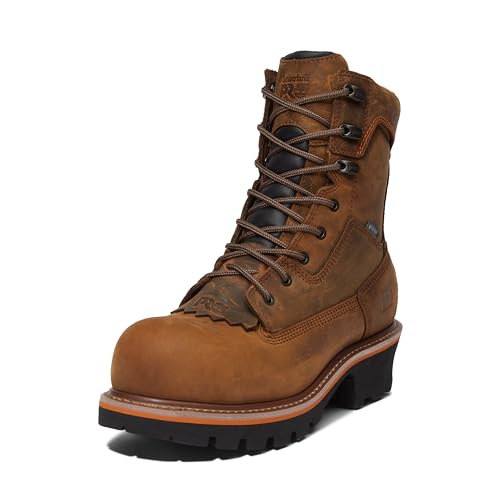
The Timberland PRO Evergreen features a composite safety toe and an athletic, energy-returning comfort system designed to support all-day wear. The Anti-Fatigue technology combines with a multi-density outsole to offer cushioning and stability across varying railroad surfaces, such as gravel, concrete walkways, and wet platforms. The carbon-shield technology provides lightness and a protective layer, which can be beneficial during or after shifts that involve carrying equipment or ascending ladders. This boot balances protection, support, and flexibility, making it a versatile option for railroad workers who encounter mixed terrain.
In railroad contexts, the composite toe helps reduce weight while maintaining impact protection, and the waterproofing helps with sudden weather changes. The result is a dependable boot for multitask days involving inspections, repairs, and routine maintenance along the rail line.
Ever Boots Wellington Waterproof Steel Toe
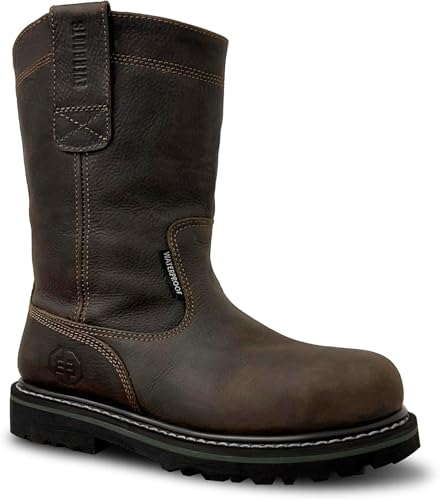
These Wellington-style boots feature a steel toe and premium waterproof leather designed to withstand wet environments. A slip-resistant outsole helps workers maintain footing on damp switches, metal grating, or muddy ballast areas. The emphasis on waterproof leather and a robust steel toe makes them well-suited for railroad maintenance tasks that require protection against moisture, abrasive surfaces, and impact hazards. The boot’s height provides additional ankle support for uneven ground and stair-like rail structures encountered during inspections and repairs.
Railroad personnel may prefer Ever Boots Wellington when they need sturdy protection, reliable waterproofing, and a traditional boot silhouette that pairs well with a wide range of gear used on site.
Buying Guide: Key Purchase Considerations For Railroad Boots
- Protection Level: Steel toe vs. composite toe. Steel toes tend to offer maximum protection against heavy objects, while composite toes can reduce weight for all-day comfort without sacrificing safety.
- Waterproofing: Consider boots with waterproof uppers or integrated waterproof socks to handle rain, puddles, or damp rail yards where moisture can linger on footwear.
- Traction: A lugged outsole with slip resistance is crucial for walking on slick metal, wet ballast, or oily platforms. Look for soles rated for varied surfaces and temperatures.
- Support and Comfort: Features like anti-fatigue technology, EVA or polyurethane footbeds, and shanks contribute to foot and lower-leg comfort during long shifts.
- Weight and Mobility: Lighter boots or those with composite toes can reduce fatigue during long days; however, ensure they still provide adequate protection for the work you perform.
- Durability: Goodyear welt construction and quality leathers offer longer lifespans in harsh environments. Consider how often boots may need replacement and the wear they’ll endure along rails and maintenance routes.
- Sizing and Fit: Rail work often involves standing, climbing, and kneeling. A snug yet comfortable fit with appropriate width options helps prevent hot spots and blisters.
Choosing the right rail-focused boot involves balancing protection, comfort, and durability with the specific tasks you perform—inspection, maintenance, or heavy lifting along the tracks. The options listed here provide a spectrum from rugged steel-toe protection to lighter composite designs, all aiming to meet the demands of railroad environments while prioritizing foot health over long workdays.