Whether you’re clearing dense brush, tall grasses, or stubborn hedges, a capable weed wacker is essential. This guide highlights five reliable options, from lightweight cordless tools to heavy‑duty gas models, each with features tailored for brush-cutting and tough terrain. Read on to compare power, blades, and ergonomics to find the best fit for your yard tasks.
Overview of selected products
| Product | Brand | Power Type | Key Blade/Attachment | Approx. Weight |
|---|---|---|---|---|
| 24V Electric Weed Wacker Cordless | ALSO GO | Electric (Cordless) | 3 types: metal blade for thick brush, saw blade, plastic blades | Lightweight |
| WILD BADGER POWER 40V Cordless | Wild Badger Power | Electric (Cordless) | 4‑in‑1: trimming, pole saw, hedge, brush cutter blade | Lightweight, ergonomic |
| WTHW 52cc Gas Powered | WTHW | Gas | 10″ brush blade, dual-line head, guard | Heavier, high power |
| PROYAMA 42.7cc Gas 3‑in‑1 | PROYAMA | Gas | 3‑in‑1: brush cutter, trimmer, garden tool | Moderate to heavy |
| Cordless Weed Wacker Ohey 3‑Blade | Ohey | Electric (Cordless) | Three blades: plastic, steel, saw | Lightweight |
Best 24V Cordless: 24V Electric Weed Wacker From ALSO GO

The ALSO GO 24V cordless weed wacker is designed for versatility in brush clearing. It includes three blade options: a metal blade for dense brush and hedges, a saw blade for branches, and plastic blades for tender grass. An adjustable rod (35 to 47 inches) and a tilt-able cutting head help you reach slopes and corners with ease. Powered by a built‑in 200W motor and two 24V 2.0Ah batteries, it can reach up to 11,000 RPM for faster clearing. A recommended rest period prevents overheating during extended use.
Four‑In‑One Cordless Power: Wild Badger Power 40V

The Wild Badger Power 40V system provides a 4‑in‑1 tool kit that replaces multiple devices. It trims, edges, cuts brush, and handles shrubs with included attachments. The 2×20V 4Ah batteries deliver solid runtime, while a lightweight design minimizes fatigue during long sessions. This setup is ideal for homeowners who want a flexible, all‑in‑one solution for mid‑to‑heavy yard tasks without a gas engine.
Heavy‑Duty Gas Power: WTHW 52cc 3‑in‑1
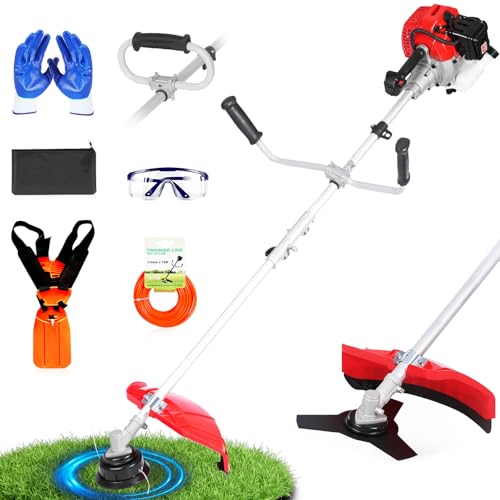
The WTHW 52cc gas weed eater offers robust performance for thick brush and saplings. With a 7,500 RPM engine and 3‑in‑1 versatility (brush blade, dual-line head, guard), it handles heavy clearing efficiently. An anti‑vibration system and padded handles improve control and reduce fatigue. The quick‑swap head and durable build make it suitable for extended yard work where electric models may fall short.
Pro Grade 42.7cc Gas 3‑in‑1: PROYAMA

PROYAMA’s 42.7cc 2‑cycle engine emphasizes power and reliability for brush cutting. The 3‑in‑1 design trims, cuts, and clears with an easy starting system and ergonomic handlebar layout. It features a quick‑release split shaft for transport and storage, making it suitable for homeowners who need a strong, long‑term tool for rugged yard conditions. The engine’s EPA certification highlights efficiency and lower emissions for a gas model.
Cordless 3‑Blade Wacker: Ohey Electric

The Ohey cordless weed wacker emphasizes flexibility with an adjustable pole (39.3″ to 50.3″) and a head that rotates 0°–90°. It ships with three blade types—plastic for soft grass, steel for tougher growth, and saw blades for thick brush—providing a versatile solution for various tasks. Its pure copper motor supports strong trimming performance while maintaining a cordless experience free from power cords.
Buying Guide: Key Considerations For Choosing A Brush‑Clearing Weed Wacker
- Power source and runtime: Cordless models provide maneuverability and quiet operation, ideal for small to medium areas. Gas models offer maximum torque for dense brush and larger yards but require fuel, maintenance, and heavier handling.
- Blade options and compatibility: Look for multi‑blade kits (plastic, steel, and saw blades) to tackle different brush types. Ensure attachment compatibility with your chosen model for future upgrades.
- Endurance and cooling: Longer runtimes demand adequate cooling periods and battery capacity or fuel management. Models with built‑in cooling features or recommended rest intervals help prevent overheating.
- Weight and ergonomics: Lightweight tools reduce fatigue on long jobs. Features like padded handles, anti‑vibration systems, and balanced weight distribution improve control when trimming through brush and along slopes.
- Reach and adjustability: Telescoping or adjustable shafts extend your reach and allow comfortable operation for users of different heights. A tilting or rotating head helps with edging and awkward angles.
- Safety and maintenance: Check safety guards, automatic stops, and easy access for maintenance. Gas models require regular inspection of spark plugs, air filters, and fuel mixtures.
- Maintenance cost and availability: Consider blade durability, replacement blade availability, and the cost of extra batteries or fuel as part of total ownership.
- Noise and emissions: Electric models generally run quieter and with no emissions, suitable for neighborhoods. Gas engines deliver higher power but produce more noise and fumes.
When selecting a weed wacker for brush, align the tool’s power with your typical job profile. For light to moderate brush and grass clearance, cordless options with versatile blade sets can be highly effective. For heavy brush or saplings, gas models with strong torque and robust cutting blades deliver reliable performance. Ergonomics, safety features, and maintenance compatibility should guide your final decision to ensure efficient, comfortable yard work over time.