When you need a reliable variable speed hammer drill, the focus is on power, control, and versatility. This guide highlights top corded models suited for DIYers and professionals who drill into concrete, masonry, wood, and metal. Each pick is evaluated for ease of use, bit compatibility, and value. Best for overhead work, medium-duty renovations, or pro projects with frequent bit changes, these drills offer varied speeds and 2-in-1 drilling options to adapt to multiple materials.
Summary table of chosen products:
| Product | Best For | Key Feature |
|---|---|---|
| Deshuo 1″ SDS-Plus Rotary Hammer Drill | Lightweight overhead drilling | 9 Amp, SDS-Plus, 0-1,100 RPM, 0-5,300 BPM |
| Skil 7.5 Amp 1/2-in Corded Hammer Drill HD182002 | General home projects | 7.5 Amp, 1/2″ chuck, large bit capacity |
| GALAX PRO 4.5Amp 0-3000RPM | Versatile 2-in-1 with adjustable speeds | 12-speed options, 2 functions |
| DOVAMAN 1-9/16″ SDS Rotary Hammer Drill | Heavy tasks with large bores | 12.5 Amp, 4 functions, SDS-plus |
| BOSCH 11255VSR Bulldog Xtreme | Pro-level concrete work | 3 modes, variable speed, ergonomic |
Deshuo 1″ SDS-Plus Rotary Hammer Drill
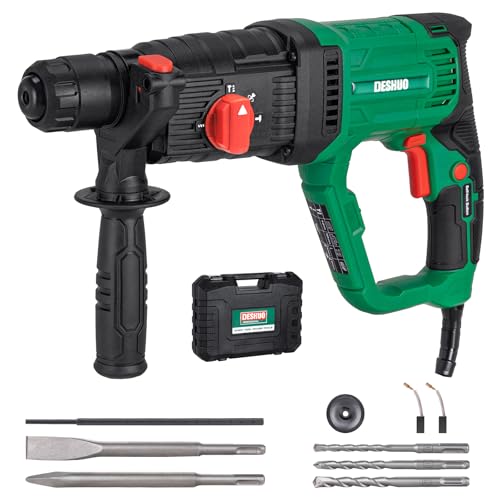
This 9 Amp rotary hammer uses SDS-Plus bits for fast bit changes and strong impact energy. Best for overhead or downward drilling where concrete, brick, and masonry work. The tool delivers 0-1,100 RPM and 0-5,300 BPM with 2.21 ft-lbs (3 Joules) of impact energy. The weight is about 7.19 lbs, making it relatively easy to maneuver. Best for buyers who need a lightweight SDS-Plus option and a complete kit including bits and chisels. Note: Only compatible with SDS-Plus bits.
Best for: contractors or DIYers who want a compact, SDS-Plus rotary hammer with solid impact for concrete and masonry. Choose this if you value quick bit changes and lower fatigue in overhead tasks. Caution: not compatible with SDS-Max or non-SDS-Plus bits.
Skil 7.5 Amp 1/2-in Corded Hammer Drill HD182002
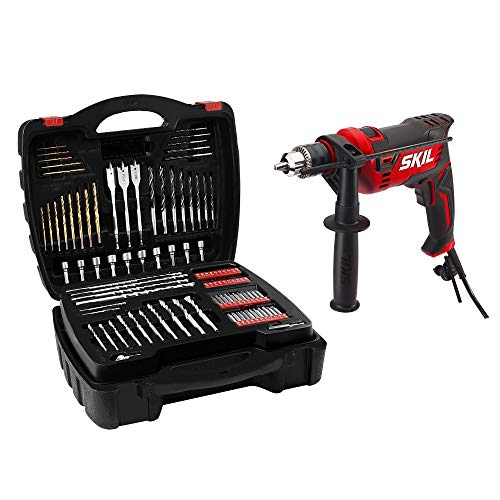
With a 7.5 Amp motor, this model emphasizes versatility for tightening screws, drilling wood, metal, and even concrete. Its 1/2″ heavy-duty keyed chuck supports larger bits for demanding tasks. Best for general DIY projects that require a single tool for multiple materials. Caution: while versatile, it may be less ideal for heavy-duty continuous concrete drilling compared to SDS-plus or larger rotary hammers.
Best for: homeowners and DIY enthusiasts needing a budget-friendly, all-around hammer drill for wood and masonry. Better for: projects that require flexible bit sizes. Avoid this if you need specialized SDS-Plus performance for deep concrete work.
GALAX PRO 4.5Amp 0-3000RPM Hammer Drill

This 4.5 Amp model blends hammer and drill functions with 12 adjustable speeds. A 1/2″ keyed metal chuck ensures durability for larger bits, making it suitable for drilling into wood, masonry, steel, and concrete. Best for: users who want a compact 2-in-1 tool with a broad speed range for different materials. Limitation: lower motor power compared to 7.5 Amp models, so heavy-duty concrete drilling may be slower.
Best for: hobbyists and light professionals who need adjustable speed ranges and easy handling. Better for: tasks that require quick function switching between hammering and drilling. Avoid this if you need the utmost power for frequent deep concrete drilling.
DOVAMAN 1-9/16″ SDS Rotary Hammer Drill

Equipped with a 12.5 Amp motor and four functions, this heavy-duty rotary hammer handles large-diameter bores and tough materials. It features an SDS-Plus chuck for easy bit changes, an adjustable chisel angle, and vibration damping to reduce fatigue. Best for: professionals tackling large concrete or masonry projects. Caution: higher weight and power mean it requires more control and safety awareness during use.
Best for: pro-grade users who need high impact energy and multiple modes. Better for: heavy-duty concrete drilling and chiseling. Avoid this if you primarily perform small, light-duty tasks or require a lighter tool.
BOSCH 11255VSR Bulldog Xtreme

The Bulldog Xtreme offers three modes (rotation-only, rotary hammer, hammer-only) and a variable speed trigger with reverse. It emphasizes vibration control and a D-handle design for comfortable, controlled use, especially in overhead or downward drilling. Best for: pros who need precise bit starting, flexible operation modes, and ergonomic control. Limitation: as a corded tool, it requires access to power and can be heavier for long sessions.
Best for: professionals performing varied concrete drilling tasks with quick mode changes. Better for: precise bit control and ergonomic handling. Avoid this if you need ultra-lightweight equipment or cordless convenience.
Buying Guide
What power level do you need?
For light to medium projects, 4.5–7.5 Amp drills cover most woodworking, metalworking, and brick tasks. For heavy-duty concrete or chiseling, SDS-Plus or 12–12.5 Amp models deliver higher impact energy and faster progress.
Is SDS-Plus compatibility important?
Several models in this list use SDS-Plus bits, which offer tool-free bit changes and robust energy transfer. Verify bit compatibility before buying if you already own accessories.
Corded vs cordless considerations
Corded drills provide consistent power and are ideal for continuous drilling. Cordless options offer portability but require battery management. This guide focuses on corded models for reliability in demanding tasks.
Functionality and modes
Look for 2-in-1 or 3-function drills (drill, hammer, and rotation) for versatility. A separate hammer-only or drill-only mode is beneficial for specific tasks like chiseling or fastener removal.
Ergonomics and vibration
Rotation speed, vibration damping, and handle design influence comfort and fatigue. Tools with rubberized grips and vibration control help maintain accuracy during extended sessions.
Bit chuck and bit availability
A 1/2″ or larger keyed chuck supports bigger bits for tougher jobs. SDS-Plus compatibility is a common standard for robust masonry drilling.
Safety and handling
Consider safety features such as clutch mechanisms, vibration control, and a balanced design to reduce user fatigue and minimize injury during overhead use or long projects.
What about accessories?
Many models come with a kit of drill bits and chisels. If you don’t see included bits you need, check the accessory compatibility and whether you’ll purchase an extended bit set separately.
FAQ
- What is a variable speed hammer drill good for? It provides control for drilling into wood, metal, and masonry with hammering action for concrete, improving precision and efficiency.
- Are SDS-Plus drills better for concrete? Yes, SDS-Plus offers quick bit changes and efficient energy transfer for concrete and masonry work.
- Is a higher amperage drill always better? Higher amperage offers more power, but suitability depends on the task and tool weight. For overhead or precise work, balance power with control.
- Do I need a dedicated hammer drill for masonry? For heavy masonry tasks, a hammer drill or rotary hammer with appropriate bit system is often preferable to a standard drill.
- Can I use regular drill bits in a hammer drill? Only if the drill is designed to accept them. Many hammer drills require masonry bits or SDS-Plus bits for best results.
- Is vibration a concern with hammer drills? Yes, vibration can cause fatigue. Look for models with vibration damping and ergonomic handles.