Finding buried utilities safely and efficiently requires a reliable locator with strong accuracy, depth range, and resistance to interference. This guide showcases five top options designed for American professionals and DIYers who need to locate electrical lines, water pipes, gas lines, and telecom cables. Each entry includes key features, typical use cases, and practical considerations to help you compare performance and value.
Summary of selected products
| Product | Brand | Typical Use | Depth / Range |
|---|---|---|---|
| TEMPO 551 Advanced Underground Utility Locator | TEMPO | Electrical lines, telecom cables, irrigation wires | Up to 20 ft (6 m); over 1 mile (1.6 km) |
| TEMPO Communications 501 Tracker II | TEMPO | Buried wires and metallic pipes, outdoor installations | 4,000 ft (1.2 km); up to 7 ft (2.2 m) depth |
| 6014157 Leica DD130 Underground Locator | Leica | Power, water, gas, and cable lines | 512 Hz – 640 Hz low-frequency range |
| NOYAFA NF-826 Underground Cable Locator | NOYAFA | Wires, pipes, fences, and irrigation | Up to 2000 ft length; 3–4 ft depth |
| RIDGID NaviTrack Scout Locator | RIDGID | Sonde and line locating, multi-directional signals | Mobile with multiple mode frequencies |
TEMPO 551 Advanced Underground Utility Locator

The TEMPO 551 is a professional-grade underground wire locator designed for high-accuracy work in challenging environments. It supports dual-frequency transmission and IntelliTrack digital filtering to minimize AC interference, enabling precise readings over long distances and to substantial depths. The device offers peak and null receiver modes, which helps technicians tailor searches to complex buried layouts, such as congested utility corridors. This makes it suitable for utility crews, irrigation installers, and telecom contractors who need dependable performance in the field.
TEMPO Communications 501 Tracker II Underground Locator

The 501 Tracker II focuses on accurate tracing of buried conductors with practical depth and distance benchmarks. It can quickly isolate and trace electrical lines, telecom cables, and metallic pipes across substantial terrains, including outdoor landscapes and fenced areas. The unit supports inductive signal detection suitable for both active and dead systems, helping users determine the path and depth of buried utilities while saving time on dig-ready projects.
6014157 Leica DD130 Underground Locator

The Leica DD130 adds a turnkey package with extended trace capability and low-frequency options for challenging ground conditions. The kit includes a signal transmitter and a carrying bag, creating a complete solution for locating power, water, gas, and cable lines. Its 512 Hz–640 Hz range broadens detection ability, making it a strong choice for professionals who need flexible frequency coverage and reliable target indication in urban and suburban environments.
NOYAFA NF-826 Underground Cable Locator

The NF-826 is designed for versatility and user-friendly operation. It supports locating buried cables and pipelines, including dog fence wires and irrigation lines. Features include automatic and manual frequency sweeping, a mute mode, backlight, and a long transmitter-to-receiver range. The device is suitable for homeowners and contractors who need a portable, adjustable locator capable of identifying faults and tracing routes without extensive digging.
RIDGID NaviTrack Scout Locator
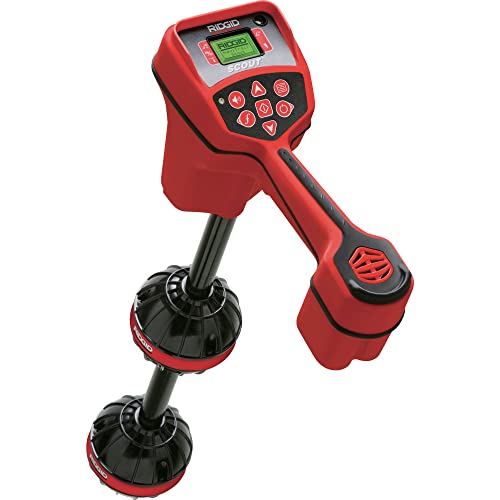
The NaviTrack Scout is a compact, multi-directional locator that emphasizes rapid detection and ease of use. It supports directional tracing with multiple modes to maximize signal clarity and minimize false peaks. The handheld unit is well-suited for see-through applications with other RIDGID tools, such as sondes or SeeSnake equipment, enabling integrated workflows for precise underground location tasks.
Buying Guide: Key Considerations for Choosing an Underground Utility Locator
- Depth and range requirements: Consider the typical depths you encounter and the maximum tracer distance needed on your work sites. Some models emphasize long-range tracing, others prioritize depth accuracy for smaller projects.
- Frequency options and filtering: Dual-frequency or multi-frequency options help combat ambient interference. Look for digital filtering or IntelliTrack-style noise rejection to improve signal clarity in noisy environments.
- Mode and interface: Peak/null modes, LCD readability, and ease of use matter for field reliability. A clear display and intuitive controls reduce setup time on busy jobs.
- Transmitter and receiver synergy: A complete system often yields better performance. Transmitter power, compatibility with added sondes or pest networks, and modularity can affect long-term value.
- Portability and build quality: IP ratings, rugged housings, battery life, and weight influence how effectively a locator performs in outdoor conditions and on multi-site projects.
- Ground conditions and materials: Some locators perform better in damp soil, rocky substrates, or urban clutter. Consider frequency choices that suit ground mineralization and pipe materials you expect to encounter.
- After-sales support and accessories: Availability of spare parts, service options, and complementary accessories (like transmitters, receivers, or additional sondes) can impact long-term use and total cost of ownership.
- Regulatory and safety considerations: For utility work, ensure the device complies with relevant standards and supports safe excavation practices when dealing with live lines.
When selecting an underground utility locator, align product capabilities with typical site conditions, required depth, and frequency management. A versatile model with robust noise rejection and clear readouts is generally the most reliable choice for consistent results across different environments. Pro users may prioritize extended depth, while DIY projects benefit from simplified operation and portability.