The right rip fence system can transform a standard table saw into a precise, repeatable cutting machine. This guide covers five top contenders that bow to different saws, setups, and shop needs—from dedicated fence kits to extendable add-ons. Explore how each system handles accuracy, installation, and practical woodshop workflow so you can choose the best fence for your table saw.
| Product | Brand | Key Benefit |
|---|---|---|
| Delta, 36-T30T3, 30 in. DELTA® T3 Fence System | Delta | Three-point locking and alignment accuracy |
| Woodpeckers Auxiliary Rip Fence, 36 Inch Job Site | Woodpeckers | Universal footprint for compact machines |
| Professional T-Glide Advance Rip Fence | SawStop | Safe repeatable crosscuts with feather board compatibility |
| BOW XT XTENDER Fence | BOW Products | Modular, multi-slot, attaches to various fences |
| Woodpeckers Rip-Flip Fence Stop System | Woodpeckers | Flip-stop accuracy for SawStop T-Glide fences |
Delta 36-T30T3 DELTA® T3 Fence System
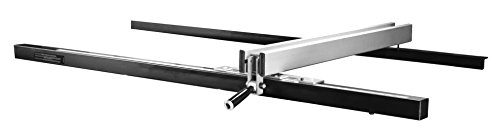
The Delta T3 Fence System is designed for Delta table saws, featuring a one-piece square tubular rail for rigidity and a three-point locking system to maintain parallelism to the blade with a repeatable accuracy of within 1/64 inch (0.4 mm). The fence length is 37 inches with a rail length of 57-1/2 inches, and the fence height is 2-1/2 inches. It provides a robust setup for rip cuts to the left and right of the blade (up to 13-1/2 inches left and 30 inches right). The kit includes front and rear support rails, a steel guide tube with scale, mounting hardware, and the locking mechanism to keep precise alignment. Ideal for shop environments where a durable, factory-aligned fence is essential for repeated, tight tolerances.
Key features include a twin hairline pointer system to ensure the fence remains square to the blade, and mounting hardware specifically tailored for Delta table saw configurations. This fence system is well-suited for users who require sturdy, shop-grade accuracy and a longer right-side rip capacity, enabling wider stock processing without remeasuring each cut.
Woodpeckers Auxiliary Rip Fence, 36 Inch

The Woodpeckers ARF-BSCS 36-inch auxiliary rip fence is designed as a compact extension for job-site table saws. It offers 3-1/2 inches of height and built-in T-track slots, with 7 inches of material support. The system includes two sliding clamping blocks and a precise 2-inch fence and clamping block thickness measurement. Made in the USA, it’s sized for smaller machines and is described as quick to install without modifying your existing fence—using standard track clamps (not included). This fence is especially useful for portable saws, bandsaws, and router tables that need a stable, repeatable third party fence option.
SawStop Professional T-Glide Advance Rip Fence

The Professional T-Glide Advance Rip Fence from SawStop is designed to work with the SawStop PCS and CNS saws, integrating seamlessly with the brand’s ecosystem. The fence is built to accept feather boards, sacrificial fences, and other accessories via a dovetail-shaped slot, ensuring quick and secure attachment. A key benefit is the ability to slide the fence face forward of the blade for safe, repeatable crosscuts and reduced offcut pinching or kickback. This fence emphasizes safety and precision, aligning with SawStop’s safety-centric design philosophy and offering dependable performance for professional workshops that require consistent, accurate results across repeated cuts.
BOW XT XTENDER Fence

The XT XTENDER Fence by BOW Products is a versatile add-on fence that extends table surface area and provides multiple T-slots for accessories. Standing five inches tall, it includes three T-slots on the top for feed-control attachments and a specialized slot to add BOW Feed Supports. It’s compatible with Delta UniFence and Harvey fences, offering a modular approach to extending smaller or portable saw surfaces. The anodized aluminum extrusion provides durability while maintaining a relatively light footprint. This fence is ideal for users who want to expand working area for longer rip cuts and improved control on compact or portable saws.
Woodpeckers Rip-Flip Fence Stop System

The Woodpeckers Rip-Flip Fence Stop System is designed for SawStop T-Glide fences, providing 36 inches of capacity with repeatable flip-stop accuracy. The system integrates with existing rails without altering alignment and includes anodized aluminum track, two Rip-Flip Stops, brackets, hardware, and a dado coupling pin. This setup allows precise stop positioning along the rail, enabling safe, repeatable cuts with right, left, or coupled stops. It’s particularly advantageous for users who frequently perform repetitive fixed-width cuts and need a reliable stop system that does not disrupt the fence’s alignment.
Buying Guide: Key Considerations For Selecting A Rip Fence System
- Compatibility with your saw: Check whether the fence is designed for your blade type, fence rail, and whether it attaches to the existing fence or requires a separate mounting system.
- Maximum rip capacity: Evaluate how far left and right you can rip stock relative to the blade, and ensure it matches your typical projects (lumber widths, sheet goods, etc.).
- Rail rigidity and consistency: Look for solid construction (steel or thick aluminum), lock mechanics, and a track or rail system that minimizes deflection and maintains parallelism.
- Ease of installation and removal: Consider whether you prefer a permanent fence upgrade or a modular add-on that can be swapped between machines or stowed when not in use.
- Safety features: Prioritize fences that facilitate safe crosscuts, provide clear scale readings, and integrate with existing feather boards or anti-kickback devices.
- Accessory ecosystem: Some brands offer additional blocks, clamps, or flip-stops that can improve repeatability and control for advanced joinery or production work.
- Size and footprint: Larger fences may deliver more stability but require more shop space; smaller fences suit portable or compact saws but may sacrifice some capacity.
- Brand ecosystem and support: A fence that works within an established system (like SawStop or Delta) often benefits from better compatibility with related jigs and accessories and more robust customer support.
- Budget and value: Weigh the cost of the fence against its precision features, longevity, and how often you will use it for high-precision tasks versus occasional ripping.
Additional Considerations: Perspectives and Shop Scenarios
For hobbyists with a portable job site saw, a compact auxiliary fence (like Woodpeckers ARF-BSCS) can offer significant value without overwhelming the machine’s footprint. For professional workshops that demand repeatable crosscuts and high precision, a dedicated full-width fence like the Delta T3 or the SawStop T-Glide system may be worth the investment for long-term consistency and safety. If you frequently work with limited space or want to extend your fence capabilities without upgrading your whole fence, modular options like the BOW XTENDER provide a flexible path to expand surface area and control. For users who rely on precise stop positioning, the Woodpeckers Rip-Flip system adds a repeatable stop mechanism that integrates with existing rails without disturbing alignment.
When evaluating options, consider how each fence integrates with your current jigs, feather boards, and crosscut sleds. A fence that offers quick attachment, robust locking, and clear scale readings will generally reduce setup time and improve cut accuracy over the long term. Finally, prioritize fences with solid manufacturer support and documentation to ensure compatibility with future upgrades or accessories.
Conclusion: Practical Choices For Different Shops
Choosing the best table saw rip fence system depends on your saw model, workspace, and the kinds of cuts you perform most often. Whether you need maximum right-side rip capacity, a compact unit for job sites, or an advanced T-Glide setup that enhances safety and repeatability, there are dependable options from Delta, Woodpeckers, SawStop, BOW Products, and other respected brands. By focusing on compatibility, rigidity, ease of use, and accessory ecosystems, you can select a system that improves accuracy and workflow for years of woodshop projects.