Sanding metal requires tools that provide steady power, precise control, and durable construction. This guide highlights five dependable belt and disc sanders that excel in metalworking, offering versatile belts and discs, solid bases, and thoughtful features to reduce vibration and improve accuracy. Each choice is evaluated for performance, ease of use, and suitability for common metal projects—from deburring and edge rounding to finishing and polishing.
| Product | Brand | Key Feature | Format |
|---|---|---|---|
| WEN Benchtop Belt And Disc Sander 6502T | WEN | 4×36 belt, 6×6 disc, cast iron base | Combination |
| 3M Random Orbital Sander 20317 | 3M | 0.28 HP pneumatic power, smooth operation | Pneumatic |
| Bucktool Pro 1HP BD4801-M | Bucktool | 1 HP direct-drive, dual belt/8” disc, heavy-duty | Benchtop |
| Astro Pneumatic 3037 | Astro Pneumatic Tool | 1/2″ x 18″ belt, 3 belts included | Air Belt Sander |
| SKIL 5” Random Orbital Sander SR211601 | Skil | 13,000 OPM, cyclone dust box | Orbital |
WEN 6502T Benchtop Belt and Disc Sander
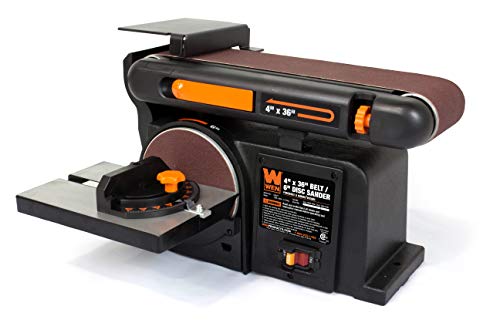
The WEN 6502T combines belt and disc sanding in one sturdy unit, designed for metalwork and other heavy-duty tasks. It features a 4-by-36 inch belt and a 6-by-6 inch disc, providing ample surface for deburring, edge shaping, and finish work on metal components. The belt tilts from 0 to 90 degrees, enabling precise beveling and contouring. A cast iron base minimizes vibrations for steadier control during heavy material removal. The dual-function design helps streamline shop workflows by replacing multiple standalone tools.
3M Random Orbital Sander 20317
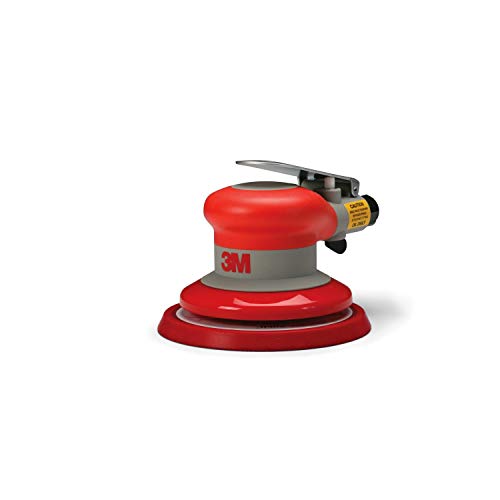
The 3M 20317 optimized for metal and composite work combines pneumatic power with a smooth, balanced operation. Its 0.28 HP motor delivers consistent sanding performance, ideal for finer metal finishing and surface preparation. The tool’s pneumatic design minimizes heat generation during extended use, offering reliable, long-duration performance. The Stikit disc pad ensures quick changes and stable disc alignment, helping to maintain uniform results across curved and flat surfaces alike. This sander excels in shops that prioritize noise reduction and a comfortable grip during prolonged sessions.
Bucktool BD4801-M Pro Belt Sander

The Bucktool BD4801-M is a 4×36 inch belt sander with an 8-inch disc, designed for metalworking. It uses a 1 HP direct-drive motor for steady, consistent power, and the belt tension is adjustable to accommodate different belt types and wear levels. The machine includes a sturdy cast aluminum base with rubber feet to reduce vibrations, and a dust port that can be removed to expand the work area for longer pieces. This model emphasizes efficient material removal with a compact footprint, suitable for shop benches and small fabrication spaces.
Astro Pneumatic 3037 Air Belt Sander
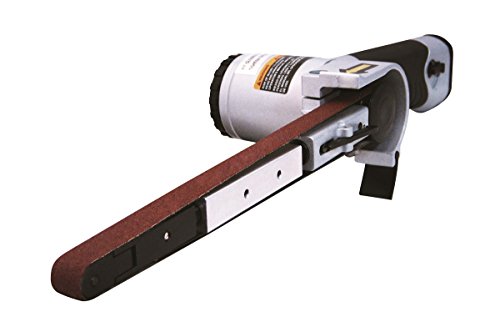
The Astro 3037 is a compact air-powered belt sander that accepts 1/2″ x 18″ belts and ships with three belt sizes (#36, #40, and #60). It’s well-suited for spot weld removal, deburring, and finishing tasks on metal surfaces that require precise material removal without introducing heat from electric motors. A simple belt tension lever makes changes quick, and the sander’s variable-space pulley design accommodates different belt widths and thicknesses. The pneumatic power source provides predictable performance in small to mid-sized fabrication projects.
SKIL SR211601 5” Random Orbital Sander

The SKIL SR211601 delivers 13,000 OPM with a 2.8-amp motor for robust performance across metal, wood, and composites. Its cyclonic, easy-to-empty dust box helps maintain clear visibility during sanding, and the variable speed control lets operators dial in the right amount of aggressiveness for different materials and finishes. While primarily marketed for wood, its solid build and dust management make it a reliable option for light to moderate metal finishing tasks where fast, consistent results are required.
Bucktool Combo 2″ x 42″ Belt Sander with 6″ Bench Grinder
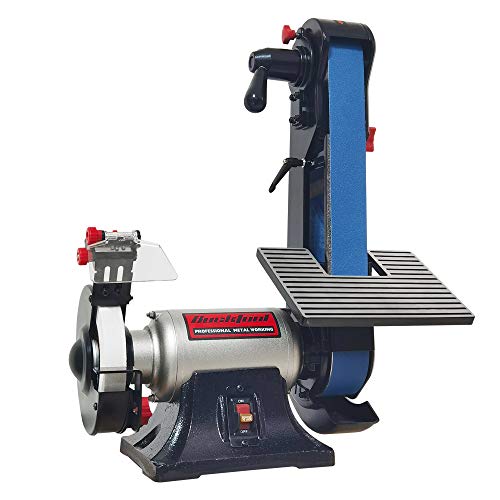
Expanding metalworking versatility, this Bucktool combo includes a 2″ x 42″ belt sander and a 6″ bench grinder with a large work table. The machine uses a 1/2 HP induction motor and 3.5 Amp rating for steady performance. Belt speed reaches up to 4480 FPM, supporting efficient material removal, deburring, and shaping on metal and other materials. The belt tilt feature (0 to 90 degrees) expands sanding opportunities for complex angles and long pieces, while the robust construction aims to improve durability and reduce vibration during operation.
Buying Guide: Key Considerations For Choosing A Metal Sanding System
- Power and drive type: For metal, look for belt sanders with robust motors or reliable pneumatic or air-powered options. Direct-drive motors tend to deliver consistent torque, while pneumatic tools offer smooth, cool operation for extended use.
- Belt and disc configurations: A combo machine with both belt and disc capabilities covers deburring, edge work, and finishing. The belt size (width and length) affects material removal rates and reach, while the disc size influences finish quality on flat or curved surfaces.
- Base stability: Cast iron or heavy-duty steel bases reduce vibration and improve accuracy. A stable base is essential when removing material near tight tolerances or finishing delicate features.
- Belt tilting and geometry: Adjustable belt tilt (0–90 degrees) enables beveling and edge finishing on complex shapes. A swiveling belt housing can help with long or oddly shaped workpieces.
- Dust management: Effective dust collection reduces health risks and keeps the work area cleaner. Look for machines with integrated or easily attachable dust ports and efficient dust boxes.
- Ease of belt changes and maintenance: Quick-change belts and accessible tension adjustments save time during multi-step projects. Durable belts and easy alignment reduce downtime.
- Size and footprint: Match the machine’s dimensions to your workspace. Benchtop units fit small shops, while larger combos suit dedicated fabrication areas.
- Intended material: For metal finishing, prioritize models with higher torque or RPM control, stable frames, and materials that resist heat buildup during grinding or deburring.
- Accessories and replacements: Availability of belts, discs, and replacement parts can affect long-term value and uptime. Check compatibility with common belt sizes and disc diameters.
In evaluating these options, consider your typical metalworking tasks: deburring edges, beveling joints, surface finishing, and long-piece polishing. A dual-function sander with a sturdy base offers versatility and efficiency, while pneumatic models excel in continuous-use environments where overheating might be a concern.