Finding a reciprocating saw that balances power, weight, and practicality can streamline many renovation projects. This guide highlights five top-rated options, spanning cordless and corded designs, to help American buyers compare performance, ergonomics, and value. Each entry includes key features and a direct link to Amazon for quick viewing.
| Product | Brand | Key Strength |
|---|---|---|
| Dewalt 20V Max Reciprocating Saw (DCS380B) | DEWALT | Compact, quick blade changes |
| Dewalt Atomic 20V Max Reciprocating Saw (DCS369B) | DEWALT | One-handed operation, brushless motor |
| Dewalt 20V Max Cordless Reciprocating Saw (DCS387B) | DEWALT | Flush cutting, tool-free blade changes |
| DEWALT Corded Reciprocating Saw (DWE305) | DEWALT | Heavy-duty power, 4-position blade clamp |
| BLACK+DECKER 20V Max Cordless Reciprocating Saw Kit (BDCR20C) | BLACK+DECKER | Tool-free blade change, versatile control |
DEWALT 20V MAX Reciprocating Saw (DCS380B)

The DCS380B is a bare-tool option designed for users who already own compatible 20V MAX batteries. It features a variable speed trigger and a robust build that supports a range of cutting tasks. The tool’s compact form helps operators maneuver in tight spaces, such as between studs or in small retrofit cavities. While it emphasizes quick blade changes and reliable power delivery, users should pair it with compatible DEWALT batteries and accessories for optimal performance.
DEWALT ATOMIC 20V MAX Reciprocating Saw (DCS369B)

The DCS369B brings a brushless motor to a compact, lightweight package. Its one-handed operation design supports easier control on overhead or restrictive sites, while maintaining solid cutting performance. With a lighter frame, this model is often favored by electricians and remodelers who move quickly between tasks. The brushless motor helps maximize runtime and durability in demanding projects.
DEWALT 20V MAX Cordless Reciprocating Saw (DCS387B)
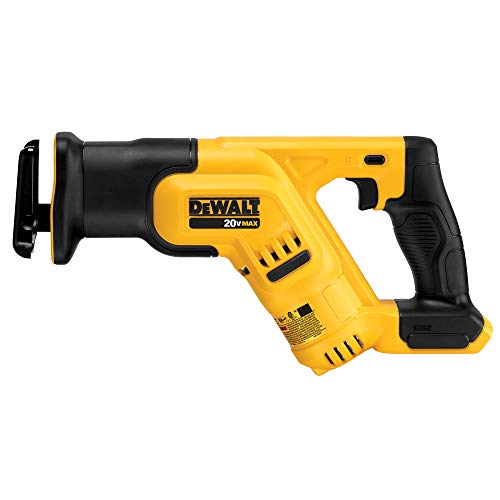
With a compact 14-inch overall length, the DCS387B excels in tight spaces and between joists. It features a 4-position blade clamp that enables flush cuts and precise blade positioning, along with a 1-1/8-inch stroke to speed up material removal. The tool-free blade changes reduce downtime on site, making it a practical choice for pros and DIYers who value versatility and speed.
DEWALT Reciprocating Saw (DWE305)

The corded DWE305 delivers steady power with a reliable 12-amp motor, suitable for heavy-duty cutting in wood, metal, and plastic. Its 4-position blade clamp supports flush cutting and better control in complex layouts. The lever-action blade clamp enables quick changes, which helps minimize downtime on longer projects where multiple blade types are needed.
BLACK+DECKER 20V Max Cordless Reciprocating Saw Kit (BDCR20C)

The BDCR20C kit blends a cordless design with tool-free blade changes and a pivoting shoe for enhanced control. The variable speed trigger lets users adjust cutting aggressiveness, which is especially useful for pruning, demolition, and trimming tasks. This model is a popular option for homeowners who want reliable performance and flexibility without a cord.
Skil 9206-02 7.5-Amp Reciprocating Saw
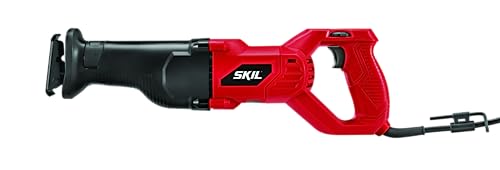
The Skil 9206-02 offers a robust 7.5-amp motor with tool-less blade changes and a rugged metal gear housing. While not part of DEWALT’s line, this model is frequently chosen by budget-conscious buyers who still require dependable performance on remodeling or carpentry tasks. It balances power and durability with a price point that appeals to DIY enthusiasts.
Buying Guide: How to Choose the Right Reciprocating Saw
Power source and motor type matter. Corded saws deliver continuous power ideal for heavy-duty tasks, while cordless models offer portability and cleaner job sites. Brushless motors typically provide longer runtime and durability, especially in professional settings. Consider blade changes: tool-free clamps save time on project sites, whereas quick-change mechanisms are beneficial for users who switch blades often.
Stroke length and speed influence cut speed and material compatibility. Longer strokes can cut faster in wood, while shorter, more controlled strokes help when working near delicate finishes or in tighter spaces. Weight and balance affect user fatigue; a lighter tool with a comfortable grip is advantageous for overhead or prolonged use. Compatibility with accessories and batteries in your existing toolkit is also a practical consideration.
Versatility matters for mixed tasks. Some models include adjustable shoe positions or multiple blade clamps to enable flush cuts or deep cuts in confined areas. Consider kit contents: some packages include batteries, chargers, and multiple blades, which enhances upfront value and readiness for immediate use after purchase.
Durability and warranty are important for long-term use. Look for models with reinforced housings and reputable warranty coverage. Finally, assess user reviews for real-world performance, including blade life, vibration, and battery efficiency in your typical work environment.
Product Comparison At a Glance
- Best overall cordless versatility: DCS387B
- Compact for tight spaces: DCS369B
- Heavy-duty corded option: DWE305
- Budget-friendly cordless kit: BDCR20C
- Classic robust performance: DCS380B
These selections illustrate how modern reciprocating saws balance power, weight, and ease of use. When choosing, align features with your typical applications—whether demolition, plumbing, electrical rough-ins, or carpentry—so you pick a model that reliably handles your workload.