Choosing the right random orbit sander can dramatically reduce finishing time and improve results on wood projects. The models below balance power, dust collection, and vibration control to help both hobbyists and professionals achieve swirl-free surfaces. Each pick is well-suited for common tasks like finish sanding, stock removal, and detail work, with features designed to reduce fatigue and improve accuracy over longer sessions.
| Product | Brand | Notable Feature |
|---|---|---|
| DEWALT DWE6423 | DEWALT | 8,000–12,000 OPM; vibration-reducing counterweight |
| SKIL SR211601 | Skil | 13,000 OPM; cyclonic dust box; variable speed |
| BOSCH GET75-6N | BOSCH | Dual-mode with turbo; multi-hole pad system |
| Milwaukee 2648-20 M18 | Milwaukee | Part of M18 system; user-friendly performance |
| WORKPRO 5-Inch | WORKPRO | Six speeds; dust collector; 2.5A motor |
Below are five carefully chosen models that cover a range of use cases—from light restoration to heavy prep—while highlighting practical features like dust management and vibration control. Each entry includes a direct link to the product page for quick comparison and shopping convenience.
DEWALT Random Orbit Sander DWE6423

The DEWALT DWE6423 offers a 3-amp motor that spins the pad at 8,000 to 12,000 OPM, delivering solid performance for finish sanding and light stock removal. A separate counterweight design minimizes vibration, helping maintain control during extended sessions. An improved dust-sealed switch protects the mechanism from dust intrusion, potentially extending switch life in dusty shop environments. This sander is well-suited for wood projects where a smooth finish and reliable dust management are priorities.
SKIL SR211601 5” Random Orbital Sander

The SKIL SR211601 provides a robust 13,000 OPM for fast material removal and a cyclonic dust box designed to collect debris efficiently. Variable speed control helps tailor performance to different materials, reducing the risk of gouging or oversanding. The combination of power, dust management, and ease of cleaning makes it a strong all-purpose choice for quick work on various wooden surfaces.
BOSCH GET75-6N Electric Orbital Sander
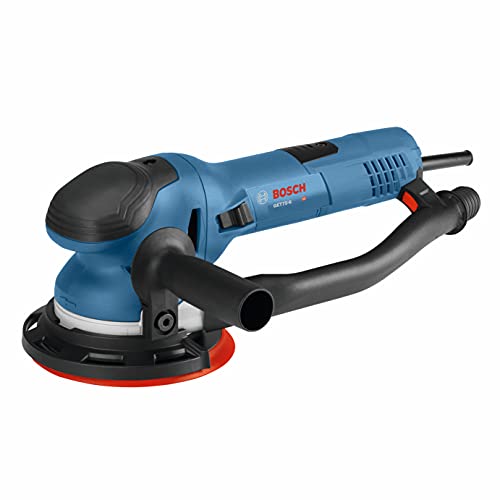
The BOSCH GET75-6N combines a multi-hole pad system with a dual-mode operation: random orbit for general stock removal and a turbo-driven eccentric orbit for aggressive material removal. The dual-mode design makes it a flexible option for projects requiring both finishing and rapid material removal, with the turbo mode offering a higher stock-removal rate than standard random orbit sanding. This model suits users who want versatility in a single tool.
Milwaukee 2648-20 M18 Random Orbit Sander

The Milwaukee 2648-20 M18 Random Orbit Sander is designed for ease of use within the Milwaukee M18 platform. It emphasizes straightforward operation and reliability, appealing to users already invested in the M18 battery ecosystem. While the description highlights user-friendly performance, the tool is well-regarded for its balance of control and endurance in typical sanding tasks.
WORKPRO 5-Inch Random Orbit Sander

The WORKPRO sander features six speeds ranging from 7,000 to 14,000 OPM and a 2.5-amp motor, making it a versatile option for multiple materials and finishes. The built-in dust collector helps keep the work area cleaner, and the six-speed control allows precise matching to the task, reducing the chance of oversanding delicate surfaces while still delivering solid material removal when needed.
Buying Guide: Key Considerations for Random Orbit Sanders
- Orbits per minute (OPM) and speed control: Higher OPM enables faster material removal, but finishing often benefits from lower speeds. Look for variable speed control to adapt to different materials and finishes.
- Pad design and dust management: A multi-hole or random pad system improves dust extraction and finish quality. A capable dust collection port or bag keeps the workspace cleaner and can extend tool life.
- Vibration reduction: A counterweight or dampening system reduces user fatigue and improves control, especially on large or prolonged projects.
- Ergonomics and weight: Lighter models reduce fatigue, while balanced designs help maintain precision during extended sessions. Consider handle shape and trigger accessibility for comfort.
- Power source and battery life (for cordless models): If choosing a cordless option, ensure compatibility with your existing battery platform and consider runtime for typical projects.
- Dust containment and filter options: Some models include cyclonic dust boxes or micro-filter bags. Easy-empty dust containers save time and keep the workspace tidy.
- Maintenance and durability: A robust switch seal and quality switch hardware help prevent dust-related failures. Look for reputable brands with proven track records.
When selecting a model, consider the typical scope of your projects, the level of finish required, and whether you prefer a dedicated dust-collection system or a simple bag. For beginners, a model with solid vibration control, adequate speed range, and reliable dust management is often the most effective combination. For professionals, modularity, battery compatibility (if cordless), and performance in turbo or high-speed modes may take precedence.