The top picks below answer what buyers want: powerful, noise-controlled powder actuated tools for fastening to concrete, steel, or masonry. These options suit professional contractors, remodelers, and seasoned DIY enthusiasts who work with concrete and steel substrates and need reliable drive power and manageable recoil. The table at a glance highlights the five best-suited models from the listed options.
| Product | Best For | Notes |
|---|---|---|
| ITW BRANDS 40088 .22 Caliber Fastener Tool | Pro-grade fastening, small to medium jobs | Low-velocity, ergonomic ejector |
| ITW Ramset 00022 HammerShot | Light-duty projects, remodeling | Compact, low weight |
| FVSCM FV-396 | Concrete and steel anchor work | Silencer, adjustable load strength |
| FVSCM FV-701 | Semi-automatic fastening, 2x4s | Built-in power indicator, silent operation |
| FVSCM FV-308 | Budget-conscious fastening | Single-shot, adjustable penetration |
ITW BRANDS 40088 .22 Caliber Fastener Tool
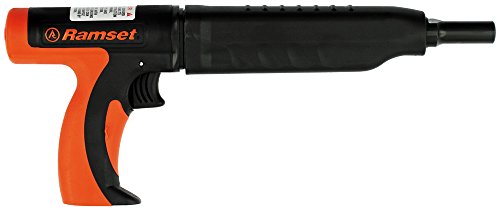
Best for: professional installers who need consistent, single-shot fastening for concrete, masonry, or steel. This tool emphasizes power with low velocity to reduce damage while delivering reliable results. It features a silencing handle to minimize job-site noise and an ergonomic ejection slide for safer, quicker reloads.
Why chosen: The 40088 model aligns with professional workflows requiring dependable, controlled drive strength in a compact package. It avoids excessive noise and promotes efficient operation on typical interior installs or small-scale exterior projects.
Caution: Being a powder-actuated tool, it requires proper training and adherence to safety protocols, including personal protective equipment and correct fastener selection for base materials.
ITW Ramset 00022 HammerShot

Best for: light-duty projects such as small room additions and basement remodels. This low-velocity piston-type fastening tool is designed for straightforward, controlled fastening tasks with Ramset 0.22 caliber loads.
Why chosen: It offers a compact option for smaller jobs, providing adequate drive for standard 2×4 framing or similar anchors while keeping recoil and noise in check.
Caution: It’s best suited for lighter fastening loads; for high-demand or larger structural work, a higher-capacity tool may be more efficient.
FVSCM FV-396 Low Velocity Tool (.22 cal) With Silencer

Best for: fastening 2x4s, furring strips, and electrical boxes to concrete or steel. The single-shot, low-velocity design with a silencer helps reduce noise on busy sites and offers stable control over penetration depth.
Why chosen: The adjustable load strength supports multiple project requirements, and the tool’s compatibility with common fastener drivers makes it versatile for various installation tasks.
Caution: The performance depends on the correct load and driver pins; misalignment or incorrect pin type can hinder penetration or accuracy.
FVSCM FV-701 Semi-Automatic Tool (.27 cal) With Silencer
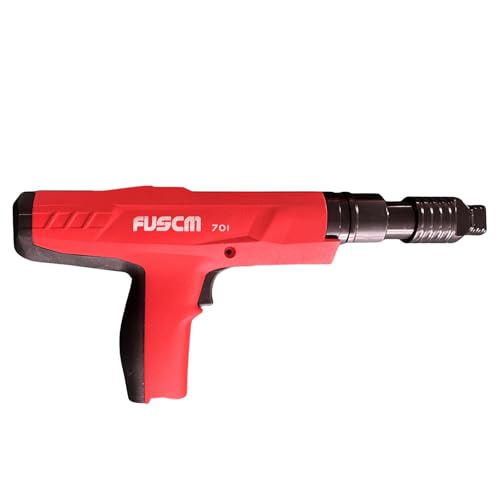
Best for: semi-automatic fastening of 2x4s, furring strips, and electrical boxes to concrete and steel. The built-in power indicator helps monitor drive performance while maintaining reduced noise via a silencer.
Why chosen: The FV-701 gives operators more control with adjustable load strength, making it suitable for varied substrates and penetration needs without sacrificing speed.
Caution: Semi-automatic operations can require more careful handling to prevent misfires; ensure proper maintenance and cleaning after use.
FVSCM FV-308 Semi-Aut. Tool (.27 cal) With Indicator

Best for: budget-conscious buyers who need reliable fastening for 2x4s, furring strips, and electrical boxes. The FV-308 provides a single-shot, low-velocity option with a load strength indicator.
Why chosen: It offers practical value without compromising essential features like adjustable penetration and compatibility with common fasteners, making it useful for ongoing remodeling work.
Caution: As with other powder-actuated tools, correct load choice and material compatibility are critical to achieving the desired depth and avoid substrate damage.
Buying Guide: Powder Actuated Nail Guns
What is a powder actuated nail gun?
A powder actuated nail gun drives specialized fasteners into concrete, steel, or masonry using a controlled chemical propellant. They deliver high holding power for framing, mounting electrical boxes, and attaching studs to solid substrates.
Key factors to compare
- Caliber and drive power: Choose a model with a suitable caliber and adjustable loads for your substrate and fastener length.
- Noise and vibration: Silencers and ergonomic grips reduce fatigue and protect hearing on long jobs.
- Load indicators: A built-in indicator helps ensure you’ve loaded correctly for the desired drive depth.
- Weight and balance: Lighter tools with well-balanced handles improve control during overhead or extended use.
- Compatibility: Confirm the tool accepts your preferred fasteners and driver pins (RAMSET, HILTI, SIMPSON, etc.).
Safety and training considerations
All powder actuated tools require operator training and adherence to safety standards. Always wear eye protection, hearing protection, and appropriate PPE. Follow manufacturer instructions for loading, firing, and recoil management. Never use on unsuitable materials or near hidden utilities.
Best-use recommendations
For small remodels and light framing, consider Ramset or FVSCM models with audible cues and low-noise options. For heavier framing or frequent fastening to concrete or steel, select a model with higher drive strength, silenced operation, and clear load indicators. Always match the tool to the substrate and fastener type to avoid over-penetration or inadequate anchorage.
FAQ
- What is a powder actuated nail gun used for? – It drives specialized fasteners into concrete or steel to anchor framing, boxes, and other hardware.
- Do these tools require training? – Yes. Safe operation and proper handling are essential for performance and injury prevention.
- Can I use standard nails with these tools? – No. They require specific powder-actuated fasteners designed for the tool’s caliber and load.
- Are silencers common? – Many models include silencers to reduce noise on busy jobsites, though some still produce noticeable sound.
- What should I consider before buying? – Substrate type, load strength options, weight, and compatibility with preferred fasteners.