Choosing a planer as a beginner can feel overwhelming, but the right tool makes flatting boards, removing rough surfaces, and preparing stock straightforward. The following selections prioritize user-friendly operation, solid build quality, and reliable performance for new woodworkers. Each option offers approachable depth settings, clear depth stops, and comfortable handling to help you create smooth, accurate results on common starter projects.
| Product | Brand | Cutting Capacity | Depth Stops / Features |
|---|---|---|---|
| WEN 6534 8-Amp Electric Hand Planer | WEN | 4-3/8-Inch | Up to 1/8″ depth; 16 positive stops |
| WEN 6530 6-Amp Electric Hand Planer | WEN | 3-1/4-Inch | Up to 1/8″ depth; 16 positive stops; rabbeting guide |
| Amazon Basics Woodworking Hand Planer | Amazon Basics | No.4 size (approx. small) | Cast iron body; contoured grip; durable blade |
| DEWALT Thickness Planer, 13-Inch | DEWALT | 13-Inch | Two-speed gearbox; three-knife cutter head |
| WEN PL1326 15-Amp 13-Inch Spiral Planer | WEN | 13-Inch depth, 6″ wide | Spiral cutterhead; depth gauge |
These picks balance beginner-friendly features with dependable performance. Read on for detailed product sections that explain how each planer fits typical entry-level woodworking projects, from smoothing stock to preparing boards for joinery.
WEN 6534 8-Amp Electric Hand Planer
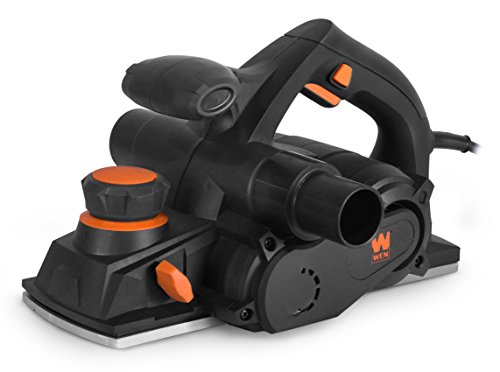
The WEN 6534 offers a robust 8-amp motor capable of delivering up to 32,000 cuts per minute, making quick work of stock prep. Its 4-3/8-inch cutting width suits common beginner projects, including planing 2x4s and light stock for small furniture or trim. With 16 positive depth stops, you can accurately set cutting depth from 0 to 1/8 inch, reducing guesswork and increasing repeatability. The combination of power and straightforward depth control makes it a practical first planer for beginners learning consistent stock thickness.
Key considerations for beginners: ensure you secure long boards well and use a push stick to maintain proper control. The 1/8-inch maximum depth is sufficient for initial flattening and step-down passes, and the planer’s weight and handle design help manage operation without fatigue.
WEN 6530 6-Amp Electric Hand Planer
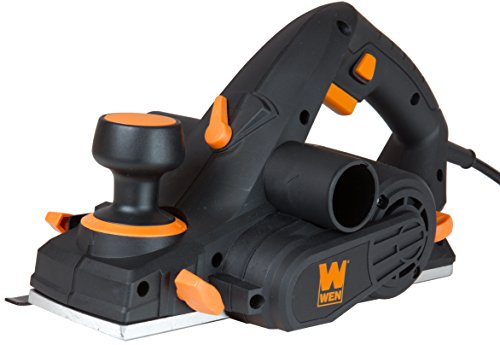
The WEN 6530 balances portability with sufficient power for beginners. A 6-amp motor provides up to 34,000 cuts per minute, helping you remove material efficiently. It includes 16 positive stops allowing adjustments from 0 to 1/8 inch, supporting consistent stock thickness across multiple passes. A 5/16-inch rabbeting guide enables rabbets up to 1 inch in size, expanding the range of beginner projects you can tackle, from dados to simple rebates. Its compact profile aids maneuverability for smaller workpieces while still delivering solid performance for hobbyist projects.
Recommendation for new woodworkers: pair this with practice stock to practice squaring faces and edges before moving to wider boards. Check blade condition regularly, and take light passes to minimize tear-out as you learn techniques.
Amazon Basics Woodworking Hand Planer

The Amazon Basics No.4 adjustable bench plane offers a traditional approach with a durable cast iron body that provides stability and strength for consistent results. The impact-resistant plastic handle with a contoured grip gives improved control, especially for beginners who are still developing technique. A robust steel blade is designed to deliver clean cuts, making it a sensible starting tool for basic flattening and smoothing tasks on wide boards. This option is well-suited for learners who appreciate a straightforward, no-frills planer.
Tips for beginners: start with light passes to gauge stock conditions, and maintain a steady, perpendicular motion to the grain. Regularly check blade sharpness to maintain quality cuts and minimize tear-out.
DEWALT Thickness Planer, 13-Inch

The DEWALT 13-inch thickness planer is a staple for many beginners who progress to heavier stock and wider boards. Its 15-amp motor with a 20,000 rpm cutter head delivers efficient, wider cuts, enabling you to flatten larger pieces with fewer passes. The three-knife cutter head reportedly offers improved knife life and easier changes, while the two-speed gearbox supports adjustments for different feeds and cuts per inch. This model is suited to learners who anticipate working with thicker stock and larger projects, such as tabletops or cabinet panels.
Keep in mind: proper dust collection is important to maintain a clean work area, and you’ll want to check and replace knives in a timely manner to preserve finish quality. Beginner users should plan for initial slower stock removal as they build confidence with depth adjustments.
WEN PL1326 15-Amp 13-Inch Spiral Planer
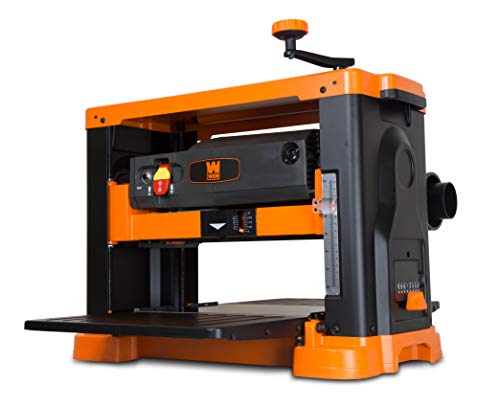
The WEN PL1326 is a popular choice for beginners who want a modern approach to surfacing. Its spiral cutterhead uses 26 staggered and rotatable blades to deliver a smooth, uniform finish with less tear-out across varying grain directions. An onboard material removal gauge helps you monitor depth per pass, aiding consistency across sessions. Capable of planing boards up to 6 inches thick and 13 inches wide, this model suits hobby projects such as furniture panels and wide boards for tabletops and shelves. The spiral head reduces noise and vibration, contributing to a more comfortable working experience for new users.
Operational notes: practice with light stock first, verify recommended feed rates, and ensure your workpiece remains square and supported to maximize results with the spiral design.
Buying Guide: Key Purchase Considerations for Beginners
- Stock size and capacity: For beginners, choose a planer that handles common starter stock (3- to 6-inch widths and up to 13 inches long) and provides a clear depth stop range (often 0 to 1/8 inch). This helps build skill without overextending your setup.
- Power and speed: A planer’s motor should deliver enough power for your typical stock. 6- to 8-amp hand planers serve small tasks well, while benchtop or stationary units with 13-inch width capacity are better for larger projects.
- Depth adjustment and accuracy: Positive stops and easily accessible depth controls reduce guesswork and improve repeatability. Look for tools with multiple depth stops and clear gauges.
- Blade type and life: Carriage planers with cutter heads (three-knife or spiral) offer different trade-offs in cut quality and blade life. Spiral cutters generally produce smoother finishes and longer life for beginners tackling tear-out from varying grain.
- Platform and ergonomics: A comfortable grip, balanced weight, and stable base matter for long sessions. Cast iron bodies or solid aluminum enclosures tend to offer better stability for consistent results.
- Dust management: Planers generate substantial dust and chips. Favor models with efficient dust ports, or plan for a compatible shop vacuum system to maintain a clean work area and extend tool life.
- Budget and learning curve: For beginners, a balance between cost and features is key. Entry-level electric hand planers offer immediate value for small projects, while 13-inch thickness planers prepare you for larger pieces but require more space and setup.
When selecting a first planer, consider your typical projects, workspace limitations, and how frequently you plan to work with stock of varying thickness. The options above provide a spectrum of beginner-friendly tools, from compact hand planers to benchtop thickness planers, each designed to help new woodworkers flatten, smooth, and true stock with confidence.