Micro pin nailers deliver tiny, discrete holes ideal for cabinetry, trim, and fine molding. This guide highlights top options, comparing weight, nail range, compatibility, and safety features to help you choose a tool that minimizes surface damage while maximizing precision on American projects.
The following table summarizes the five recommended micro pin nailers, focusing on versatility, reliability, and user-wide availability. Each entry includes brand, model, and a quick note on standout strengths.
| Product | Brand | Notable Strength |
|---|---|---|
| NP35A Pin Nailer | Metabo HPT | Award-winning Pro Preferred status and flexible 23-gauge pins |
| KEENTECH 23 GA Pin Nailer | KEENTECH | Large 2,160-pin set for multi-project runs |
| Arrow PT23G Pin Nailer | Arrow Fastener | Oil-free operation with easy side-load magazine |
| Makita AF353 23 Gauge Pin Nailer | Makita | Low weight with dry-fire protection |
| PORTER-CABLE PIN138 | PORTER-CABLE | Long-lasting, maintenance-free motor |
Metabo HPT NP35A Pro-Preferred Pneumatic Pin Nailer

Designed for cabinets, trim, and crafting, this 23-gauge headless pin nailer drives 5/8″ to 1-3/8″ pins. Weighing about 2.0 pounds, it balances portability with power. The tool is celebrated for its versatility across cabinet work, paneling, moldings, glazing bead, and picture frame assembly. The 23-gauge, headless nails help create nearly invisible holes, preserving surface integrity on fine carpentry projects.
KEENTECH 23 GA Pin Nailer With 2160 Pins

This 23-gauge pinner accepts pins from 5/32″ to 1″ and ships with 2,160 nails. It features a fixed 1/4″ NPT air inlet and a compact, low-fatigue design at about 1.87 pounds. The included nails cover a wide range of trim, cabinets, and crafts. An emphasis on slim nose design helps minimize visible entry marks while delivering precise results on delicate surfaces.
Arrow PT23G 23 Gauge Compact Pin Nailer
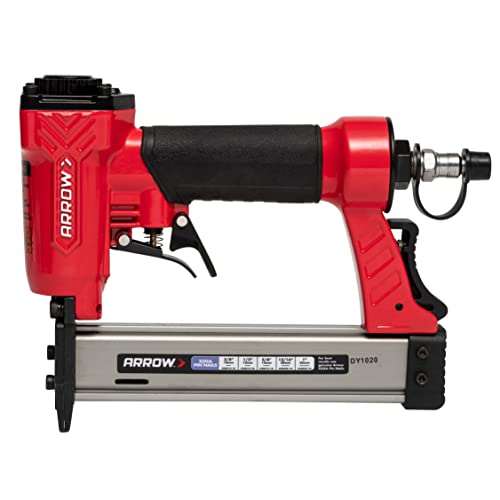
This oil-free, lightweight pinner is compact for trim, molding, and hobby tasks using headless 23-gauge pins. It features an easy side-load magazine, simple jam clearing, and works optimally with 3/8″ to 1″ nails. The die-cast aluminum body enhances durability while reducing fatigue during extended use, and oil-free operation simplifies maintenance.
KEENTECH 23 GA Pin Nailer With 2160 Pins (1/2″–1-3/8″)

This KEENTECH model accepts 1/2″ to 1-3/8″ pins and includes 160-pin capacity with a robust safety trigger system. It emphasizes a slim nose and a dual-safety mechanism to prevent accidental firing. The fixed 1/4″ NPT inlet, combined with a 60–120 PSI operating range, makes it suitable for precise trim and panel work while maintaining surface integrity.
Makita AF353 23 Gauge Pin Nailer

Makita’s AF353 drives 5/8″ to 1-3/8″ pins with a durable aluminum body and reinforced magazine and cylinder. Weighing about 2 pounds, it includes a nail lock-out mechanism to prevent dry firing, protecting both tool and workpiece. The combination of light weight and power makes it a strong option for cabinetry and fine trim.
PORTER-CABLE 23-Gauge Pin Nailer PIN138
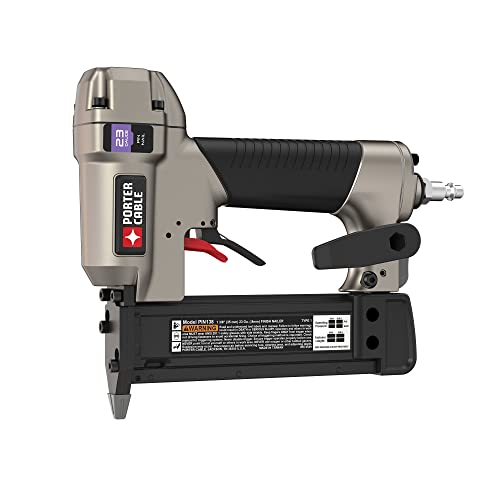
The PIN138 uses 23-gauge headless pins from 5/8″ to 1-3/8″ and ships with a 1/4″ air fitting plus a carrying case. It offers a long-life, maintenance-free motor designed to reduce staining on the work surface. This model balances practicality with reliable performance for baseboard and molding installations.
meite MP635B Pin Nailer, 23 Gauge

Meite’s MP635B supports 1/2″ to 1-3/8″ pins, including brads, with a 100-nail magazine capacity for extended projects. It includes a safety switch and a 360° adjustable rear exhaust to direct air away from the work surface. This makes it versatile for cabinetry, paneling, and decorative trim where small, nearly invisible pin holes are desired.
Buying Guide
Key factors to consider when choosing a micro pin nailer:
- Pin range and compatibility: Look for tools that support 5/8″ to 1-1/4″ or 1-3/8″ pins, depending on your typical projects. A wider range increases versatility for cabinetry, trim, and delicate molding.
- Weight and balance: Lighter tools reduce fatigue on long sessions, especially for overhead or ceiling work. Aim for 1.8–2.5 pounds for handheld use.
- Jam resistance and magazine design: Side-load magazines and easy jam-clearing mechanisms improve efficiency on busy days.
- Air supply requirements: Most 23-gauge pins require a compressor. Check PSI range (often 60–120 PSI) and ensure your setup matches the tool’s needs.
- Safety features: Look for dual-trigger or safety locks to prevent accidental firing, and dry-fire protection to protect delicate surfaces.
- Maintenance: Oil-free designs reduce maintenance, while oil-requiring models may need regular lubrication.
- Included accessories: A larger pin set and carrying case add value, especially if you tackle multiple project types.
- Warranty and service: Brands with solid customer support and extended warranties reduce lifecycle risk for frequent DIYers and professionals.
When selecting, align the tool’s pin range, weight, and safety features with your typical projects—cabinetry detail, fine trim, or craft work. For frequent, multi-project use, a kit with a larger pin supply and a robust safety system offers the best value. Always verify air compressor compatibility and maintenance requirements before purchasing.