If you need a reciprocating saw that minimizes vibration for cleaner cuts and reduced fatigue, this guide highlights top options available on Amazon. Each pick emphasizes smoother operation, ergonomic design, and practical performance across materials like wood, metal, plastic, and composites. Below is a quick summary of the featured products to help you compare at a glance.
| Product | Brand | Key Vibration/Comfort Features |
|---|---|---|
| Ingersoll Rand 529 Reciprocating Air Saw | Ingersoll Rand | Lock-out lever, tight-space ergonomics, versatile for plastics, fiberglass, metal |
| AIRCAT 6350 Low Vibration Air Saw | AIRCAT | Internal damping systems, exhaust muffler, multiple blades included |
| Air Reciprocating File Body Saw (UPWOOD) | UPWOOD | Combines air saw and file, low vibration exhaust hose |
| DEWALT 20V MAX Reciprocating Saw (DCS380B) | DEWALT | Four-position blade clamp, variable speed, compact bare tool |
| DEWALT ATOMIC 20V MAX Reciprocating Saw (DCS369B) | DEWALT | One-handed, lighter, brushless motor |
Note: The selections focus on low-vibration operation, ergonomic design, and practical versatility for common tasks in construction, plumbing, electrical, and remodeling work. Each product section includes a direct link to Amazon for quick reference and purchasing.
Ingersoll Rand 529 Reciprocating Air Saw

The Ingersoll Rand 529 is designed for low vibration and operator safety. It features a lock-out lever to prevent accidental throttle engagement and a compact, ergonomic form that improves access in tight spaces. This versatile pneumatic saw handles flat and curved surfaces across plastics, fiberglass, and sheet metal, including aluminum, making it suitable for automotive, HVAC, and metalworking tasks. Its spring-loaded latch resets automatically after the lever is released, reducing fatigue during extended use.
AIRCAT Pneumatic Tools 6350 Low Vibration Reciprocating Air Saw
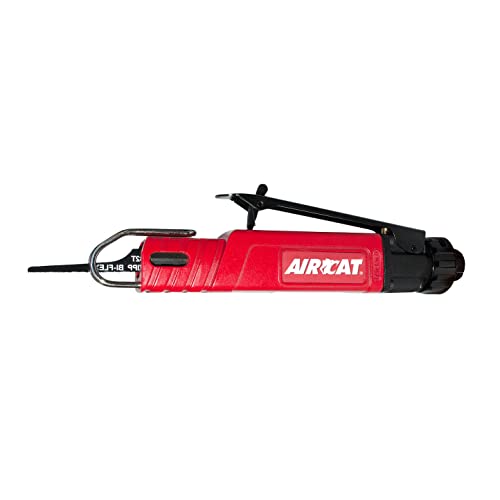
The AIRCAT 6350 emphasizes low vibration through an internal damping system and a rotational exhaust muffler that directs air away from the work area. It includes multiple teeth blades (18, 24, and 32) for varied cutting tasks, helping maintain smoother operation across different materials. The design aims to reduce operator fatigue during long sessions, making it suitable for metal, plastic, and composite work.
Air Reciprocating File Body Saw (UPWOOD)

UPWOOD blends an air saw with an integrated file system, offering a versatile, low-vibration tool ideal for deburring, grinding, rust removal, and cutting. The exhaust hose assembly contributes to quieter operation, and the tool is designed to minimize vibration while delivering steady performance across combined tasks. This makes it a practical option for hobbyists and professionals handling metal and composite work without excessive noise or fatigue.
DEWALT 20V MAX Reciprocating Saw DCS380B

This bare tool from DEWALT combines portability with strong cutting speed. The four-position blade clamp supports flush cuts and versatile positioning, while the 1-1/8-inch stroke length speeds up material separation. Variable speed control enables blade optimization for different materials, contributing to smoother operation and reduced vibration in many standard framing and demolition applications.
DEWALT 20V MAX XR Reciprocating Saw DCS367B

DEWALT’s DCS367B is a compact, lighter unit in the XR line, designed for extended runtime and improved maneuverability. It weighs around 5 pounds (tool only) and is optimized for tight spaces with a 14.5-inch length. The brushless motor in some configurations contributes to longer tool life and steadier operation, which can translate to less perceived vibration and better control in real-world tasks.
DEWALT ATOMIC 20V MAX Reciprocating Saw DCS369B

The DEWALT ATOMIC model focuses on one-handed operation with a compact profile and a brushless motor for enhanced performance. At only 12.5 inches long and lighter than many rivals, it reduces arm strain while maintaining solid cutting efficiency. This design is well-suited for overhead work, tight studs, and other constrained environments where vibration reduction is valuable for precision and comfort.
Buying Guide: Key Purchase Considerations And Comparisons
- Vibration management matter: Look for tools with explicit vibration-reduction features, such as damping systems, exhaust mufflers, or ergonomic handles. These features reduce user fatigue and improve control over long runs.
- Power source and portability: Corded vs. cordless matters for mobility and runtime. Cordless models offer convenience in tight spaces, while corded tools provide consistent power for heavy cutting.
- Weight and balance: Lighter tools with balanced design help minimize wrist strain. Check stated weights for tool-only and consider battery weight when evaluating cordless options.
- Blade clamp and compatibility: A tool with a versatile blade clamp and easy blade changes (tool-free if possible) saves time and improves accuracy during cuts.
- Tool categories: Pneumatic tools excel in workshop settings with air supply, whereas battery-powered options suit remote jobsites. Consider blade types suitable for wood, metal, or composite materials.
- Noise considerations: Exhaust direction and mufflers can significantly reduce perceived noise and impact on nearby workers or occupants, especially in residential projects.
- Included blades and accessories: Some models ship with multiple blades and guide accessories. A broader blade selection supports varied materials and thicknesses without additional purchases.
- Maintenance and durability: Brushless motors and robust housings contribute to longer service life and steadier performance under load.
- Application fit: For HVAC, plumbing, or electrical work, prioritize models that excel in flush cuts, restricted access, and controlled blade movement to minimize vibration exposure to the user.
Across these selections, the common objective is smooth operation under load, ergonomic handling, and material versatility. The list provides options for pneumatic, cordless, and mixed-task uses, enabling a choice that matches your typical projects, workspace, and required run time. Always verify current specifications and accessories on the product page before purchasing to ensure alignment with your needs.