For enduring power during outages, outdoor adventures, or job sites, a large inverter generator delivers clean, reliable electricity without a loud, fuel-hungry engine. This guide highlights five top options that balance high running watts, low THD, portability, and safety features. Each model prioritizes sensitive electronics protection and efficient fuel use, making them suitable for homes, RVs, and remote work sites.
| Product | Brand | Max Surge Watts | Fuel | Key Feature |
|---|---|---|---|---|
| Westinghouse 11000 Peak | Westinghouse | 11000 | Gas/Propane | Remote start, low THD, transfer switch ready |
| DuroMax XP13000EH | DuroMax | 13000 | Gas/Propane | Whole-home backup power, dual fuel |
| WEN DF680iX | WEN | 6800 | Gas/Propane | Electric start, CO watchdog |
| WEN 4800-Watt 56477i | WEN | 4800 | Gas | RV-ready, quiet, 1.9 gal tank |
| WEN DF451i | WEN | 4500 | Gas/Propane | Auto fuel switch, quiet operation |
The following sections detail five top large inverter generators. Each entry includes a concise overview, essential features, and a look at how it fits different use cases from home protection to off-grid RV living.
Westinghouse 11000 Peak Watt Dual Fuel Inverter

The Westinghouse 11000 Peak Watt generator delivers substantial running power with a peak rating that supports surge demands from motors and power tools. It runs on gasoline or propane, with a low THD specification to safeguard electronics. The remote electric start adds convenience, and the unit is transfer-switch ready for seamless home integration. Its display shows real-time data, including fuel level and remaining runtime, aiding planning during outages or outdoor events.
DuroMax XP13000EH Dual Fuel Portable Generator

With 13,000 watts of peak power, the XP13000EH is designed for whole-home backup and heavy-duty use. Dual-fuel capability provides flexibility during fuel shortages, and its rugged construction supports harsh environments. Electric start ensures quick self-starting, and the unit is widely used for storm prep and off-grid scenarios. The model emphasizes durability and a broad range of outlets for multiple appliances and tools.
WEN DF680iX Quiet Dual Fuel RV-Ready Inverter

The DF680iX offers dual-fuel operation (gasoline and propane) with an electric start and CO watchdog for added safety. Its bonded-neutral 240V configuration supports Level 2 charging for vehicles, making it a strong choice for EV owners needing portable backup power. The combination of high surge watts and quiet operation makes it suitable for RV use and weekend getaways.
WEN 4800-Watt Portable Inverter Generator (56477i)

This WEN unit provides a robust 4800 surge watts with 4000 rated watts, delivering clean power ideal for sensitive electronics. Its compact, lightweight design and a fuel-efficient 1.9-gallon tank yield up to seven hours of runtime at half load. The model is particularly well-suited for RVs and portable job sites where quiet operation and electronics safety are priorities.
WEN DF451i Dual Fuel Portable Inverter
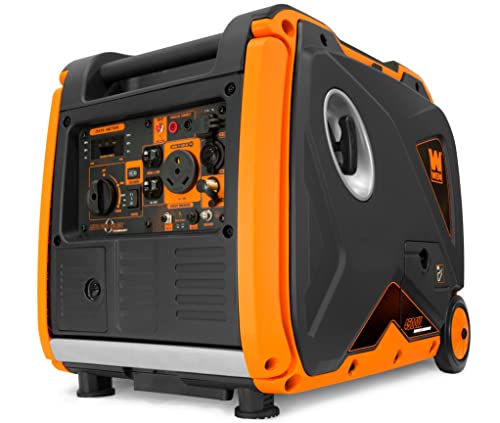
The DF451i uses a dual-fuel design, switching between propane and gasoline automatically to maximize runtime. With 4500 surge watts and 3150 rated watts on propane, and quieter operation, this model is a practical option for hybrid setups, off-grid cabins, or emergency power for essential appliances. It emphasizes efficient fuel use and user-friendly safety features.
Buying Guide
- Power needs: Assess your essential appliances and peak loads. Generators with higher surge wattage can handle initial startup surges from motors, air conditioners, and power tools.
- Fuel flexibility: Dual-fuel units offer versatility if one fuel is scarce. Gasoline and propane compatibility helps extend runtime and resilience during outages.
- Output quality: Look for low THD (total harmonic distortion) to protect sensitive electronics like laptops, smartphones, and cameras.
- Run time and tank size: Larger tanks deliver longer runtime at a given load, but weight and portability matter for RVs and campsites. Consider half-load runtime as a practical baseline.
- Starting method: Electric start is convenient, but ensure a reliable battery and a backup recoil if needed. Remote start adds convenience for remote locations.
- Noise level: Quieter generators reduce disturbance at campsites and residential areas. Check dBA ratings at typical loads.
- Safety features: CO sensors, automatic shutoffs, and reinforced outlets with protective covers enhance safety for indoor or semi-indoor use.
- Portability and build: Weighing options range from compact, wheeled designs to heavier, transfer-switch-ready units. Consider storage space and how you’ll transport the unit.
- Electrical compatibility: Confirm the available outlets match your intended devices, including 120V and 240V options, as well as transfer-switch readiness for home backup.
- Compliance: EPA III and CARB compliance often indicate lower emissions and quieter operation, beneficial for residential use and urban environments.