When preparing for outdoor adventures, a kukri can be a versatile tool for chopping, carving, and even self-reliant tasks. This guide highlights five reliable kukri options best suited for survival scenarios, bushcraft, and camping. Each pick emphasizes durability, ergonomic handling, and practical features that help you tackle a range of field tasks. Below, you’ll find careful comparisons, practical use cases, and a buying guide to help you choose the right kukri for your needs.
Summary of Selected Products
| Product | Brand | Image | Amazon Link |
|---|---|---|---|
| NedFoss Kukri Survival Knife with Sheath | NedFoss |  |
View Product |
| TIVOLI Kukri Fixed Blade Knife | TIVOLI |  |
View Product |
| Nepal Forged Survival Kukri | Nepal forged |  |
View Product |
| Moontay Fixed Blade Kukri Knife | Moontay |  |
View Product |
| SOG Sogfari Kukri 13″ | SOG | 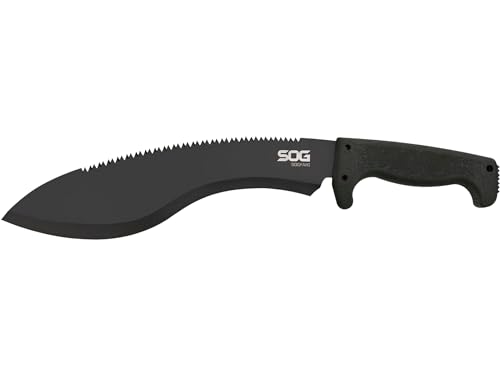 |
View Product |
Note: The products above are representative picks for survival-oriented kukri use, featuring durable blades, full tangs, and practical sheaths for field carry.
NedFoss Kukri Survival Knife With Sheath
The NedFoss Kukri Survival Knife combines a robust fixed-blade design with an ergonomic G10 handle for reliable grip and balance. The knife is built around a full-length AUS-8 steel blade, offering solid edge retention and strength for demanding outdoor tasks. The included sheath provides secure carry and quick access, making it a practical choice for camping and bushcraft. Blade length and overall dimensions are optimized for chopping, batoning, and general outdoor use, with a profile that fits in most packs without bulk.
Key features include a 11.3-inch overall length, a 6.3-inch blade, and a 0.23-inch blade thickness. The balance between blade and handle aids precise control during heavy-duty chopping and fine carving, while the full tang construction contributes to durability under impact. This kukri is positioned for campers and survivalists who require a dependable tool with a traditional shape and modern steel performance.
TIVOLI Kukri Fixed Blade Knife
The TIVOLI kukri emphasizes heavy-duty construction and classic Nepalese knife design. With a 5mm-thick blade forged through a D2 steel core and tempered using precise techniques, this blade is engineered for exceptional edge retention and wear resistance. The full-tang setup runs through a walnut handle, delivering a durable, rugged feel and a secure grip for demanding slashing and chopping tasks. The forward-curved kukri shape increases leverage for chopping and splitting wood at the campsite.
Designed for challenging outdoor tasks, this knife handles brush clearing, food prep, and shelter-building chores with consistent performance. Its robust build supports extended field use, while the ergonomic handle reduces hand fatigue during longer sessions. The included sheath adds protection and safe carrying, making it suitable for survival-focused packs and expeditions.
Nepal Forged Survival Kukri
Hand-forged in Nepal using 5160 carbon steel, the Nepal Forged Survival Kukri blends traditional craftsmanship with modern heat-treating. The 12-inch blade pairs with a 6-inch full-tang rosewood handle to create a balanced, durable tool designed for chops, splits, and heavy-duty bushcraft tasks. The design emphasizes natural materials and a robust blade geometry intended for reliable performance in rugged environments.
With balanced weight distribution and a resilient edge, this kukri is well-suited for trail work, firewood prep, and shelter creation. The traditional construction and temperature-treated edge contribute to long-term durability, making it a viable choice for survival kits that prioritize heritage blades with proven capability in the field.
Moontay Fixed Blade Kukri Knife
Moontay’s kukri features premium VG10 steel for high hardness and edge retention, paired with a full-tang design for balance and durability. The rosewood handle offers an ergonomic grip, supporting steady control during extended use. A reinforced sheath with a secure snap closure ensures safe carry and rapid access in the field. The knife is positioned for bushcraft, camping, and hunting tasks where reliable cutting performance is essential.
The blade’s sharpness and toughness support tasks from heavy chopping to fine trimming, making it a versatile option for survival-oriented gear. The combination of a rugged blade, balanced weight, and protective sheath aligns with outdoor preparedness needs where dependable tools are a priority.
SOG Sogfari Kukri 13″ Survival Machete
The SOG Sogfari Kukri integrates a 13-inch stainless steel blade with a practical back saw, offering a versatile toolkit in a single blade design. This machete-style kukri is designed for survival scenarios where rapid brush clearing, wood processing, and camp setup are needed. The blade’s corrosion resistance helps maintain performance in varied weather, while a textured handle provides a secure grip and enhanced control in wet or muddy conditions.
With its built-in saw and rugged construction, this kukri supports a wide range of field tasks—from preparing kindling to trimming branches. The overall design favors heavy-duty tasks without sacrificing maneuverability, making it a practical option for campers and outdoor enthusiasts seeking a multifunctional survival blade.
Buying Guide: Key Purchase Considerations for Survival Kukri
- Blade material and hardness: Look for high-carbon steels that hold an edge and resist wear, with hardness ratings appropriate to the task (roughly 50–60 HRC is common for robust outdoor use).
- Blade thickness and geometry: A thicker blade (around 5–6 mm) provides durability for chopping and batoning, while a slightly curved kukri shape increases leverage for slicing and cutting.
- Full tang and balance: A full-tang construction improves durability and control, especially under heavy use; balanced weight reduces hand fatigue during extended tasks.
- Handle material and grip: G10, wood, or composite handles should offer a secure, non-slip grip and comfortable contouring for prolonged sessions in varying conditions.
- Sheath quality: A reinforced sheath with a secure retention system protects the blade and enables safe carry in outdoors kits.
- Maintenance needs: Consider corrosion resistance and ease of maintenance, especially in humid or rugged environments where the blade could encounter moisture.
- Intended tasks: Match blade geometry and size to your primary activities—brush clearing, firewood prep, shelter building, and food prep all benefit from different kukri styles.
- Portability: If you hike or travel light, prioritize a knife with a compact length and reliable sheath for easy backpack carry.
- Budget and availability: While premium materials offer longevity, many reliable mid-range options deliver strong performance for general survival use.
When choosing a kukri for survival, assess how the blade will be used most often, the environment where you’ll operate, and how you’ll transport it. The five options reviewed here each provide distinct advantages—from traditional Nepalese designs to modern steel blends—so you can align your pick with your field requirements and safety priorities.