Enhance your bonsai care with Japanese craftsmanship designed for precision, comfort, and long-lasting sharpness. This guide highlights five top Japanese bonsai scissors, covering hand-forged blades, ergonomic handles, and heritage-made tools. Whether you’re shaping delicate twigs or trimming small branches, these picks balance reliability with authentic craftsmanship. Read on to compare features, materials, and suitability for beginners and seasoned bonsai artists alike.
| Product | Brand | Made In |
|---|---|---|
| Wazakura Bonsai Scissors 7″ (180mm) | Wazakura | Japan |
| VISEMAN Japanese Bonsai Pruning Scissors | VISEMAN | Japan |
| Wazakura Satsuki Bonsai Scissors 7″ | Wazakura | Japan |
| ALLEX Trimming Scissors for Gardening 7″ | ALLEX | Japan |
| TONMA Ashinaga Bonsai Scissors 8″ | TONMA JP | Japan |
Wazakura Bonsai Scissors 7″ — Handcrafted Japanese Steel

Originating from Sanjo, Niigata, these 7-inch scissors are forged from S58C black carbon steel and are 100% made in Japan. The blades measure about 2.04 inches long, providing precise cuts for light pruning and shaping. Weighing 5.5 ounces, they strike a balance between sturdiness and maneuverability. The tools are designed for general use, suitable for bonsai beginners and for ikebana tasks. Their traditional craftsmanship emphasizes clean, controlled cuts on branches up to roughly 10 mm in diameter.
Key features include a compact profile for detailed work, a comfortable grip for extended sessions, and reliable edge retention from a respected Japanese metalwork tradition. While ideal for beginners, experienced bonsai artists will appreciate the precision and build quality that comes from decades of artisan skill in the Niigata region.
VISEMAN Japanese Bonsai Pruning Scissors

These lightweight carbon steel blades are engineered for precision cuts on soft stems and small branches. The design emphasizes clean, angled cuts suitable for shaping and detailing, with a focus on accuracy rather than heavy woody pruning. The ergonomic looped handle reduces hand fatigue during long pruning sessions, making them a good choice for florists and hobbyists who work with delicate plants. Not recommended for dry or hard woody material, which helps prolong blade life and maintain cutting performance over time.
Highlights include enhanced maneuverability, a balance of sharpness and control, and a form that supports extended use without strain. Carbon steel construction keeps blades sharp while remaining responsive to controlled pressure. These scissors fit well into a bonsai toolkit aimed at precise sculpting and meticulous twig work.
Wazakura Satsuki Bonsai Scissors 7″

Right-hand, hand-forged in Sanjo, these 7-inch scissors use S58C carbon steel and are crafted in Niigata Prefecture, a region renowned for metalworking. The blade length sits around 1.57 inches, with a light overall weight of about 84 grams, enabling delicate trimming of twigs and shoots up to 4 mm in diameter. They are a precise tool for deadheading, thinning, and fine stylization, making them suitable for Satsuki bonsai and other small-leaf varieties. The craftsmanship emphasizes accuracy, durability, and a traditional approach to pruning.
Designed for detailed trimming, these scissors excel at thinning and shaping where every cut matters. The craftsmanship and authentic Japanese manufacturing heritage add reliability for users who value historical technique alongside modern performance. Users should consider their dominant hand if selecting between right- or left-handed options, since these are crafted for right-handed use.
ALLEX Trimming Scissors for Gardening 7″
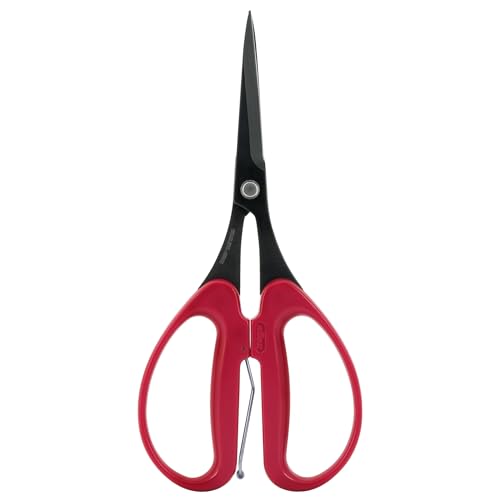
ALLEX presents a Japanese-made trimming scissor with a non-stick coated blade designed to resist resin buildup and rust. Hand-finished blades come from Seki, a city famous for blade making, delivering razor-sharp edges with longevity. The fine tips enable precise trimming, useful for buds, thinning stems, and delicate herb harvesting. The spring-loaded mechanism helps reduce fatigue during extended use, which is beneficial for gardeners who perform intricate pruning tasks over long sessions.
The blade coating and precise craftsmanship are aimed at serious gardeners who value accuracy and durability. While the tool emphasizes precision, users should note that non-stick coatings assist with certain materials but may not be ideal for all rootstock types. This makes ALLEX a versatile choice for bonsai artists seeking a reliable, maintenance-friendly option with a traditional Japanese touch.
TONMA Ashinaga Bonsai Scissors 8″
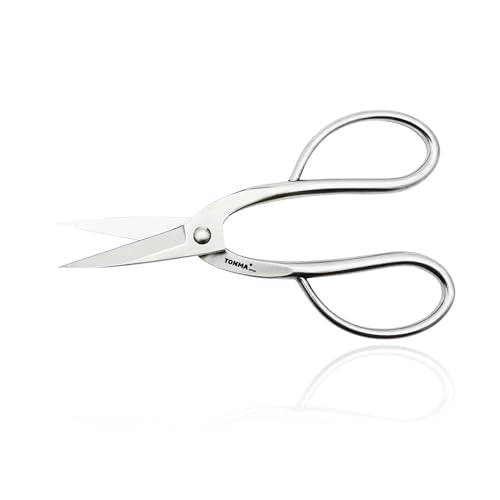
TONMA uses Japanese AUS-8 stainless steel for a solid, all-in-one-piece blade with a 4.5 mm thickness and a hardness rating around HRC 59±1. These 8-inch pruning shears are designed for heavy-duty use while maintaining precision. The all-steel construction supports long-lasting edge retention, making them suitable for frequent bonsai trimming, cleanup, and general garden shaping. The large size provides leverage for more substantial branches, while still offering a clean cut for delicate material when used with proper technique.
With a tall handle-to-blade ratio, TONMA aims to balance strength and control, ensuring reliability during regular bonsai sessions. The “Made in Japan” designation aligns with expectations for consistent blade geometry and ergonomic feels. Users seeking robust pruning tools for bigger pruning tasks will find TONMA to be a strong option within a Japanese-made lineup.
VISEMAN Japanese Bonsai Shears — Long Handle

This VISEMAN model emphasizes a long-handled design and premium carbon steel blades for lighter, sharper pruning. The ergonomic looped handle promotes a comfortable grip and reduced fatigue, particularly during detailed shaping and trimming work. It is well-suited for cutting soft stems and small branches with clean, angled cuts, making it a reliable companion for daily bonsai maintenance and precise styling.
As with similar Japanese tools, these shears prioritize balance, control, and edge longevity. They are ideal for practitioners who require consistent performance in shaping and detailing tasks while maintaining comfortable use during longer pruning sessions. Considercareful material compatibility and hand size when selecting this model for your bonsai toolkit.
Buying Guide: Key Purchase Considerations For Japanese Bonsai Scissors
- Made In Japan: Authentic craftsmanship often correlates with blade quality, edge retention, and durability. Look for regions with strong metalworking traditions, such as Niigata and Seki.
- Blade Material And Hardness: Carbon steel blades are sharp and easy to sharpen, while stainless variants resist corrosion. Consider hardness ratings (HRC) for longevity and edge retention.
- Blade Length And Weight: Shorter blades offer precision for delicate twigs; longer blades provide leverage for thicker branches. Weight affects fatigue during long sessions—balance is key.
- Grip Design: Ergonomic handles reduce fatigue and improve control. Check for loops or soft-touch coatings if you prune for extended periods.
- Tip Design And Precision: Fine tips support precise trimming of buds and small shoots. Non-stick coatings can help with resinous plants but evaluate for durability in your climate.
- Intended Use: For delicate bonsai work, prioritize scissors designed for precision and clean cuts; for larger pruning tasks, consider heavier-duty models with robust blades.
- Maintenance: Regular cleaning and light oiling extend tool life. Ensure blades can be sharpened and re-edged as needed by a professional or confidently by the user.
- Left- vs Right-Handed Use: Some models are specifically right-handed. If you are left-handed, verify compatibility or seek ambidextrous designs.
- Brand Heritage: Reputable brands with long histories in metalwork—such as Wazakura, TONMA, and Seki-made ALLEX tools—often deliver consistent performance and support.