Choosing a gas-powered chainsaw for home use involves balancing cut capacity, weight, safety features, and reliability. The following five models represent strong choices for homeowners who need dependable cutting power for wood cutting, trimming, and light tree work. Each product section highlights key specs and safety features to help you compare at a glance.
| Product | Brand | Displacement | Bar Length | Key Benefit |
|---|---|---|---|---|
| Husqvarna 120 Mark III (970739616) | Husqvarna | 38 cc | 16 in | Lightweight with efficient X-Torq engine |
| Baotree 62cc 20-Inch | Baotree | 62 cc | 20 in | 3D anti-kickback brake and tool-free tensioning |
| NEO-TEC 12″ Top Handle | NEO-TEC | 25.4 cc | 12 in | One-handed operation, compact, easy start |
| Husqvarna 130 (B07RC1SN2Z) | Husqvarna | 38 cc | 16 in | Effortless start with improved fuel efficiency |
| PROYAMA PCS68 | PROYAMA | 68 cc | 20-24 in | Dual guide bars for versatile tasks |
Note: This summary table provides a quick comparison across engine size, bar length, and notable advantages. For detailed features and safety notes, read each product section below.
Husqvarna 120 Mark III Gas Chainsaw, 16 Inch

The Husqvarna 120 Mark III is a homeowner-oriented chainsaw with a compact 38-cc X-Torq engine. A 16-inch bar supports efficient cutting for firewood, pruning, and light tree work. Its design prioritizes light weight and easy handling for extended use. The inertial activated chain brake adds a critical safety layer during operation, reducing kickback risk. This model is well-suited for users seeking a balance of power and manageability for day-to-day yard tasks.
Baotree 62cc 20-Inch Gas Chainsaw

This 62cc gas chainsaw from Baotree provides robust cutting power with a 20-inch bar, making it suitable for larger firewood tasks and mid-size tree work. The Safety upgrade features a 3D anti-kickback chain brake, improving control in challenging cuts. A forged magnesium crankcase contributes to durability, while a tool-free chain tensioning system simplifies maintenance. It is a solid option if you need more leverage and longer reach without a heavy price tag.
NEO-TEC 12” Top Handle Gas Chainsaw
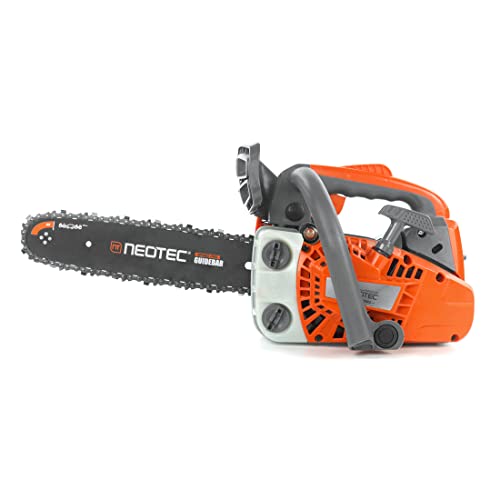
NEO-TEC’s 12-inch top-handle model emphasizes ergonomics and one-handed operation. With a wrap-around handle and a lightweight design, it reduces fatigue during use. The built-in steel bar spring improves rebound and lowers starting resistance, aiding users who may operate with one hand. While compact, it still delivers reliable power for pruning and light wood cutting, making it a practical choice for gardeners and hobbyists seeking portability and ease of use.
Husqvarna 130 Gas Chainsaw, 16 Inch

The Husqvarna 130 series offers an easy-start experience with a fuel pump and combined choke/stop control, reducing engine flooding risk. The 38-cc, 2-HP X-Torq engine balances power with efficiency, and an inertia-activated chain brake adds kickback protection. Designed for home and garden use, this saw excels at versatile tasks with a 16-inch bar and reliable performance in moderate yard workloads.
PROYAMA PCS68 Gas Powered Chainsaw
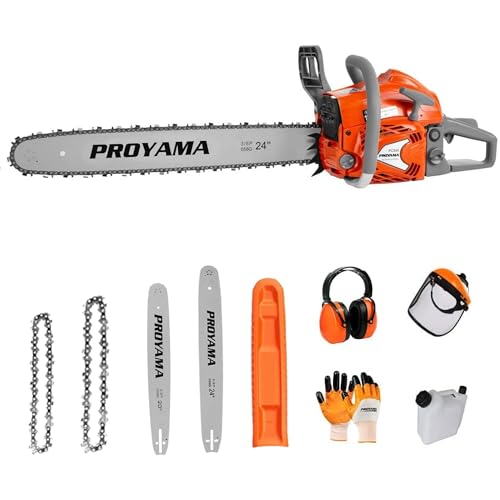
The PROYAMA PCS68 brings commercial-grade power with a 68cc two-stroke engine and a dual-bar configuration offering 20″ and 24″ guide bars. This versatility supports a range of tasks from pruning to felling larger trees. EasyStart technology and a recoil starter facilitate quick starts, while a low-kickback chain design enhances safety without sacrificing speed. This model targets homeowners who require substantial cutting capacity and flexibility for varied outdoor work.
Buying Guide: Key Purchase Considerations
When selecting a homeowner gas chainsaw, consider these aspects to match your typical yard tasks and safety needs:
- Engine displacement and power: Higher cc generally means more cutting force, but also more weight. Choose based on the heaviest anticipated task and your comfort with handling heavier tools.
- Bar length: Longer bars cut faster in larger logs but are harder to maneuver. For home use, 14–18 inches covers most tasks; 20 inches suits larger firewood or medium trees.
- Weight and balance: A lighter saw reduces fatigue during extended work. Look for models with good balance and anti-vibration features.
- Kickback safety: Inertia-activated chain brakes and low-kickback bars improve control during cuts. Proper chain tensioning also matters.
- Starting and fuel efficiency: Easy-start systems, fuel pumps, and efficient engines extend usable time between refueling and start attempts.
- Maintenance: Tool-free tensioning and accessible air filters or spark plugs simplify upkeep. Consider how easy it is to source parts and service locally.
- Durability and safety features: Anti-vibration systems, magnesium crankcases, and sturdy bars contribute to long-term reliability and safer operation.
- Intended use and safety awareness: For frequent pruning and light work, smaller models may suffice. For occasional larger cuts, a mid- to high-displacement saw may be warranted.
Comparison points across these five models include engine size, bar length, anti-kickback and chain brake implementations, start mechanism, and overall weight. By aligning these factors with your typical yard tasks, you can select a saw that minimizes fatigue, maximizes safety, and delivers consistent cutting performance.