Hi-Lift jacks are a staple in off-road, automotive, and fast-response tool kits due to their rugged construction and reliable performance. This guide highlights five top Hi-Lift jack models, comparing construction, capabilities, and practical uses to help readers choose the right jack for lifting, clamping, and spreading needs. Each entry includes key features to aid quick evaluation and a buying guide to navigate common trade-offs.
Summary of chosen products
| Product | Brand | Key Feature | Typical Use |
|---|---|---|---|
| Hi-Lift Jack 48″ All-Cast Jack HL-485 | Hi-Lift | All-cast construction for ultimate strength | Lifting, winching, spreading in rugged environments |
| Hi-Lift Jack 48″ Cast/Steel Jack HL-484 | Hi-Lift | Mixed cast and high-strength steel components | Durable lifting with mechanical operation |
| Hi-Lift Jack 48″ X-TREME XT-485 | Hi-Lift | Top-of-the-line all-cast with rust-resistant features | Extreme use in challenging conditions |
| Hi-Lift Jack 60″ All-Cast HL-605 | Hi-Lift | All-cast construction, larger lifting range | Heavy lifts and long reach in off-road setups |
| Hi-Lift Jack 36″ Cast/Steel HL-364 | Hi-Lift | Combination cast and steel components, ASME B30.1-2015 tested | Compact, reliable lifting with certification |
Hi-Lift Jack 48″ All-Cast HL-485

The HL-485 is built around a fully cast-iron component set designed for maximum strength and durability. It remains the benchmark for all-cast Hi-Lift jacks, with a robust top winch connector clamp and a powder-coated finish complemented by zinc-plated hardware. The two-piece handle and socket provide a durable, reliable operation, making this model suitable for demanding lifting, winching, and spreading tasks in rough terrain. It’s a fit for users who prioritize longevity and consistent performance under load.
Hi-Lift Jack 48″ Cast/Steel HL-484
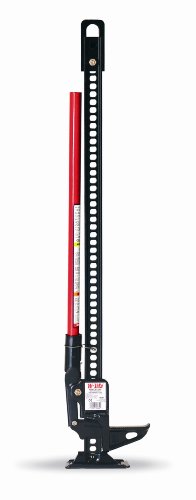
The HL-484 combines cast components with four high-strength stamped steel elements, delivering a balanced blend of rigidity and lighter weight. It features a top winch connector clamp, zinc-plated hardware, and a two-piece handle and socket for dependable operation. This model is well-suited for users who want strong performance with slightly improved handling and storage compared to a fully all-cast design, making it a versatile choice for automotive and off-road recovery tasks.
Hi-Lift Jack X-TREME XT-485

The X-TREME XT-485 is positioned as Hi-Lift’s top-of-the-line, all-cast jack with several specialized features. A gold zinc-coated winch, clamp, and spreader attachment provides superior rust resistance for prolonged use in harsh environments. It offers a single position for winching, clamping, and spreading, simplifying operation. This model targets professionals and enthusiasts who demand peak performance and longevity in extreme conditions.
Hi-Lift Jack 60″ HL-605 All-Cast

The HL-605 expands the line with an extended 60-inch reach while keeping an all-cast design for maximum durability. This larger jack suits heavier lifts and long-distance applications where height and reach matter, such as lifting vehicles with high ground clearance or working on taller platforms. It emphasizes strength and reliability for professional-grade tasks in off-road, rescue, or industrial settings.
Hi-Lift Jack 36″ HL-364 Cast/Steel
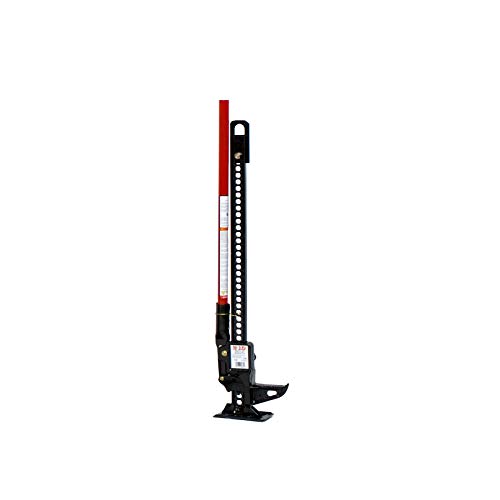
The HL-364 offers a compact option with a cast-and-steel build for a balance of strength and maneuverability. It’s tested and certified to ASME B30.1-2015, providing assurance of compliance with recognized safety standards. The two-piece handle and socket remain a cornerstone of Hi-Lift’s design, delivering dependable operation for smaller lifts, tire changes, or off-road setups where space is limited.
Buying Guide: Key Considerations For Hi-Lift Jacks
Selecting the right Hi-Lift jack depends on several factors, including lifting height, load capacity, and the environment where the jack will be used. Here are critical considerations to evaluate when comparing models:
- Construction Material: All-cast models prioritize maximum strength and durability, especially for demanding environments. Cast/steel hybrids offer a balance of weight and rigidity, while some users may prefer lighter components for portability.
- Lift Height And Reach: Longer jacks (e.g., 60″) provide greater height, helpful for high-clearance vehicles or overhead lifting. Shorter jacks are easier to store and maneuver but may require more effort for tall loads.
- Modes Of Use: Hi-Lift jacks combine lifting, spreading, and clamping capabilities. Consider how often you’ll switch between functions and whether a single-position design (as in XT-485) will simplify operation.
- Corrosion Resistance: Features like zinc-plated hardware and rust-resistant winches help extend life in off-road or wet conditions. For extreme use, models with gold zinc coatings offer additional durability in harsh environments.
- Certification And Safety: Look for models meeting ASME standards where applicable. Certification provides assurance of build quality and safety during operation.
- Portability: Two-piece handles and sockets aid transport, but weight increases with all-cast configurations. If you travel often, weigh portability against lifting power.
- Maintenance Access: Cast components can be sturdier but may require more attention to hardware wear. Consider ease of maintenance and replacement parts when evaluating long-term costs.
- Intended Use Case: Off-road recovery, vehicle maintenance, and emergency rescue each benefit from different balance points between lift height, stability, and load capacity. Define your primary use to guide selection.
Additional Considerations And Alternatives
While Hi-Lift jacks dominate many recovery and lifting tasks, some scenarios may call for alternative tools. For broad versatility, consider a combination of a hi-lift jack and a secondary jack with a larger base or specialized clamps. For roadside repair, pairing a compact jack with a high-quality spare tire kit can streamline operations. In extreme environments, users may opt for jacks with rust-resistant finishes and larger lifting ranges to reduce repeated repositioning. Always follow manufacturer safety instructions and use stabilizing bases or sandbags to maximize stability on uneven ground.