Gym equipment relies on smooth movement of bearings, hinges, and sliding joints. The right grease reduces wear, prevents rust, and minimizes squeaks during workouts. This guide reviews five top greases suited for home and commercial gym gear, highlighting strengths for different materials and operating temperatures. Each product is evaluated for safety, ease of use, and performance in high-use environments.
Summary of Selected Products
| Product | Brand | Best For | Key Benefit |
|---|---|---|---|
| White Lithium Grease | Lucas Oil | Metal-to-metal fittings | Heavy-duty, persistent lubrication |
| White Lithium Grease Spray | WD-40 | Versatile, sprayed applications | Rust and corrosion protection; adjustable spray |
| Planet Safe AIM Extreme Duty Lubricant | PlanetSafe Lubricants | Multi-use, non-toxic | Non-toxic, penetrating, USA-made |
| Fitness Equipment PTFE Grease | TreadLife Fitness | Moving parts in gym machines | Non-toxic, odorless, heavy-duty |
| Silicone Grease with PTFE | Keze | Plastic-to-metal and rubber seals | Low friction, broad compatibility |
Lucas Oil White Lithium Grease — 8 oz
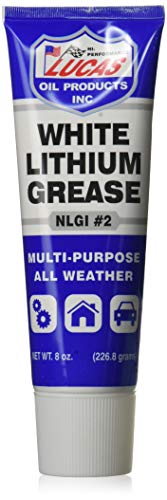
The Lucas Oil 10533 White Lithium Grease is a versatile choice for metal-to-metal components common in gym equipment such as pulleys, guide rails, and joint housings. This grease is designed for heavy-duty lubrication, providing a sticky, film-forming barrier that resists water washout and protects against rust. For treadmills, weight-stack supports, and selector rails, its persistence helps reduce maintenance frequency. The tube format supports convenient spot greasing on targeted joints, and its white lithium composition performs well across a wide temperature range, remaining pliable in cooler environments typical of gym basements or garages.
When applying, focus on drivers and pivot points where metal surfaces rub or pivot. Avoid over-application on surfaces that will attract dust or debris, as excess grease can trap grit. For machines with soft seals or plastic components, ensure compatibility with dissimilar materials to prevent swelling or abrasion. Lucas Oil’s product line is widely compatible with automotive and industrial equipment, which translates well for gym setups that see daily use and exposure to sweat and humidity. Regular inspection helps identify any creeping performance drop, guiding re-application intervals.
WD-40 Specialist White Lithium Grease Spray

The WD-40 Specialist White Lithium Grease Spray offers convenient aerosol lubrication for hard-to-reach parts. Its two-way spraying capability, including a SMART STRAW, allows precise application to hinges, pulleys, gears, and latches without disassembly. The grease forms a protective film that helps prevent rust and corrosion while staying resistant across a broad temperature span, from frigid to hot workshop conditions. The spray is designed to stay put rather than running away, making it suitable for vertical surfaces such as treadmill rails or vertical climbing machines where drips would be problematic.
For gym equipment, WD-40’s spray enables quick maintenance on multiple components with minimal downtime. Use on metal-to-metal joints and motors where a light film is enough to reduce friction. Avoid applying to surfaces that must remain clean or lightly lubricated with silicone-based products, as interactions may alter performance. For best results, clear away sweat and debris before applying, then wipe away any excess after initial setting to maintain a clean operating environment.
PlanetSafe Exercise Equipment Lubricant (4 oz + .25 oz)
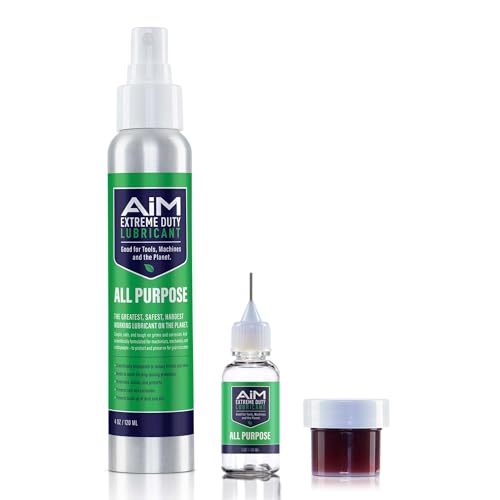
PlanetSafe Lubricants offers a non-toxic, no-odor solution designed for gym gear such as treadmills, rowers, ellipticals, and stationary bikes. The kit features a multi-part setup that promotes easy glide on belts and moving parts, while providing protection against wear and corrosion. Its silicone-based formula penetrates deeply to reduce friction, potentially extending the life of belts and bearings. Made in the USA, this option emphasizes safety for households with children or pets and aligns with eco-conscious procurement. The included bottles and tip accessories help with controlled application to hard-to-reach areas.
For gym owners, this product balances user safety and machine performance. While silicone-based lubricants can attract dust in some environments, the absence of strong odors and low toxicity make it well-suited for indoor facilities. Regular inspection ensures that the lubricant remains evenly distributed and free of clumps. If your equipment operates in a dusty room or experiences heavy sweat exposure, reapplication intervals may be more frequent to maintain quiet operation and smooth movement.
Super Lube Multi-Purpose Grease with Syncolon

Super Lube’s multi-purpose grease uses Syncolon (PTFE) for low friction across a broad temperature range. It’s designed for workshop and industrial use, with strong resistance to water, salt, dirt, and corrosion. The product is NSF H1 registered and is considered food-grade, making it suitable for gym equipment used in food-service environments or facilities that demand stringent contamination controls. Its clear, translucent appearance helps with precise application and monitoring of wear without creating aesthetic issues on white or light-colored components.
In gym settings, this grease shines on bearings, bushings, and gears that demand consistent performance under heat and sweat exposure. Its wide temperature tolerance makes it reliable for equipment housed in warmer rooms or areas with higher ambient temperatures. However, users should avoid over-lubricating, as excess grease can attract debris and debris-bound friction. Regular maintenance reviews can optimize intervals for cleaning and re-lubrication, ensuring quiet operation and prolonged equipment life.
Keze Silicone Grease with PTFE

Keze Silicone Grease with PTFE delivers a versatile lubrication solution for a variety of gym components, including plastic-to-plastic, plastic-to-metal, and rubber-to-metal interfaces. The silicone base resists high temperatures and remains flexible, while PTFE provides low friction. The product is NSF H1 rated for food-contact environments and is designed to prevent rust, oxidation, and squeaks. Its non-pigmented formula keeps surfaces clean, which is beneficial for equipment with visible seals or translucent housings. The combination of silicone and PTFE broadens compatibility across seals, gears, and sliding tracks found in treadmills, weight stacks, and home gym machines.
When applying Keze grease, apply a thin film to the contact surfaces and work it into joints through gentle motion. This reduces binding and preserves seal integrity over time. For equipment with rubber seals or plastic bushings, validate that the silicone formulation does not cause swelling or long-term degradation. As with all lubricants, avoid mixing brands on the same components to prevent inconsistent friction behavior and potential wear.
Buying Guide: Key Purchase Considerations
Choosing the right grease for gym equipment depends on material compatibility, environment, and maintenance routines. Here are several considerations to help you decide:
- Material compatibility: Metal-to-metal joints benefit from lithium or synthetic greases, while plastic and rubber parts may require silicone-based or PTFE-enhanced formulations to minimize swelling and wear.
- Environment and exposure: Gyms can be humid and sweaty; select water- and corrosion-resistant formulas. For indoor spaces with kids or pets, non-toxic and low-odor options help maintain air quality.
- Temperature tolerance: Equipment in warmer rooms or garages may need high-temperature resistance to maintain film integrity and prevent drying out.
- Ease of application: Aerosol sprays are convenient for hard-to-reach locations, while tubes or bottles are better for precise spot lubrication on bearings and hinges.
- Food-grade vs. non-food-grade: If equipment is used near food preparation areas or in facilities handling consumables, NSF H1-rated products are preferable.
- Maintenance interval: Heavily used machines may require more frequent lubrication. Establish a regular inspection schedule to identify squeaks, stiffness, or slower movement.
- Cleanup and contamination risk: Some greases attract dust; consider the cleaning requirements of your gym space and whether you need a low-dust, easy-clean formula.
For facility managers, it’s common to keep a small assortment of products to cover different joints and materials. If unsure, start with a versatile multi-purpose synthetic grease and supplement with silicone-based or PTFE-enhanced options for plastic and rubber components. Always follow the manufacturer’s instructions and use sparingly to prevent debris buildup. Regular checks of belts, rails, and bearings will ensure smoother operation and extend the life of gym equipment.