Finding the right file and related aluminum repair tools can streamline metal finishing, shaping, and filling tasks. This guide highlights five essential products that consistently perform on aluminum surfaces, from shaping files to durable fillers. Each selection focuses on reliability, ease of use, and long-term durability to support professional and DIY projects alike.
| Product | Brand | Primary Use |
|---|---|---|
| Dura-Gold Adjustable Flexible Body File Holder with 14″ Bastard File | Dura-Gold | Shaping and smoothing contoured aluminum surfaces |
| Crescent Nicholson 00024N 8″ Flat Double Cut Aluminum Type “A” File | Nicholson | Rectangular smoothing on straight aluminum surfaces |
| Crescent Nicholson 12″ Flat Double Cut Aluminum Type “A” File | Nicholson | Longer reach for flat aluminum surfaces |
| Evercoat Z-Grip Lightweight Body Filler | Evercoat | Lightweight filler for aluminum and composites |
| Evercoat Metal-2-Metal Aluminum Reinforced Filler | Evercoat | Highly adhesive filler for metal surfaces including aluminum |
Dura-Gold Adjustable Flexible Body File Holder

The Dura-Gold setup combines a flexible body file holder with a 14″ double-sided bastard file blade. The turnbuckle design lets the tool flex to convex or concave curves, enabling precise shaping, smoothing, and filing of contoured aluminum surfaces. The blade’s nine teeth per inch provide steady, controlled material removal for fair finishes on complex geometries. This kit supports professional bodywork or detailedDIY shaping where aluminum alloys demand consistent guidance and alignment.
Crescent Nicholson 00024N 8″ Flat Double Cut Aluminum Type “A” File

This rectangular file is designed for smoothing and shaping straight aluminum surfaces. Its tapered width eases access into slots, and the Type A teeth provide good chip clearance for a smoother finish on aluminum and aluminum alloys. The American pattern is suited for material removal that requires less precision but efficient bulk shaping, making it a staple for prep work before finishing or painting.
Crescent Nicholson 12″ Flat Double Cut Aluminum Type “A” File

The 12″ Nicholson Type A flat double-cut file provides a longer reach for aluminum work. Its American pattern is optimized to remove material efficiently while reducing clogging in aluminum workpieces. The flat shape is ideal for smoothing broad, flat surfaces and for work in tighter spaces where a longer blade helps maintain consistent contact with the workpiece.
Evercoat Z-Grip Lightweight Body Filler
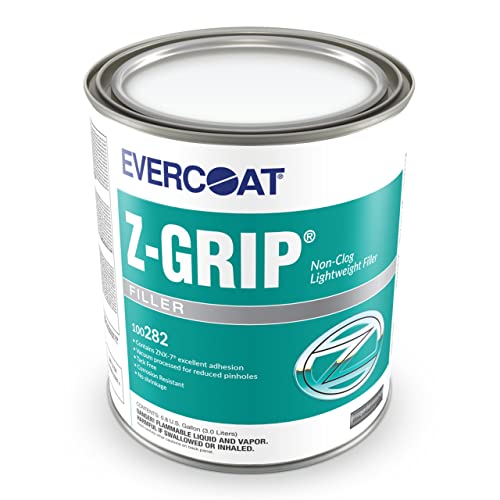
Evercoat Z-Grip is a lightweight body filler formulated for aluminum, fiberglass, and other surfaces. Its Hattonite content reduces heat and friction during sanding, enabling easier work with 80-grit papers. The filler adheres well to galvanized steel and aluminum, making it a versatile option for repairs that demand a smooth, uniform finish with less labor on sanding and finishing steps.
Evercoat Metal-2-Metal Aluminum Reinforced Filler

Metal-2-Metal offers high adhesion for metal surfaces, including aluminum, with strong corrosion resistance and durability. This reinforced filler is designed for repairs in high-stress areas where aluminum components may experience impact and strain. It is suitable for more demanding applications that require a robust, long-lasting repair with reliable sanding and shaping properties as part of a complete aluminum restoration workflow.
Buying Guide: Key Purchase Considerations
- Material compatibility: For aluminum, choose files with rectangular or flat profiles that prevent clogging and provide smooth material removal. Look for double-cut patterns and American pattern types designed for aluminum alloys.
- Tool versatility: If you perform multiple tasks (shaping, smoothing, prep for finishing), combine a flexible body file setup (like the Dura-Gold system) with standalone aluminum files to reach curved surfaces and tight slots.
- Surface preparation vs. repair: For repairs, prioritize fillers (Z-Grip, Metal-2-Metal) with high adhesion and easy sanding, followed by finishing steps to ensure a uniform surface prior to paint or coatings.
- Ease of sanding: Consider fillers with low heat generation and easy sanding properties (e.g., Hattonite-containing formulations) to minimize friction and protect aluminum surfaces during prep.
- Durability and corrosion resistance: For long-term performance on aluminum, select fillers with corrosion resistance and adhesives suited for metal substrates to maintain integrity in challenging environments.
- Tool geometry and access: Long, flat files provide reach for broad areas, while shorter and tapered files help access welds, corners, and slots. Align tool selection with project geometry.
- Maintenance and cleanup: Readily cleanable files and fillers that resist clogging reduce downtime, while easy-sanding fillers speed up the transition from repair to finishing.
- Safety considerations: Wear eye protection and gloves when filing and sanding aluminum, especially when producing fine dust or sharp metal edges. Work in a well-ventilated area when using fillers for fumes or odors.