Whether you’re smoothing rough boards, chamfering edges, or fitting doors, a reliable electric hand planer speeds up projects and improves accuracy. This guide reviews top-performing models, comparing power, depth control, and features to help American woodworkers choose the right tool for their workshop. Below you’ll find five solid options with practical strengths for different tasks, plus a buying guide to evaluate your needs.
| Product | Brand | Cut Width | Power (amps or voltage) | Notable Feature |
|---|---|---|---|---|
| WEN 6534 | WEN | 4-3/8 in | 8 Amp | Up to 32,000 cuts per minute; 16 depth stops |
| DEWALT DCP580B | DEWALT | 2 in | Brushless | 30,000 cuts per minute; cordless |
| SKIL PL201201 | Skil | 3-1/4 in | 6.5 Amp | Clear sightlines with dual chip exhaust |
| Jellas EP01 | Jellas | 3-1/4 in | 7.5 Amp | Dual-dust out system; dual-handle design |
| DNTI 58218 | DNTI | 3-1/4 in | 6.6 Amp | Robust build with steady power |
WEN 6534 8-Amp Electric Hand Planer, 4-3/8-Inch
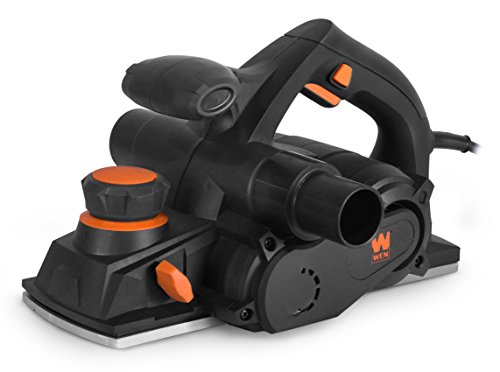
The WEN 6534 offers a powerful 8-amp motor for aggressive stock removal, delivering up to 32,000 cuts per minute. Its wide 4-3/8-inch cutting width makes it suitable for flattening 2x4s and even some 4×4 stock. With 16 positive depth stops, users can set precise depths ranging from 0 to 1/8 inch, aiding accuracy on a variety of projects. A comfortable handle design and dust-collection compatibility improve usability on longer sessions. This model is well-suited for remodeling, cabinetry, and framing work where fast material removal is needed without sacrificing finish quality.
DEWALT 20V MAX Planer, 30,000 Cuts Per Minute, Bare Tool

The DEWALT DCP580B bare tool brings brushless efficiency to a cordless format, enabling planing where a power outlet isn’t convenient. With a high removal rate of up to 30,000 cuts per minute and a maximum depth of cut around 2 mm, it’s ideal for fast edge-smoothing on site or in tight spaces. Users benefit from DEWALT’s renowned durability and compatibility with 20V MAX batteries, enabling flexible, on-the-go planing for cabinetry, trim work, and door fitting. Battery life and weight are considerations for extended use compared with corded models.
SKIL 6.5 Amp Electric 3-1/4 Inch Corded Planer

SKIL’s 6.5-amp planer focuses on practical handling and visibility. The dual chip exhaust keeps your workspace clearer, supporting precise cuts, while the smooth kickstand helps prevent blade contact with finished surfaces during setup and adjustments. The lock-off switch adds a safety layer to prevent accidental starts, making it suitable for hobbyists and professionals who require controlled planing with straightforward maintenance. It’s a balanced option for trim work, door fitting, and general stock flattening.
Jellas Electric Planer EP01, 7.5-Amp

Jellas offers a strong 7.5-amp motor with a 3-1/4-inch planing width and a 33,000 cuts-per-minute rate. The dual-dust out system and dual-handle design support cleaner operation and stable control, especially on longer runs or intricate edge work. Two reversible HS blades enhance material removal efficiency, while a blade protector helps prevent damage to workpieces during transport or adjustments. This model is suitable for detailed joinery, edge profiling, and parallel stock surfacing in workshops with dust-collection setups.
DNTI 6.6-Amp Corded Electric Handheld Planer

The DNTI model emphasizes reliable power with a 6.6-amp motor, designed to tackle a range of woodworking tasks with steady performance. Product listings emphasize robust construction and consistent results, making it a practical choice for beginners expanding into carpentry and more experienced hobbyists needing dependable planing power at a reasonable price. It’s suitable for surface smoothing, chamfering edges, and preparing stock for assembly, where consistent depth removal matters most.
Buying Guide
Key considerations when choosing an electric hand planer include cutting width, motor power, depth of cut, and weight. For larger jobs, choose a model with at least 3-1/4 inches of width and an 6–8 amp motor to remove material efficiently without overheating. If you often work on job sites without easy access to outlets, a cordless model with a reliable battery platform adds flexibility, though weight and runtime can be trade-offs. Depth adjustment should be precise, with clear indicators and positive stops that match typical woodworking steps (e.g., 1/16 inch, 1/8 inch). A dust-management system helps maintain visibility and reduces cleanup, especially inside workshops or cabinets. Safety features like lock-off switches, blade guards, and proper kickstand placement protect both user and material.
Material compatibility and blade type influence finish quality. Reversible or double-edged blades reduce downtime between flips, and carbide or high-speed steel blades handle tough hardwoods differently. Dual-dust ports or dust-collection compatibility improve cleanliness when sanding and joinery project sequences require precision. Weight matters for extended sessions; lighter planers reduce fatigue but can compromise stability on thicker stock. Consider whether you need rabbeting capability, depth stops, or chamfer options, which broaden the tool’s versatility beyond flat planing.
Compare warranties and after-sales support. Reputable brands frequently offer replacement blades, easy maintenance guides, and responsive service that minimize downtime on critical projects. Finally, match your choice to your typical projects—doors and casings benefit from wider planers with deeper maximum cuts, while trim and panel work can be efficiently done with lighter, more maneuverable models. By weighing power, width, depth control, and ergonomics, you can select an electric hand planer that aligns with your workflow, budget, and workshop setup.