Firewood preparation is a seasonal staple, and a reliable log splitter can dramatically cut the time you spend chopping. This guide highlights five top-rated log splitters and related tools that balance power, portability, and safety. Each option emphasizes strong performance for standard logs while offering practical features for weekend warriors and professional use alike.
Summary of selected products:
| Product | Brand | Key Feature | Power Type |
|---|---|---|---|
| SuperHandy Log Splitter Portable 20 Ton | SuperHandy | 7HP gas engine, 20-ton capacity, rapid auto return | Gas |
| BILT HARD Log Splitter 6.5 Ton | BILT HARD | Electric, two-hand safety controls, portable | Electric |
| WEN Electric Log Splitter 6.5 Ton | WEN | 34-inch stand option, high pressure, mobile | Electric |
| ZeHuoGe Log Splitter Portable 20 Ton | ZeHuoGe | Auto return, 20-ton power, portable design | Gas |
| FULL BOAR 28 Ton Log Splitter | FULL BOAR | 212cc engine, 28-ton force, fast cycle | Gas |
Whether you’re dealing with seasoned hardwood or softer pine, the options below cover a range of power sources, portability, and cycle times. Each product is selected for practical value and positive performance characteristics to help you choose the best fit for your wood-cutting needs.
SuperHandy 20-Ton Gas Log Splitter

The SuperHandy 20-ton log splitter combines mobility with substantial splitting force. Its 7HP gas engine drives a 2-stage Bucher hydraulic gear pump, delivering dependable power for logs up to 20 inches long and 16 inches in diameter. Weighing about 130 pounds, it is designed for transport with 10-inch wheels, allowing quick relocation between work sites. A rapid auto-return system helps speed up cycle times, enabling productive sessions even on larger wood piles. The straight, full-beam steel wedge emphasizes stability and consistent cutting performance, making it suitable for forestry or yard cleanup tasks.
Pros: Strong 20-ton capacity, portable with wheels, rapid auto-return, reliable hydraulic system. Cons: Gas engine requires fueling and regular maintenance; larger footprint than compact electric units.
BILT HARD 6.5-Ton Electric Log Splitter

The BILT HARD electric model delivers 6.5 tons of splitting force with a 15-amp motor. It’s designed for efficient wood processing, capable of handling logs up to 20.5 inches long and nearly 10 inches in diameter. The unit features a two-hand safety control system to reduce risk during operation and uses a quiet, emissions-free electric drive. Its portability is enhanced by 5.7-inch transport wheels and a lightweight horizontal full-beam frame, enabling easy movement across various terrains. This model is ideal for home use and smaller yard projects, particularly where ventilation is a concern.
Pros: Quiet and emissions-free, two-hand safety controls, portable. Cons: Electric models require access to a power outlet and may have limited diameter capacity compared to some gas units.
WEN 6.5 Ton Electric Log Splitter With Stand
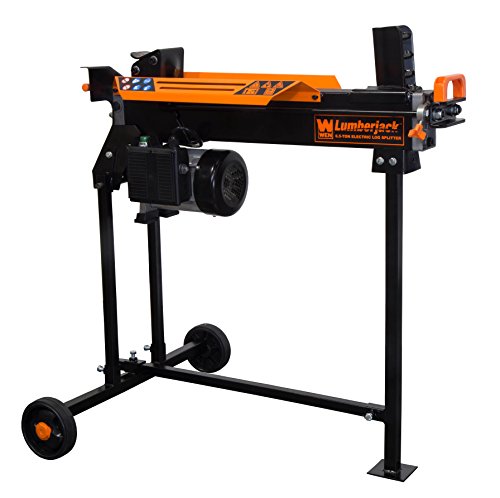
The WEN 6.5-ton electric splitter provides a robust 15-amp motor that pushes more than 13,000 pounds of splitting pressure. It offers flexibility with a 34-inch stand included option for stable operation or a more compact setup without the stand. The device is designed for portability with a pull handle and 5.5-inch never-flat wheels for easier transportation between job sites. This model balances ease of use with solid splitting performance, making it a good choice for homeowners and light-to-medium-duty workloads.
Pros: Strong electric performance, stand option for ergonomics, easy transport. Cons: Electric units may be limited by log diameter and require proximity to power sources.
ZeHuoGe 20-Ton Portable Gas Log Splitter

The ZeHuoGe model mirrors a 20-ton rating with a 7HP gas engine and a 2-stage hydraulic gear pump, emphasizing portability with a horizontal full-beam design and 10-inch transport wheels. It supports Logs up to 20 inches long and 16 inches in diameter and touts an efficient, steady power curve to prevent performance drops during operation. An 8-second cycle time between splits helps complete larger workloads more quickly, which is advantageous for serious yard tasks or small-scale forestry work. This unit is a practical option for users needing power-on-the-go without a trailer or heavy equipment.
Pros: Portable and powerful, quick cycle time, reliable hydraulic system. Cons: Gas engines require fuel, maintenance, and may produce more vibration than electric units.
FULL BOAR 28-Ton Gas Log Splitter

The FULL BOAR 28-ton splitter uses a 212cc engine to deliver a robust splitting force with a cycle time of about 10.9 seconds. Built on a heavy-duty H-beam frame, this model emphasizes durability for frequent use and demanding logs. The auto-return control valve with adjustable detent speeds up repetitive tasks, reducing operator effort during long sessions. This setup is well-suited for homeowners who regularly process large-diameter logs or batches of firewood and require a high-capacity tool that can withstand rigorous use.
Pros: High tonnage for tough logs, fast cycle, durable construction. Cons: Heavier unit requiring more storage space and transportation planning.
Buying Guide: Key Purchase Considerations
- Power source: Gas models offer high mobility and strong splitting force but require fuel, maintenance, and more noise. Electric models provide quieter, emission-free operation and easier maintenance but depend on power availability and have diameter limits.
- Tonnage and log size: Choose based on typical logs you process. 6.5–8 tons is suitable for small-to-medium rounds; 20–28 tons handles larger, harder woods. Check the maximum log length and diameter to ensure compatibility with your firewood stock.
- Cycle time and efficiency: Shorter cycles boost productivity, especially on large batches. Auto-return features reduce downtime between splits and support continuous operation.
- Portability: Consider wheels, handle design, and overall weight. Lighter electric models are easy to move, while gas-powered units offer rugged durability for field use but require more space for storage.
- Safety features: Look for two-handed operation, automatic shutdowns, and sturdy guards. Safety-conscious models reduce the risk of injury during operation.
- Maintenance and service: Gas engines require regular maintenance (oil, spark plugs, filters). Electric units need electrical safety considerations and power supply reliability. Availability of replacement parts can affect long-term value.
- Setup and space: Assess how the splitter fits into your yard, shed, or workshop. Stand-alone rails or stands may improve ergonomics for extended sessions.
- Warranty and support: A solid warranty and accessible customer support help address potential issues after purchase.
- Environmental considerations: Electric models are typically better for indoor or residential use due to lower emissions and noise.
By evaluating these factors against your typical wood-cutting workload, you can select a model that balances power, portability, and cost. For frequent heavy-duty use, gas-powered full-size splitters may deliver the best value. For lighter, home-based wood processing, electric models can be more attractive due to lower operating costs and simpler maintenance.