cordless hand planers offer mobility and convenience for trimming, edge-shaving, and smoothing without dragging a cord across the shop. This guide highlights five popular cordless hand planers compatible with major 20V systems, outlining key features, performance notes, and practical buying considerations for American woodworkers, DIY enthusiasts, and professionals. Each entry includes a quick reference to help you compare at a glance.
| Product | Brand | Typical Depth Of Cut | Motor Type |
|---|---|---|---|
| DEWALT 20V MAX Planer | DEWALT | 2 mm | Brushless |
| WEN 6530 | WEN | 0 to 1/8 inch | Electric |
| RYOBI ONE+ 18V Planer P611 | RYOBI | 2 mm | Electric (tool-only) |
| Mayoki Cordless Hand Planer | Mayoki | 0 to 2 mm | Brushless |
| Luxter 20V Planer | LUXTER | 0 to 2 mm | Brushless |
DEWALT 20V MAX Planer — Brushless Power

The DEWALT DCP580B is a bare tool designed for users who already own DEWALT 20V Max batteries. It features a brushless motor for improved efficiency and runtime, delivering up to 30,000 cuts per minute for fast material removal. The maximum depth of cut is 5/64 inch (2 mm), enabling precision shaping on trim work and rebates. Its compact build suits working along edges and in tight spaces. Battery compatibility helps streamline tool kits for contractors and serious hobbyists.
WEN 6530 6-Amp Electric Hand Planer
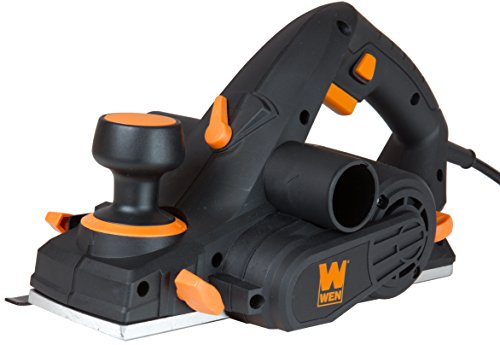
The WEN 6530 delivers a practical corded option with a 6-amp motor that spins at up to 34,000 cuts per minute. It offers 16 positive depth stops, enabling precise adjustments from 0 to 1/8 inch. A 5/16 inch rabbeting guide supports simple rabbeting tasks, making this tool versatile for door edging, edge trimming, and light cabinet work. While not cordless, its portability within a workshop remains a strong point for many users with easy access to power outlets.
RYOBI ONE+ 18V Cordless Planer P611 (Tool Only)

The RYOBI P611 is a cordless option in the ONE+ ecosystem (tool-only), designed for light to moderate planing tasks. It emphasizes compatibility with existing 18V batteries from the RYOBI line, offering flexibility for multi-tool users. While the product description here centers on the cordless format, users should verify battery availability and runtime for extended sessions. It’s suitable for edge smoothing and small-scale cabinetry adjustments in DIY settings.
Mayoki Cordless Hand Planer — 3-1/4 Inch

The Mayoki cordless planer is designed to work with common DeWalt 20V batteries, providing a 3-1/4 inch planing width and a brushless motor rated up to 16,000 RPM. It features a precision depth adjustment mechanism, with depth control suitable for fine material removal. Built for portability and balanced handling, it suits trim work, edge finishing, and detail work in small workshops or field projects where battery-powered operation is preferred.
Luxter 20V Planer — 3-1/4 Inch
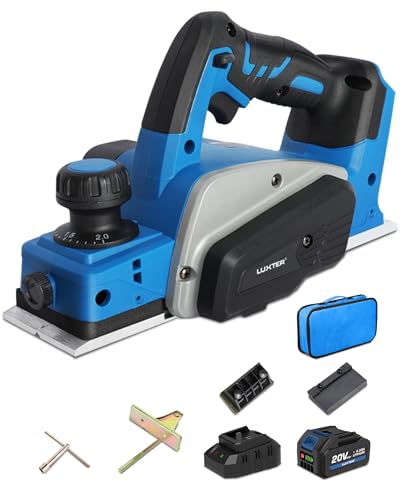
Luxter’s 20V cordless planer offers a 3-1/4 inch cutting width and a 15,000 RPM brushless motor for solid performance in DIY and professional settings. The model includes a wide cutting depth range from 0 to 2 mm, enabling precise material removal for door fitting, edge smoothing, and fine cabinetry tasks. It is pitched as part of the 20V ecosystem with compatibility considerations for existing battery inventories and chargers.
Buying Guide
When choosing a cordless hand planer, consider these key factors to ensure the best fit for your projects:
- Battery compatibility and runtime: Cordless planers rely on batteries. Check whether the tool is sold as a bare tool or tool-only, and confirm compatibility with your existing battery platform to avoid unnecessary purchases.
- Cut depth and width: Most hand planers offer 0 to 2 mm (approximately 1/32 to 1/16 inch) cuts with a 3-1/4 inch planing width. For door installations, edge finishing, or smoothing larger surfaces, ensure the device supports the required depth and width.
- Motor type and speed: Brushless motors improve efficiency and runtime, but may come at a higher price. For dense hardwood or frequent use, higher RPM and torque provide smoother cuts and better finish quality.
- Depth adjustment accuracy: Look for precise, easily adjustable depth controls. A fine adjustment range (down to 0.01 mm if possible) helps with precise material removal and consistent results across projects.
- Dust collection and ergonomics: A well-designed dust port reduces debris buildup and improves visibility. Ergonomics matter for extended sessions; a balanced tool with comfortable handles reduces user fatigue.
- Accessory ecosystem: Some models support rabbeting guides or auxiliary attachments, expanding versatility for rabbets, edge profiles, and cabinetry tasks.
- Portability versus power: Cordless models offer mobility; however, they may trade some sustained power for longer sessions. Corded options provide continuous power, useful for larger jobs or when battery life is a concern.
In summary, the best cordless hand planer for you depends on whether you prioritize battery versatility, a compact build, or maximum planing depth and speed. Users invested in a specific tool ecosystem should weigh compatibility with their existing batteries and chargers to optimize their shop setup.