For woodworkers seeking clean, precise dovetail joints and detailed joinery, a capable coping saw or dovetail saw is essential. This guide highlights five highly regarded tools that balance precision, ease of use, and durable construction. Each option covers different styles—from Japanese pull saws to traditional frame saws—helping you choose the right tool for your project and blade needs.
| Product | Brand | Type | Notable Feature |
|---|---|---|---|
| SUIZAN Dozuki Dovetail Saw 6″ Crosscut | SUIZAN | Japanese Pull Saw | Lightweight, razor sharp cuts |
| JORGENSEN Pro Coping Saw | Jorgensen | Coping Saw | Extra blades included; quick blade changes |
| IRWIN Dovetail Saw, 10-Inch | IRWIN | Dovetail Saw | Spring-loaded, reversible blade; ergonomic handle |
| SUIZAN Folding Dozuki Dovetail Saw 9.5″ | SUIZAN | Folding Japanese Pull Saw | Portable folding design; Japanese steel |
| Temple Tool Co. Japanese Pull Saw – Rip-Cut 9.5″ | Temple Tool | Japanese Pull Saw | Rip-cut teeth for fine joinery and tenons |
Note: Each product offers distinct advantages—ranging from classic coping saw frames to precise Japanese pull saws—allowing you to select a tool that best fits your material, cut type, and comfort level.
SUIZAN Dozuki Dovetail Saw 6″ Crosscut

The SUIZAN Dozuki Dovetail Saw is a professional Japanese pull saw designed for fine joinery. It uses top-quality Japanese steel to deliver razor-sharp cuts, reducing effort and producing clean miters. Made in Japan by craft-focused makers, this saw emphasizes precision and durability, ideal for dovetails and other intricate cuts. The pull-stroke cutting action yields a narrow kerf and minimal fatigue, making it suitable for long sessions of detailed work.
JORGENSEN Pro Coping Saw
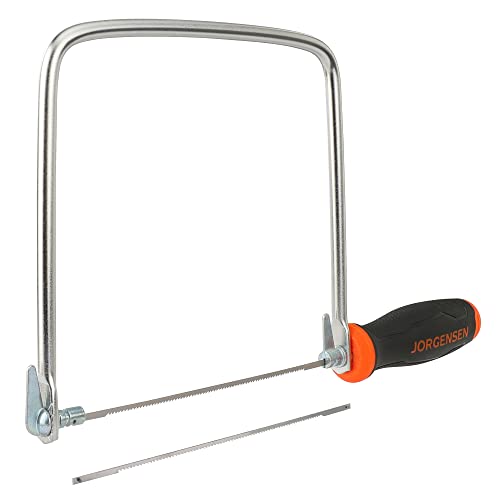
The Jorgensen Pro Coping Saw features a robust 6-1/4″ frame depth with a 6-1/2″ blade length and a lightweight 9.3 oz design. It includes a 15TPI blade for faster and more precise cuts, plus two replacement blades for extended projects. Blade installation is tool-free and quick—just turn the handle to swap blades, making it convenient for outdoor or workshop use. This saw excels at cutting shapes, curves, and detailing in wood, plastic, rubber, and soft metals.
IRWIN Dovetail Saw, 10-Inch

IRWIN’s Dovetail Saw provides a spring-loaded, reversible blade for left- or right-cutting and an ergonomic ProTouch handle designed for prolonged use. The wide-body flush-cut blade measures 50 mm, supporting stable and accurate dovetail and general joinery work. This saw blends traditional design with modern comfort, suitable for both beginners and seasoned woodworkers focused on precise joinery and clean finishes.
SUIZAN Folding Dozuki Dovetail Saw 9.5″

This folding version from SUIZAN combines the benefits of a Japanese Dozuki with portability. The saw employs razor-sharp Japanese steel and folds for safe storage, making it ideal for where space is limited or for field work. The pull-cut design remains effective for tight dovetails and precise joinery, delivering clean edges with minimal effort. Folding capability helps keep edges protected during transport and storage.
Temple Tool Co. Japanese Pull Saw – Rip-Cut 9.5″

The Temple Tool Japanese pull saw is designed for rip cuts and dovetails. It features a dark wood handle with brass fittings, combining aesthetics with solid performance. The pull-cut action yields thin kerf cuts, enabling precise joinery while reducing binding. This saw is well-suited for both professional work and hobby projects that require clean, nuanced joinery and a tactile cutting experience.
Buying Guide: Key Purchase Considerations
- Cutting action: Japanese pull saws work on a pulling action, typically yielding thin kerf and clean edges, while traditional coping saws use a push or frame-based approach. Consider which cutting style aligns with your technique and comfort.
- Blade geometry and material: High-quality steel blades—often Japanese steel—offer sharper edges and longer life. Look for blades with appropriate TPI (teeth per inch) for your material and cut type; finer teeth for dovetails, coarser for rapid rough cuts.
- Frame design and depth: For coping saws, deeper frames reduce blade interference during curves or hollowing. Dovetail and pull saws rely on blade tension and frame stability; ensure the tool provides secure tensioning and comfortable grip.
- Blade interchangeability: Tools that allow tool-free blade changes save time, especially when switching between materials (wood, plastic, metal). Confirm compatibility with extra blade sets you already own.
- Portability and storage: Folding or compact designs are beneficial for fieldwork or tight workspaces. Consider whether you need a portable option for job sites or a stationary workshop setup.
- Made in and craftsmanship: Saws manufactured in regions with a tradition of toolmaking (e.g., Japan) often reflect craftsmanship and precision. This can influence finish quality, blade sharpness, and longevity.
- Ergonomics and comfort: Handles with ergonomic grips reduce fatigue during long dovetail sessions. Prolonged use benefits from well-balanced tools and comfortable, non-slip grips.
- Intended projects: For intricate dovetails and fine joinery, finer blades and pull-cut saws can deliver better control. For larger, decorative cuts or frame work, broader blades with higher tension may be preferable.
Across these options, each tool targets distinct user needs—from professionals performing intricate dovetails to hobbyists seeking easy blade swaps and portable solutions. When choosing, balance precision requirements with comfort, blade availability, and storage preferences to maximize results in your dovetail projects.