Answering the top buyer question: these cold-cut circular saws are designed to cut metal with minimal heat, burrs, and sparks. They’re best for fabricators, welders, and workshop professionals who need clean, accurate cuts without warping or burning edges. The following picks emphasize dry-cut, burr-free finishes, and strong durability. Below, each product section explains who it’s best for, plus practical pros and limitations to help you decide.
| Product | Best For | Why It Stands Out |
|---|---|---|
| Evolution S210CCS | Industrial fabrication teams | High torque, burr-free steel cuts, robust chip collection |
| Evolution S185CCSL | Lightweight daily-use metal cuts | Lightweight with cool, clean steel cuts |
| DEWALT DCS373B | Cordless flexibility on site | Strong cordless metal cutting with LED visibility |
| SKILSAW OUTLAW SPT78MMC-01 | Heavy-duty exposure to metal work | Worm-drive gearing for aggressive cuts and chip management |
| DEWALT DCS590B | Compact, portable metal cuts | Powerful 20V cordless with deep cut capability |
Evolution S210CCS Metal Cutting Circular Saw
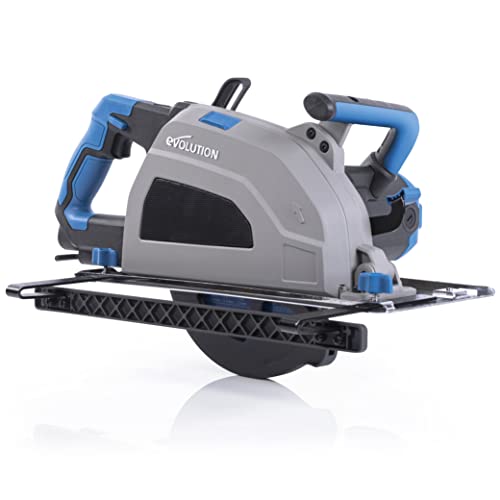
Best for heavy-duty steel cutting jobs in fabrication shops. The Evolution S210CCS uses an advanced TCT blade to deliver clean, burr-free cuts in mild steel with no heat or sparks. Its high-torque motor supports cutting through 1/2″ thick steel plates, enabling all-day industrial performance. The integrated chip collector captures debris efficiently, reducing cleanup time and keeping the work area safer. Choose this when you need long, consistently cool cuts with minimal post-processing. A potential limitation is the need for blade compatibility with heavy steel tasks; verify blade type for your material.
Evolution S185CCSL
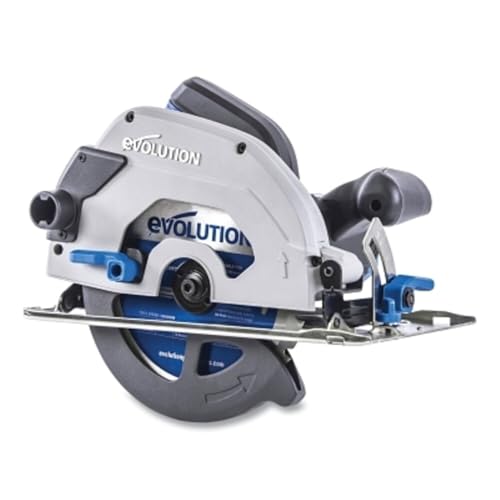
Best for all-day use with lighter weight and strong steel cuts. The S185CCSL runs a 15 Amp motor for fast, cool-to-the-touch cuts in mild steel, assisted by a 7-1/4″ TCT blade and 45° bevel capability. It’s one of the lighter options in its class, reducing fatigue during overhead or repetitive tasks. The tool is favored for clean, burr-free finishes suitable for welding edges. A consideration: while lighter, it may have less raw depth than larger models, so verify the material thickness you regularly cut.
DEWALT DCS373B 20V Max Metal Cutting Circular Saw

Best for on-site, cordless metal cutting where power outlets are limited. The DCS373B delivers strong performance with a 460 MWO motor equivalent and a 5-1/2″ carbide blade for clean cuts through metal. Its bright LED helps visibility of the cut line, especially in tight spaces. Best for contractors needing quick, portable metal cuts with reliable performance. Limitation: as a cordless tool, runtime depends on battery capacity, which may affect longer jobs without battery swaps.
SKILSAW OUTLAW SPT78MMC-01

Best for aggressive metal cutting with maximum chip management. The Worm Drive design on the Outlaw model provides high torque and control for demanding metal-cutting tasks. Its metal chip tray holds significantly more chips than standard saws, reducing downtime for cleaning. The blade window improves visibility for precise cuts. Consider this if you regularly cut thick metal and value continuous debris management; it may be heavier and less portable than compact cordless options.
DEWALT 20V MAX XR Cordless 7-1/4 in. Circular Saw (Tool Only) DCS590B

Best for portable metal cutting with long battery life. The DCS590B features a brushless motor delivering up to 5,500 RPM and a deep cut capability suitable for many metals. This cordless option balances power and mobility, making it ideal for tasks away from power outlets. One limitation is battery management; plan for extra packs for extended jobs to avoid runtime interruptions.
Buying Guide: Key Purchase Considerations
- Cutting depth and material compatibility: Check the max cutting depth at 90° and whether the blade type is optimized for mild steel or stainless steel.
- Power source: Corded models offer consistent performance, while cordless options increase portability. Consider job site access to power and expected runtimes.
- Blade quality and availability: Look for blueprinted blades with a high tooth count for clean, burr-free finishes. Ensure easy blade changes, especially on busy jobsites.
- Motor torque and speed: Higher torque supports thicker metals; higher RPM yields faster cuts but can increase heat if not managed with a sharp blade.
- Chip management: A built-in chip tray or dust collection reduces cleanup time and helps maintain a clear work area.
- Weight and ergonomics: Lighter tools reduce fatigue in overhead or long-use scenarios. Balance weight with cutting depth for your typical tasks.
- Bevel options: If you need angled cuts, verify the bevel range and positive stops to simplify setup.
FAQ
- What is a cold cut circular saw? A cold cut saw is designed to cut metal with minimal heat buildup, reducing burrs and sparking during the process.
- Are these saws safe for everyday metal fabrication? Yes, when used with proper safety equipment and blades designed for metal cutting. Follow manufacturer guidelines for blade speed and material compatibility.
- Should I choose corded or cordless? Corded saws provide consistent power for longer tasks; cordless models offer portability for on-site work with power constraints.
- Do these saws require special blades? Yes. Use blade types specified for metal cutting, typically carbide-tipped or TCT blades designed for metal.
- Is bevel cutting important for metal? Bevel capacity is helpful for custom angles in fabrication; verify the degree range and locking positions on your chosen model.
- What maintenance helps longevity? Clean the chip collection area, check blade alignment, and replace worn blades promptly to maintain clean cuts.