Choosing the right bullet seating die is essential for achieving concentric ammunition with consistent seating depth. This guide highlights five top options that cover a range of calibers and reloading setups, focusing on micrometer adjustments, seating precision, and compatibility with common presses. The products below are widely used by reloaders who demand repeatable results and reliable performance in both competition and general practice shooting.
Product Snapshot
| Product | Brand | Key Benefit | Caliber Range |
|---|---|---|---|
| Universal Bullet Seating Die | Frankford Arsenal | Integrated micrometer for precise depth adjustments | .224 – .338 |
| Competition Micrometer Seating Die | Redding | Precise .001″ micrometer adjustment | Handgun calibers, e.g., 9mm, .38/.357 |
| MatchMaster Competition Seat Die | RCBS | Free-floating, self-centering seating with micrometer | Common rifle calibers |
| Competition Micrometer Seating Die | Redding | Concentricity-focused seating for 6.5 Creedmoor | 6.5mm Creedmoor |
| Competition Seating Die Series | Redding | Separate seating with precise alignment | 9mm/.38 Special and more |
Below are five carefully selected options that emphasize precision, adjustability, and compatibility with popular reloaders. Each product section includes a brief overview, key features, and considerations to help you decide which die best suits your reloading workflow.
Frankford Arsenal Universal Bullet Seating Die
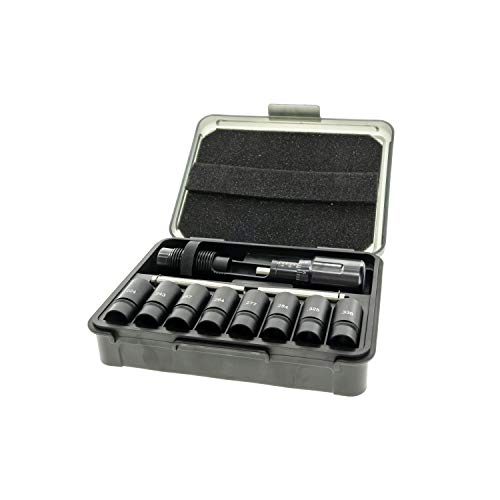
Designed for a wide caliber range from .224 to .338, this die features a built-in micrometer that allows precise seating depth adjustments. The seating mechanism holds the bullet in place during seating, helping to maintain concentricity and consistent overall cartridge length. With its standard 7/8 x 14 thread, it fits common reloading presses. This option is ideal for shooters who want one die to cover multiple rifle calibers without sacrificing seating accuracy.
Redding Competition Durable .001″ Adjustable Micrometer Bullet Seating Die for Handgun

This die is engineered for handgun calibers, notably 9mm Luger, with a patented system that biases the bullet into alignment before seating. The micrometer is graduated in .001″ increments for precise depth control, and the design emphasizes maintaining alignment as the bullet and case move upward. It is well-suited for competition scenarios where tiny adjustments can impact accuracy and consistency across many rounds.
RCBS MatchMaster Competition Seat Die

The RCBS MatchMaster seating die features a free-floating, self-centering seating design with a micrometer adjustable seater and a dedicated bullet loading window with a retaining system. This setup helps ensure precise seating depth and minimal run-out, which is beneficial for match-grade reloading. The emphasis on easy bullet entry and alignment can improve throughput on progressive presses while maintaining precision.
Lee Precision 91181: Bullet Seating Die 9Mm Lug

This seating die is designed specifically for handgun ammunition, offering two crimp shoulders with the first shoulder applying a slight taper crimp. The seating die-only configuration allows for dedicated seating depth adjustment without integrated crimping, which can be advantageous for loaders who prefer separate crimping steps or who want to fine-tune seating before applying any crimp in a separate operation.
Redding Competition Durable .001″ Adjustable Micrometer Bullet Seating Die for 38 Special/357 Magnum
This die addresses concentricity and precision concerns common with seating dies. The micrometer is calibrated in .001″ increments to simplify setup, and the seating stem is engineered to closely match bullet diameter, promoting consistent seating depth and alignment as the bullet and case ascend during seating. It is particularly suited for handgun rounds like .38 Special and .357 Magnum that benefit from tight tolerances.
Redding RELOADING 9mm Luger Pro Series Bullet Seating Die
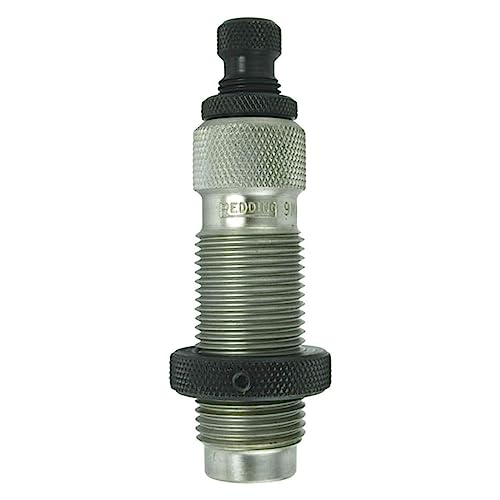
The Pro-Series Seat Die is designed for use with progressive presses and incorporates a large mouth radius to ease case entry. It emphasizes seating-only functionality, with separate crimping recommended for later steps. This design supports efficient operation on multi-station setups while preserving high seating accuracy and compatibility with various 9mm loads.
Lee Precision 91187: Bullet Seating Die 40S&W/10Mm

This seating die is configured for handgun rounds such as 40 S&W and 10mm, with two crimp shoulders and a seating-only design that helps loaders apply precise seating depth prior to any crimping operation. It is a compact option well-suited for single-caliber setups or reloaders who prefer a dedicated seating step before crimping.
Redding Competition Durable .001″ Adjustable Micrometer Bullet Seating Die for 6.5MM Creedmoor
Note: This listing emphasizes the competition-grade design with a focus on concentric seating and precise alignment. The micrometer adjustment allows precise control over seating depth, and the die construction aims to minimize run-out to achieve clean, consistent cartridge dimensions across 6.5 Creedmoor and similar calibers. Loading enthusiasts who shoot precision rifle may prefer this setup for its repeatable results.
Buying Guide: Key Purchase Considerations And Comparisons
When selecting a bullet seating die, consider the following factors to match your reloading goals and equipment:
- Caliber compatibility: Ensure the die covers your primary calibers or that you can pair it with a universal die for multiple rounds.
- Seating precision: Micrometer vs. adjustable stem options provide different levels of control. .001″ increments are common for competition-grade dies.
- Concentricity features: Die design that minimizes run-out and maintains alignment between bullet and case improves consistency across batches.
- Crimping approach: Some seating dies include built-in crimping; others separate seating from crimping. Decide which workflow suits your press and preferred reloading sequence.
- Press compatibility: Check thread size (commonly 7/8 x 14) and whether the die fits your press type (single-stage, turret, or progressive).
- Ease of use: Features such as a bullet retention mechanism, a loading window, and a self-centering design can affect throughput on a busy reloading bench.
Comparing top options shows a balance between universal applicability and caliber-specific precision. A universal die with a micrometer is convenient for shooters reloading several rifles, while competition-grade dies emphasize extreme consistency and concentricity, often at a higher price. For handgun-focused reloading, dies designed for 9mm/38 Special and similar calibers tend to emphasize easy bullet entry and stable seating depths. On progressive presses, dies with separate seating and crimping, or specialized seating windows, help maintain workflow efficiency without sacrificing accuracy.