Searching for a reliable yet affordable wood planer? This guide highlights budget-friendly options that deliver solid performance for DIY projects and hobbyist woodworking. The selections feature sturdy bodies, adjustable depths, and capable blades to handle trimming, smoothing, and edge-work. Compare compact mini planes to full-size benchtop models to find the best fit for your workshop space and project load.
| Product | Brand | Notes |
|---|---|---|
| JORGENSEN 3.5″ Mini Wood Planer | Jorgensen | Compact, adjustable depth, ductile iron body |
| JORGENSEN No.60-1/2 6-1/4″ Wood Planer | Jorgensen | Low-angle, adjustable mouth, rugged deck |
| VEVOR Power Benchtop Planers | VEVOR | Three-knife cutter, two speeds, extended infeeding |
| Amazon Basics Woodworking Hand Planer | Amazon Basics | Budget-friendly, cast iron body, practical grip |
| DNTI 6.6amp Electric Handheld Planer | DNTI | Corded, compact power for quick tasks |
Below are five budget-friendly picks that balance cost with dependable performance for common woodworking tasks. Each product section includes a quick spec snapshot, what to expect in use, and key considerations to help you decide which model suits your shop best.
Jorgensen Mini Wood Planer – Compact, Durable Trimming Tool

The Jorgensen 3.5″ Mini Wood Planer provides a compact option for detailed trimming and edge work. Its ductile iron body supports rugged use, while the professional-level O1 tool steel blade promises efficient cuts with reduced wear. An adjustable depth knob lets you set precise depths for delicate shaping or shallow passes, and the steel and zinc alloy components contribute to long-lasting performance in a small package. This mini plane is well-suited for hobbyists who frequently work with trim passes and fine joinery in tight spaces.
Jorgensen No.60-1/2 6-1/4″ Wood Planer – Low-Angle Precision

This Jorgensen model offers a low-angle design with an adjustable mouth and a sturdy ductile iron body. The blade is a professional-grade O1 tool steel, designed for clean, precise shavings and extended blade life with sharpening. The adjustable mouth and depth control provide versatility for face work, edge smoothing, and detail planning. It’s a practical upgrade for woodworkers who regularly need consistent cuts across varied stock widths and thicknesses.
VEVOR Power Benchtop Planer – 13″ Width, Three-Knife Cutter
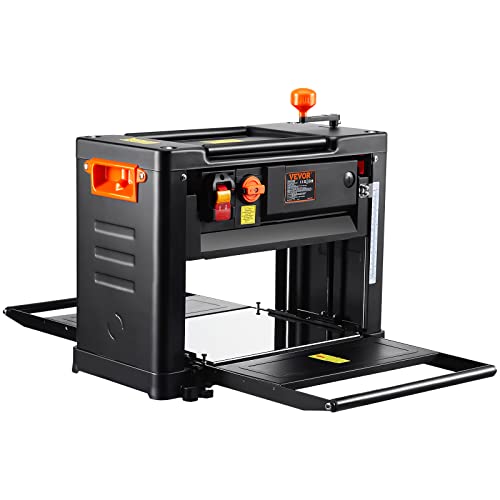
VEVOR’s Power Benchtop Planer features a 13″ wide table, a three-knife cutter head, and two speeds for versatile material removal. The precision-cast iron bed helps keep boards flat, while the higher hardness after quenching supports durability for longer service life. The dual-speed option assists in choosing faster passes for rough stock or slower, smoother passes for finished surfaces. A foldable stand and extended bed add workspace flexibility, especially for larger projects or limited shop space.
Amazon Basics Woodworking Hand Planer – Budget Bench Plane

The Amazon Basics Hand Planer offers a straightforward, budget-friendly option with a cast iron body for stability and an impact-resistant handle for comfortable operation. The steel blade provides reliable cuts suitable for smoothing and trimming tasks. This model serves well for beginners or casual hobbyists who need a dependable tool without extra features or high maintenance demands, while still delivering consistent results on standard stock sizes.
DNTI 6.6 Amp Corded Electric Handheld Planer

The DNTI 6.6A corded planer emphasizes power and compactness, with a portable design suited to quick material shaping and edge trimming. It touts a 0.08-inch depth capability for precise material removal and a robust build that can handle frequent use in small to medium projects. This model appeals to woodworkers who need a reliable, no-fruss, power tool option that fits into smaller workshops without sacrificing cutting effectiveness.
VEVOR Thickness Planer – 13-Inch, 2000W
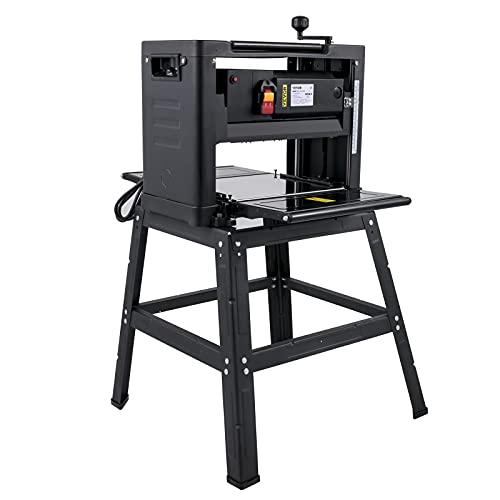
The VEVOR Thickness Planer combines high power with a foldable bench stand and dust-exhaust features, making it a strong choice for dedicated workshop use. It offers a 13″ maximum width, a robust 2000W motor, and a configurable planing depth. This model is designed for users who process larger boards or need efficient, repeatable planing across longer sessions, with convenient portability and storage options when not in use.
Buying Guide: Key Considerations For Your Budget Planer
- Planer width and depth: Choose a width that matches your common stock size. Wider boards offer more versatility, but compact models excel at trim work and small projects.
- Blade system: Look for tools with durable blades (steel or carbide) and options to sharpen or replace blades easily. A dependable blade reduces tear-out and improves finish quality.
- Cutting depth and speed: Adjustable depths let you control removal per pass. Dual-speed or variable feeds can balance speed and surface finish depending on the material.
- Bed and table construction: Cast iron beds reduce deflection and keep boards flat. A solid worktable or extensions improves support for longer stock.
- Portability vs. capacity: Mini planes are light and precise for detail work; benchtop or floor-model planers handle larger jobs but require more space and setup.
- Dust management: Dust collection or exhaust features help maintain a clean workspace and improve air quality during planing.
- Maintenance and parts: Consider availability of replacement blades, grit, and parts. A model with widely available components reduces downtime.
- Power source and safety: Corded options provide constant power, while cordless models offer mobility. Use appropriate PPE and follow safety guidelines during operation.
When selecting a budget planer, identify your typical stock dimensions, preferred work area, and how often you plan to use the tool. Mini models excel at precision trimming and tight spaces, whereas benchtop planers support broader stock processing and thicknessing. Balancing power, durability, and upgrade potential helps ensure the tool remains useful as your woodworking ambitions grow.