Finding a capable yet affordable reciprocating saw can be challenging. This guide highlights five budget-friendly options that balance cutting power, versatility, and weight. Whether you’re tackling wood, metal, or remodeling tasks, these tools provide reliable performance without breaking the bank.
Summary of chosen products
| Product | Brand | Key Feature |
|---|---|---|
| DEWALT 20V MAX XR Reciprocating Saw, Compact | DEWALT | Compact, lightweight, extended runtime |
| BLACK+DECKER 20V MAX POWERCONNECT Reciprocating Saw | BLACK+DECKER | Versatile with pivoting shoe and variable speed |
| DEWALT 20V MAX Reciprocating Saw (DCS380B) | DEWALT | High-speed, tool-free blade changes |
| DEWALT ATOMIC 20V MAX Reciprocating Saw | DEWALT | One-handed use, lighter, brushless motor |
| BLACK+DECKER 20V MAX Cordless Reciprocating Saw Kit | BLACK+DECKER | Kit version with blade changes and control |
DEWALT 20V MAX XR Reciprocating Saw, Compact

The DEWALT DCS367B is a compact, bare-tool option designed to fit tight spaces between studs while offering meaningful runtime. At about 5 pounds, this model reduces fatigue during longer cutting sessions. The compact 14.5-inch length makes it practical for demolition, remodeling, and cabinetry work where a larger tool would be unwieldy. The XR platform supports extended battery life and durable performance, making it a strong candidate for budget-conscious pro and DIY users seeking dependable DEWALT reliability.
Key features include a lightweight build, a 1-1/4 inch stroke length, and a design aimed at balance between maneuverability and cutting speed. While the tool is bare, it pairs well with DEWALT’s 20V MAX lineup for flexible battery options. Users appreciate the ability to switch blades quickly and work in confined spaces where larger reciprocating saws won’t fit. For general framing, drywall, and small demolition tasks, this compact model provides solid value.
GALAX PRO 120V Reciprocating Saw

Note: This option appears in the broader market as a corded model with a 6.0 amp motor. It delivers up to approximately 3000 SPM and offers a 4/5″ stroke length, which supports efficient cutting across wood, metal, and PVC piping. The tool-free blade change and adjustable shoe design add practical versatility for a budget-conscious shop. It’s a solid pick for homeowners who want reliable corded performance without the higher price tag of premium brands, especially when frequent cutting is anticipated in wood and light metal tasks.
DEWALT 20V MAX Reciprocating Saw (DCS380B)

The DCS380B is a high-speed choice within the DEWALT 20V ecosystem, featuring 0-3000 SPM variable speed for fast cutting and precise control. It employs a 1-1/8-inch stroke length, which translates to aggressive metal and wood cutting. A 4-position blade clamp supports flush cutting and better access in tight angles. For budget-minded users who want faster cutting and versatile blade placement, the DCS380B provides a compelling balance of speed, ease of blade changes, and compatibility with DEWALT’s 20V lineup.
DEWALT ATOMIC 20V MAX Reciprocating Saw (DCS369B)

The DCS369B emphasizes one-handed operation with a compact 12.5-inch profile and a lighter frame, about 37% lighter than some larger models in the line. Its brushless motor increases efficiency and durability, which translates to longer tool life per battery charge. For projects requiring overhead or handheld cutting, the Atomic model offers a favorable mix of control, reduced fatigue, and modern efficiency without stepping into premium pricing.
BLACK+DECKER 20V MAX Cordless Reciprocating Saw Kit (BDCR20C)

This kit from BLACK+DECKER combines cordless convenience with practical features like tool-free blade changes and a pivoting shoe for versatile control. The kit typically includes batteries and a charger, making it a compelling value for those starting a tool collection or upgrading from a corded model. The variable speed trigger helps tailor the cutting pace to materials like wood, drywall, and plastics, enhancing overall control and safety during operation.
BLACK+DECKER 20V MAX PowerConnect Reciprocating Saw (BDCR20B)
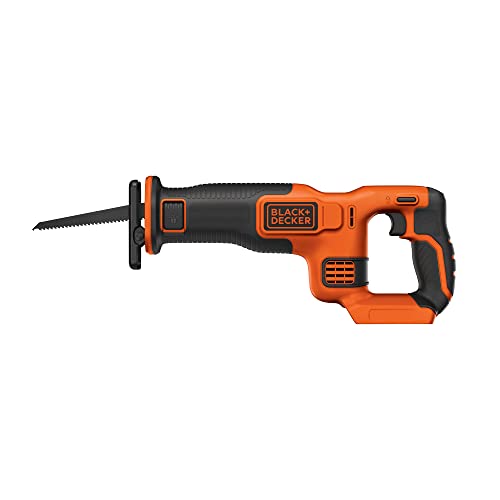
The BDCR20B focuses on versatility with a robust variable-speed trigger (up to around 3,000 SPM) and a pivoting blade shoe to maintain control as you adjust cutting angles. It’s designed for quick blade changes and straightforward operation, making it suitable for DIY remodels, roofing sub-t tasks, and utility work where a reliable cordless option is preferred. This model pairs well with other BLACK+DECKER 20V tools for a cohesive, budget-friendly toolkit.
Buying Guide: Key Considerations for Budget Reciprocating Saws
- Power source: Decide between cordless (battery) and corded. Cordless models offer mobility but rely on battery life; corded models deliver constant power for longer sessions but limit portability.
- Power and speed: Look for a motor with at least 4-6 amps for corded units or a brushless motor in cordless models for efficiency. Variable speed helps tailor the cut to different materials.
- Stroke length and speed range: A longer stroke can improve aggressive cutting in wood, while a shorter stroke excels in metal. A range allows better control across materials.
- Blade changes: Tool-free blade changing saves time and reduces frustration during jobs that require frequent blade swaps.
- Weight and balance: Lighter tools reduce fatigue on overhead or extended use. Consider front-to-back dimensions to ensure the tool fits your work environment.
- Ergonomics: A comfortable handle shape and accessible throttle (or trigger) improve precision and reduce hand strain during long tasks.
- Accessories: Kit options with extra blades, batteries, and a charger add value, especially for beginners expanding a tool set.
- Compatibility: If you already own a brand’s cordless system, sticking with the same line can maximize battery compatibility and value.
- Durability: Brushless motors in mid-priced models can extend tool life and efficiency, reducing maintenance costs over time.
When evaluating these budget options, balance immediate project needs with long-term use. Cordless variants emphasize flexibility, while corded models often offer consistent power for heavy-duty tasks. Blade compatibility, weight, and ease of blade changes are practical factors that impact daily performance. By reviewing the listed features and intended use, you can select a reciprocating saw that aligns with your typical projects and budget constraints.