For contractors, landscapers, and serious DIYers, a reliable bow saw can make quick work of branches, logs, and brush. This article highlights five top picks designed for demanding outdoor work. Each option balances blade strength, frame durability, and user comfort to help you choose the right tool for pruning, trimming, or felling tasks. Read on to compare features, benefits, and practical tips for choosing the ideal bow saw for your projects.
| Product | Brand | Key Features |
|---|---|---|
| Bahco 10-24-23 Bow Saw | Bahco | Ergo handle, high blade tension, knuckle protection |
| Bahco 332-21-51 21″ Bow Saw | Bahco | Compact, ideal for tight spaces, versatile pruning |
| GreatNeck BB24 Bow Saw | Great Neck | Tubular steel frame, quick blade changes, durable chrome blade |
| Truper AJT-21 Bow Saw | Truper | Cam-lever tension, field-ready, 21″ length |
| Bahco 10-30-23 30″ Ergo Bow Saw | Bahco | Long reach, designed for green wood, tough environments |
Bahco 10-24-23 Bow Saw With Ergo Handle
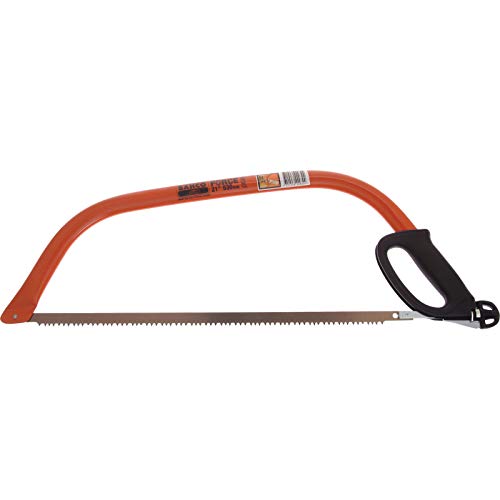
The Bahco 10-24-23 Bow Saw combines rugged construction with an ergonomic handle and safety features. Its tensioning mechanism enables high blade tension for straighter cuts, which reduces binding and enhances efficiency when trimming branches or cutting through seasoned wood. The knuckle-protecting ergonomic handle provides comfort during prolonged use, helping prevent hand fatigue on longer jobs. This model is well-suited for construction-site environments where durable tooling is essential and cutting accuracy matters on irregular limbs.
Bahco 332-21-51 21 Inch Pointed Nose Bow Saw

This 21-inch Bahco bow saw is designed for around-the-house and professional pruning work, with a pointed nose that excels in tight spaces. The compact size makes it easy to maneuver between branches without sacrificing blade strength. Its versatile design supports cutting in confined areas, making it a practical choice for pruning shrubs, small trees, and roofline clearance. The blade geometry supports clean, efficient cuts, particularly when access is restricted or when precise alignment is required.
GreatNeck BB24 Bow Saw 24″

The GreatNeck BB24 features a tubular steel frame for lasting strength and a freshly designed blade tightener for quick, tool-free blade changes. The chrome alloy blade is engineered to handle thick branches and logs up to approximately 6-1/2 inches deep, making it a strong option for felling smaller trees or clearing brush. Its durability and ease of blade replacement reduce downtime on job sites, helping crews stay productive when multiple limbs are being processed in a single session.
Truper AJT-21 21″ Bow Saw Tubular Steel Frame

The Truper AJT-21 bow saw emphasizes reliability in the field with a cam-lever tension system that keeps the blade tight while you work. At 21 inches, this saw balances reach and maneuverability for larger, tougher branches without excessive weight. Regular maintenance—cleaning after use and applying oil—helps extend blade life and maintain cutting performance, particularly in damp or seasoned wood conditions encountered in yard projects or job sites.
Bahco 10-30-23 30-Inch Ergo Bow Saw

The Bahco 10-30-23 is a longer 30-inch bow saw designed for green wood and other demanding applications. The extended blade length provides greater reach and severing power for larger branches and trunks, while its Ergo handle supports comfortable, steady operation over longer sessions. This model is suitable for professional foresters or contractors who regularly process medium to large trees and need dependable performance in challenging environments.
Buying Guide
When selecting a bow saw for cutting trees and heavy brush, consider these critical factors to ensure you choose a model that fits your work style and terrain:
- Blade length and tooth geometry: Longer blades offer more reach; large teeth clear wood quickly, while finer teeth provide smoother cuts. For pruning and mixed tasks, a mid-length blade with versatile teeth is often best.
- Frame material and construction: Tubular steel frames are sturdy and less prone to warping. A rigid frame helps maintain blade alignment under load.
- Blade tension system: A reliable tension mechanism prevents blade wobble and increases cutting efficiency. Quick-release or cam-lever systems reduce downtime.
- Handle design and safety: Ergonomic handles with knuckle guards reduce fatigue and protect hands during extended use, especially when felling or trimming from awkward angles.
- Intended wood type: Green wood, dry wood, and hardwood each respond differently to blade design. Saws advertised for green wood are optimized for cutting fresh growth, while other models handle seasoned branches with ease.
- Maintenance: Regular cleaning and oiling extend blade life and keep tension mechanisms functioning smoothly. Consider models with easy blade changes to minimize downtime.
- Weight and maneuverability: Lighter saws are easier to control for overhead cuts or tight spaces; heavier frames offer stability for dense wood work.
- Brand and warranty: Reputable brands often provide durable blades and replacement options. A good warranty can be valuable for professional use.
Choosing the right bow saw depends on your typical workloads. For tight spots and pruning, a compact model with a pointed nose can be advantageous. For larger limbs and green wood, longer blades and sturdy frames deliver better leverage. Ergonomic handles and reliable tension systems improve comfort and efficiency on extended projects. If you work in variable terrain or across multiple jobs, a saw with quick blade changes and durable construction can reduce downtime and maintenance costs.
In practice, evaluate how often you need long reach vs. nimble handling, and whether you prioritize blade change speed or overall frame durability. Pairing a high-quality blade with a robust frame and comfortable grip typically yields the best long-term performance for tree cutting and brush clearing tasks.