Finding the right bandsaw for metal work means balancing cutting capacity, motor power, speed control, and stability. The following selections cover compact handheld units, bench models, and durable blade options that cater to hobbyists and professionals alike. Each product highlights practical capabilities for metal cutting, from aluminum and steel to thicker stock. Use this guide to compare features and find a bandsaw that fits your workshop needs and projects.
| Product | Brand | Cutting Capacity / Notes |
|---|---|---|
| VEVOR Portable Band Saw | VEVOR | 4.7″ x 4.7″ deep-cut (rectangular), 5″ round stock; 1100W motor; 137.8-472.4 ft/min |
| KFMK 10A Variable Speed Band Saw | KFMK | 5″ cutting capacity; 137-472 FPM; dual workbenches |
| WEN BA4664 Metal Band Saw | WEN | Vertical/horizontal capable; adjustable blade speed 80/120/200 FPM |
| FOXBC 64-1/2″ Bandsaw Blade | FOXBC | Bi-metal M42 blade; fits various 64.5″ saws for metal and plastics |
| Imachinist S933414 M42 Blades | Imachinist | 93″ length; 3/4″ width; 10-14 TPI; for soft ferrous metals |
VEVOR Portable Band Saw

The VEVOR portable band saw offers a compact, hand-held design with a removable alloy steel base. It provides a deep-cut capacity of up to 4.7 inches by 4.7 inches when the base is removed, and around 3.9 x 3.2 inches with the base engaged. Powered by an 1100W (10A) copper motor, this saw delivers fast, burr-free cuts at speeds ranging from 137.8 to 472.4 feet per minute. An ergonomic back handle and adjustable blade guard improve control and safety during use.
KFMK 10A Variable Speed Metal Band Saw

The KFMK metal band saw combines a robust 10A motor with a 5-inch cutting capacity to handle a variety of metal projects. Its adjustable speed range from 137 to 472 FPM lets users optimize for different materials, from aluminum to steel. A dual workbench design provides a sturdy platform for large pieces, while a smaller precision bench supports intricate cuts on smaller components. The versatility makes it suitable for workshop tasks and DIY metalworking projects alike.
WEN BA4664 Metal Band Saw
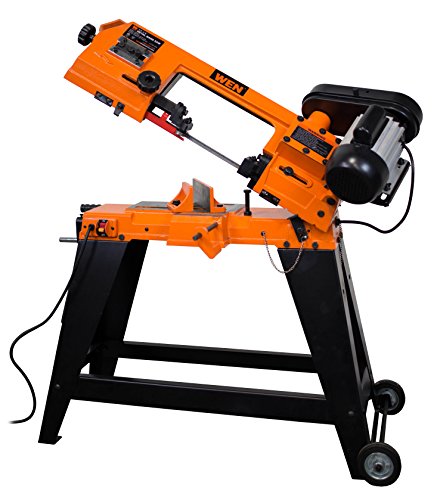
The WEN BA4664 stands out for its dual-position capability, allowing both vertical and horizontal operation. It features an automatic shut-off after completing a cut and blade speed settings to accommodate a range of metals. With selectable speeds and a robust frame, this saw supports accurate, repeatable cuts in a compact footprint suitable for smaller shops or mobile setups.
FOXBC 64-1/2″ Metal Cutting Band Saw Blade

This FOXBC blade is a bi-metal M42 design measuring 64-1/2 inches in length and 1/2 inch in width. It features 24 TPI and is suitable for cutting mild steel, aluminum, and other metals at slower speeds. The blade is compatible with many 64.5″ band saws, including popular models from Harbor Freight, Grizzly, JET, and others. It’s a practical upgrade for smoother, cleaner cuts on metal stock and pipe.
Imachinist S933414 M42 Blades

The Imachinist S933414 blades are M42 bi-metal blades, 93 inches long and 3/4 inch wide, with a thickness of 0.035 inches and 10-14 TPI. They’re designed for cutting soft ferrous metals, tubes, pipes, and profiles. The blade’s tooth configuration supports a reliable balance between speed and finish when working with thinner metal sections or delicate components.
WEN Portable Band Saw For Metal
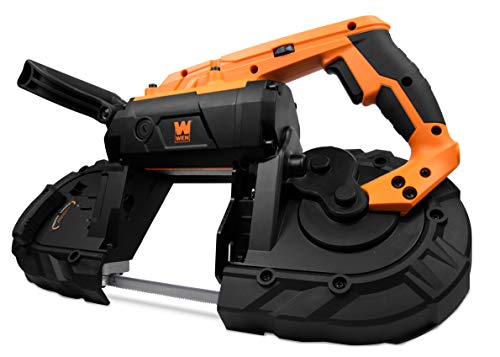
The WEN 94396 portable band saw offers a 10-amp motor and a variable speed range from 60 to 420 feet per minute. It supports cutting through metal and plastics with a heavy-duty frame designed for portability. Capable of handling up to a 5-inch wide and deep cut in suitable materials, this model serves well for fieldwork and workshop tasks that require mobility without sacrificing power.
POWERTEC 93-1/2 Inch Bi-Metal Blades 14 TPI

The POWERTEC 93-1/2 inch bi-metal blades are designed for cutting soft metals such as aluminum and copper. With a 1/2 inch width and 14 TPI, these blades use a raker set tooth arrangement to promote consistent, smooth cuts. They’re compatible with many 14-inch band saws and upgrade cutting performance for metalworking tasks in woodshop setups.
FOXBC 59-1/2 Inch Metal Cutting Blade

This FOXBC blade matches many bandsaw models that require a 59-1/2 inch blade with a 1/2 inch width and 0.025 inch thickness. With 18 TPI, it’s suited for cutting mild steel, aluminum, angle iron, brass, copper, and more at slower speeds. It offers versatility for both metal and select plastics or wood projects when precision is key.
Buying Guide
Key purchase considerations include cutting capacity, motor power, and speed control. A larger cutting capacity expands the range of stock you can work with, while a powerful motor (10A or greater) reduces stall and heat buildup on tough metals. Variable speed helps match blade pitch to material type, improving finish quality and reducing burrs. Ergonomics and stability matter for longer sessions, especially in handheld or portable models. When choosing blades, ensure compatibility with your saw’s blade length and mounting system, and select blade teeth per inch suited to the metal being cut. For versatility, consider a bandsaw that supports both vertical and horizontal orientations and provides adjustable blade guards for safe operation.
Compared to handheld options, benchtop or stand-alone machines offer greater precision and repeatability for precise metal cuts. On the other hand, portable models excel in fieldwork or small workshops where space is limited. For cutting thicker or harder metals, a saw with higher torque and robust frame construction will reduce deflection and vibration. When assessing value, weigh the balance between initial cost and long-term blade compatibility, maintenance needs, and available accessories like larger workbenches and additional guide systems.