Choosing the right arborist hand saw can improve efficiency, reduce effort, and protect trees during pruning. The following selections emphasize curved blades for controlled cuts, rust resistance for durability, and ergonomic handling to minimize fatigue. Each option below is designed for outdoor work with professional-grade performance suitable for American yards and landscapes.
| Product | Brand | Key Benefit | Blade Length |
|---|---|---|---|
| Oregon 13″ Curved Premium Japanese High-Carbon Steel Hand Saw | Oregon | Tri-edge teeth and curved blade for efficient cuts with less effort | 13″ |
| Corona Tools 13-Inch RazorTOOTH Pruning Saw | Corona | Three-sided razor teeth for fast material removal | 13″ |
| Silky Zubat Arborist Professional Hand Saw 330mm | Silky | Electroless nickel plating and solid construction for rust resistance | 13″ |
| CAMPNDOOR High Limb Rope Saw 53 In | CAMPNDOOR | Reach and cut high limbs without ladders | 53″ |
| Silky Zubat Ultimate Pro Curved Saw 330mm | Silky | Progressive teeth for smooth starts and versatile cuts | 13″ |
The table above highlights five strong options that cover common pruning scenarios—from single-hand pruning to high-limb work—while prioritizing durability, ease of use, and effective cutting performance in diverse American landscapes.
Oregon 13″ Curved Premium Japanese Hand Saw
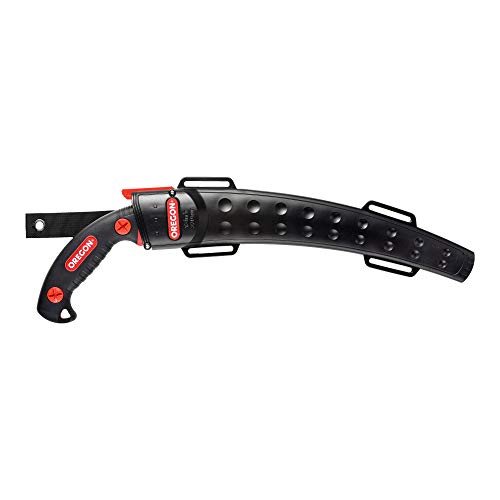
The Oregon 13″ curved hand saw emphasizes a curved profile that increases cutting power when pulling the blade, especially for distant branches. Its tri-edge, offset teeth provide three cutting angles, reducing friction and enabling a smoother, more controlled cut. The blade is crafted from premium Japanese carbon steel with chrome plating, improving rust resistance and extending blade life. Impulse hardened teeth maintain edge retention for longer service intervals. This saw is well-suited for arborists who need a reliable tool that integrates power, precision, and comfort for frequent pruning tasks.
Corona Tools 13-Inch RazorTOOTH Pruning Saw

Corona’s RazorTOOTH 13-inch pruning saw focuses on rapid material removal with a three-sided razor tooth geometry designed to slice through branches up to 7 inches in diameter. The high-carbon SK5 steel blade contributes to durability and edge retention, while the single-hand friendly design supports one-handed operation for quick, on-the-go pruning. This model balances aggressive cutting with a lighter feel, making it a versatile option for homeowners and professionals who need fast, clean cuts on mid-sized limbs.
Silky Zubat Arborist Professional Hand Saw 330mm

Silky’s Zubat Arborist Professional model features an electroless nickel plating that enhances wear and rust resistance for long-term outdoor use. The 13-inch blade is 1.5 mm thick, and the saw uses a 4.7 teeth per inch (with a 5.5 per 30mm configuration) X-Large teeth pattern to tackle tough wood efficiently. A full-tang blade and secure attachment screws contribute to durability for demanding pruning jobs, making it a reliable choice for arborists who require consistent performance in challenging environments.
CAMPNDOOR High Limb Rope Saw 53 In

The CAMPNDOOR rope saw is designed for reach and safety, enabling cutting high limbs from the ground. The double-sided blade employs high-carbon steel and specialized teeth to handle heavy yard tasks with minimal ladders or climbing. The kit includes a carrying case and sharpening tool, along with extra ropes and gloves for added protection. Users can toss the rope over a branch and alternately pull to drive the teeth through the limb. This tool is particularly valuable for taller trees or branches beyond easy reach, offering an accessible alternative to lifts or climbing gear.
Silky Zubat Ultimate Pro Curved Saw

The Zubat Ultimate Pro curved saw from Silky combines a robust curved blade with progressive teeth (roughly 5.5-6.4 per inch, or 6.5-7.5 per 30mm) for a balanced start and smooth progression through wood. The teeth configuration supports efficient rip-cuts, cross-cuts, and slant-cuts, making it a versatile tool for professional arborists. Electroless nickel plating adds rust resistance, while the blade’s construction supports extended edge life under heavy pruning workloads. This model is favored when a high-performance, all-around pruning saw is required for varied tree work.
Buying Guide: Key Considerations For Arborist Hand Saws
When selecting an arborist hand saw, consider blade geometry, tooth design, material quality, and ergonomic features. Each factor impacts cutting speed, control, fatigue, and durability in real-world pruning scenarios.
- Blade curvature and geometry: Curved blades help pull cuts through wood, reducing binding and increasing leverage. Straight blades are better for precise cuts in confined spaces.
- Teeth configuration: Razor or tri-edge teeth aid rapid material removal and smoother starts. Higher teeth-per-inch (TPI) can provide finer cuts but may slow progress on thick limbs.
- Blade material and coating: Japanese carbon steel blades offer strength and edge retention; coatings like chrome or electroless nickel improve rust resistance in humid climates.
- Durability and build quality: Full-tang blades, secure screw mounts, and robust handle designs contribute to safe operation and longer tool life in demanding pruning.
- Reach and versatility: Rope saws or long-reach models help access high limbs without ladders, while compact saws excel in tight spaces near trunk and branches.
- Maintenance: Regular sharpening and cleaning preserve performance. Some blades are easier to sharpen than others, affecting long-term usability.
- Ergonomics: Comfortable grips, weight balance, and reduced vibration can lessen user fatigue during extended pruning sessions.
For practical use, select a primary tool based on typical pruning tasks in your yard or landscaping projects. A curved blade with robust teeth is advantageous for medium to large branches, while a longer reach option becomes essential for tall trees. Consider having a secondary, lighter saw for quick, on-the-spot cuts, and a dedicated rope saw for high-limb work to minimize ladder reliance.
Durability is a central consideration, particularly in areas with humidity, rain, or exposure to outdoor elements. Tools with rust-resistant finishes tend to outperform cheaper options in long-term reliability. Finally, align your choice with your workflow: frequent professional use may justify investing in premium models with advanced tooth geometry and stronger blades, while occasional home use may be well-served by mid-range tools offering a balance of performance and value.