Answering the common buyer question: which 4-1/2 inch angle grinders strike the best balance of power, control, and durability for typical home and workshop tasks? This guide features five top options, explained for specific buyers—whether you’re a DIY homeowner, a professional tradesperson, or a hobbyist tackling metal, tile, or concrete. Each product section highlights who it’s best for, why it was selected, and a practical limitation to consider. The summary table below helps you compare key attributes at a glance.
| Product | Brand | Motor | Best For |
|---|---|---|---|
| DEWALT DWE4011 | DEWALT | 7 amp, 12,000 rpm | Pro or contractor needing fast material removal and tool-free guard |
| DEWALT DWE402 | DEWALT | 11 amp, 11,000 rpm | Heavy-duty grinding with dust management |
| Skil 9295-01 | Skil | 6.0 amp, 11,000 rpm | Budget-friendly rugged option |
| Bosch GWS8-45 | Bosch | 7.5 amp, 11,000 rpm | Comfortable grip and durable brushes |
| Metabo HPT G12SR4 | Metabo HPT | 6.2 amp | Includes accessories and case for quick-start jobs |
DEWALT Angle Grinder, One-Touch Guard

The DEWALT DWE4011 is a compact, high-revving option with a 7 amp motor and 12,000 rpm designed for faster material removal. It features a One-Touch guard that lets you adjust the guard location without tools, improving user efficiency on the job. Best for: professionals and serious DIYers who need quick guard adjustments and steady performance in metal cutting and grinding tasks. Limitation: higher rpm models can be more aggressive when starting work on delicate surfaces.
DEWALT 4.5 Inch Angle Grinder With Paddle Switch

The DEWALT DWE402 uses an 11 amp AC/DC motor delivering 11,000 rpm, with a Dust Ejection System to keep debris out of the tool. It also features oversize brushes for extended life. Best for: users who need robust power with dust management for frequent grinding and metal work. Limitation: the heavier weight compared to smaller models can affect fatigue during long sessions.
Skil 9295-01 6.0 Amp 4-1/2-Inch Grinder
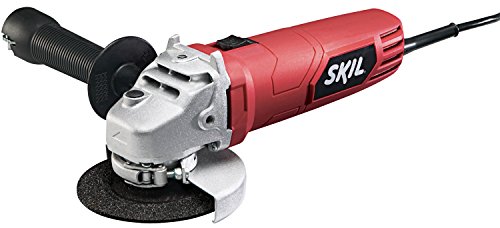
The Skil 9295-01 offers a 6.0 amp motor with 11,000 rpm and a tool-less guard for quick adjustments. Its heavy-duty metal gear housing adds ruggedness for demanding tasks. Best for: budget-conscious buyers who still want a rugged grinder for metal cutting and basic masonry work. Limitation: fewer advanced features compared with higher-end models.
Bosch GWS8-45 4-1/2 In. Angle Grinder

The Bosch GWS8-45 is powered by a 7.5 amp motor delivering 11,000 no-load rpm, with a slim-grip design for comfort and durable carbon brushes for extended life. Best for: users who prioritize maneuverability and long-term durability in everyday grinding. Limitation: may feel light-duty for heavy metal removal compared with higher-powered models.
Metabo HPT 4-1/2-Inch Angle Grinder, G12SR4

The Metabo HPT G12SR4 includes a 6.2 amp motor with a compact design and a carrying case, supporting quick access to accessories. Best for: professionals who want a ready-to-go grinder with case and multiple grinding options. Limitation: does not feature a battery-powered cordless option in this model line.
Buying Guide
Key purchase considerations help match a grinder to the job and user. Consider power, weight, and guard features first.
- Power and speed: Higher amperage and RPM mean faster material removal but can increase vibration. Choose based on the material and task—metal grinding benefits from stronger motors, while cutting may require steadier control.
- Guard design: Tool-free guards streamline switching and adjustments, reducing downtime. For frequent on-the-fly changes, prioritize a One-Touch or quick-adjust guard.
- Guard and wheel compatibility: Verify compatible discs and guards for your typical projects (metal cutoff, grinding wheels, flap discs).
- Ergonomics and weight: Lightweight designs reduce fatigue on long sessions. Slim-grip handles improve control for precise cuts and polishing.
- Durability features: Dust management, carbon brushes, and brake systems affect tool longevity and safety during grinding or cutting tasks.
- Battery-powered vs corded: Cordless grinders offer portability, but ensure battery life matches job duration. Corded options deliver consistent power for continuous use.
- Accessories included: Some models come with grinding wheels, carrying cases, or spindles—these add value for immediate use.
Frequently Asked Questions
- What size grinder should I buy for home projects? A 4-1/2 inch grinder balances power and maneuverability for most home tasks.
- Is a brushless motor important? Brushless motors offer longer life and less maintenance, with efficient power use.
- Why is a dust ejection feature valuable? Dust ejection helps extend tool life by reducing debris buildup inside the grinder.
- Should I choose cordless or corded? Corded models provide steady power for long jobs; cordless models add portability for overhead or remote work.
- What safety gear is essential? Wear eye protection, gloves, hearing protection, and a face shield; use the guard correctly and avoid loose clothing.
- Can I cut metal with these grinders? Yes, with the appropriate cutting discs and guard, but always follow tool specifications and safety guidelines.