When choosing a 2000-watt generator, Americans look for a blend of portability, quiet operation, fuel efficiency, and clean power suitable for sensitive electronics. The following selections cover inverter generators and portable power stations that deliver reliable 2000-watt output, with a focus on quiet performance and practical features for home backup and outdoor use.
Summary of chosen products
| Product | Brand | Power Output | Type | Key Feature |
|---|---|---|---|---|
| GENMAX GM2000i | GENMAX | 2000W starting / 1600W running | Inverter Generator | Ultra light, quiet, eco mode |
| WEN 56200i | WEN | 2000W surge / 1600W running | Inverter Generator | Low noise, EPA III / CARB |
| Anker SOLIX C1000 Gen 2 | Anker | 2000W output / 1024Wh | Portable Power Station | Rapid recharge, solar ready |
| A-iPower SC2000i | A-iPower | 2000W running / 1600W | Inverter Generator | Yamaha engine heritage, quiet |
| OUPES Mega 1 | OUPES | 2000W AC / 4500W peak | Portable Power Station | Expandable battery, fast recharge |
GENMAX GM2000i 2000W Inverter Generator
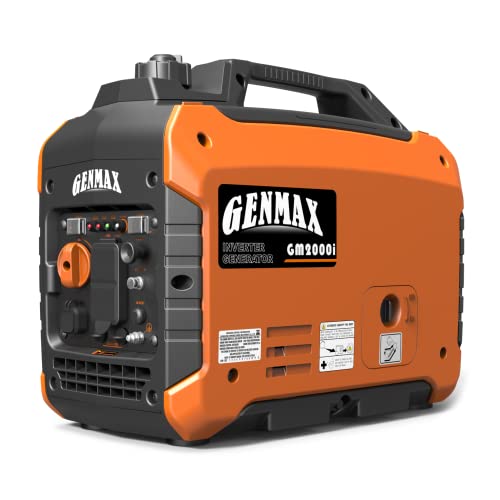
The GENMAX GM2000i operates with a 79.7cc OHV gas engine to deliver 2000 starting watts and 1600 running watts with inverter technology for clean power (THD under 3%). It is designed to support sensitive electronics such as TVs and laptops during camping trips or as a compact home backup. Weighing 34 pounds, it emphasizes portability with a sturdy carry handle, making it easier to transport for outdoor use. The unit runs on a 1-gallon tank and offers an Economy Mode to maximize fuel efficiency, producing as little as 60 dBA noise at typical loads and delivering up to eight hours of runtime at 50% load. Features focused on usability include quiet operation and fuel-conscious performance for extended outings.
WEN 56200i 2000-Watt Inverter Generator
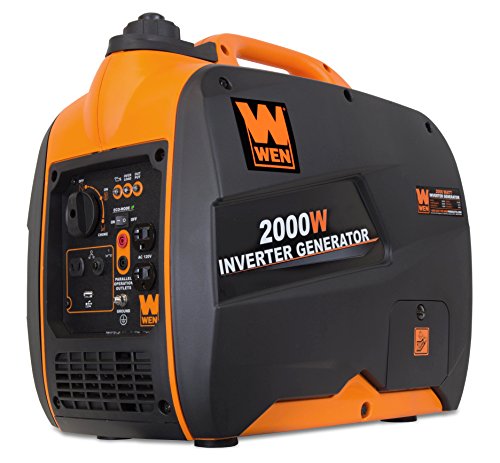
The WEN 56200i provides 2000 surge watts and 1600 running watts from a compact, EPA III and CARB-compliant 79.7 cc engine. With a light footprint (about 48 pounds), it balances portability with performance. Noted for quiet operation, it achieves roughly 53 dB during operation, making it suitable for sensitive indoor and outdoor environments. The unit emphasizes reliability and clean power delivery for electronics, small appliances, and camping gear while remaining a practical choice for RV and tailgating scenarios.
Anker SOLIX C1000 Gen 2 Portable Power Station

The Anker SOLIX C1000 Gen 2 is a 2,000W portable power station with a 1,024Wh LiFePO4 battery. It supports rapid recharging via HyperFlash technology, enabling full recharge in approximately 49 minutes at up to 1,600W input. It can supply 2,000W continuous output with a 3,000W peak across multiple ports, plus the option to add solar panels for off-grid charging. This unit is compact, roughly 14% smaller and 11% lighter than competing models, and is tailored for home backup and camping needs with a focus on quick recharge and a modular power setup.
A-iPower SC2000i Portable Inverter Generator

The A-iPower SC2000i uses a Yamaha engine to deliver 2,000 starting watts and 1,600 running watts, combining power with long-term reliability and quiet operation. The inverter technology provides a clean power output with a 3% THD, suitable for laptops, TVs, chargers, and other electronics. Its design emphasizes portability and ease of use for home backup, tailgating, and camping, with a focus on maintaining stable power even during high-demand periods. The unit is noted for its quiet operation and compatibility with sensitive devices.
GENMAX GM2200i 2200W Inverter Generator
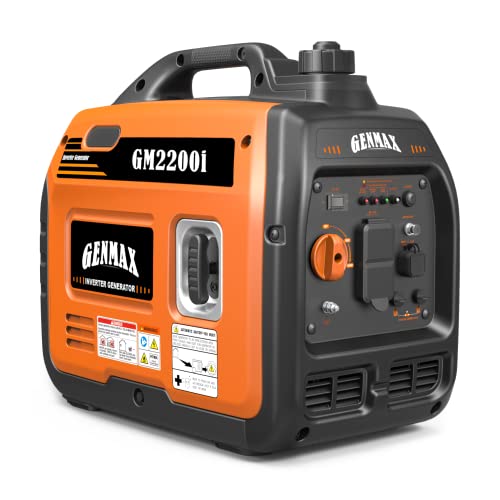
The GENMAX GM2200i is a slightly higher-capacity inverter with 2200 starting watts and 1800 running watts. It keeps noise output low—around 58 dBA—and remains portable at about 41.8 pounds. Equipped with an economy mode for improved fuel efficiency, this model is positioned for users who want a compact yet capable unit for home backup and outdoor activities, balancing weight, power, and efficiency without sacrificing reliability for electronics and small appliances.
Buying Guide: Key Purchase Considerations
- Power needs: consider whether you want pure sine wave power for sensitive electronics and what your peak load will be. Inverter generators typically deliver cleaner power suitable for electronics, while conventional portable generators may supply more raw wattage without inverter technology.
- Portability and weight: for camping or tailgating, lighter units with ergonomic handles offer easier transport. If you need endurance for home backup, a heavier unit might be acceptable for standby comfort.
- Noise level: look for decibel ratings around 50–60 dBA at typical loads for residential-friendly operation, especially if you’ll be using the generator near living spaces or outdoor lounging areas.
- Fuel efficiency: economy modes and fuel-tank capacity influence runtime. Units with efficient engines and economy features will reduce refueling frequency during extended use.
- Fuel type and availability: most 2000W units are gasoline-powered, but dual-fuel options and power stations offer flexibility with propane or solar charging. Consider your typical use scenario and fuel access.
- Outlets and charging options: assess the number and types of outlets (AC, DC, USB-C) and whether the unit supports solar charging or external battery expansion for longer outages or off-grid camping.
- Maintenance and warranty: verify service networks and warranty terms, especially for high-use outdoor equipment. Engines like Yamaha and reputable brands often provide longer-term support.
- Mobility features: test portability elements such as handle design, wheel kits, and compact form factors that reduce setup friction during emergencies or outdoor trips.
- Environment and emissions: EPA and CARB compliance matters in many states. For sensitive environments, opt for models with clean inverter outputs and low emissions.
These considerations help compare the five highlighted options by focusing on real-world usage—backup power at home and reliable performance during camping trips. By balancing weight, noise, fuel economy, and power stability, you can select a generator that aligns with your needs and space constraints without compromising safety or device compatibility.