Finding the right 1-1/2 inch nail gun depends on your project needs and energy source. This guide highlights five practical options that excel with 1-1/2″ brad nails, explaining who each tool is best for, and why they stand out. Ideal buyers include DIY enthusiasts, weekend woodworkers, trim and molding pros, and people who want cordless flexibility or budget-friendly pneumatic options.
Summary of selected products
| Product | Type | Best For | Power Source |
|---|---|---|---|
| WORX Brad Nailer Cordless | Cordless Brad Nailer | Cordless convenience for light to medium trim | 20V Battery |
| ADOTOCAM Cordless Brad Nailer (DeWalt 20V Battery) | Cordless Brad Nailer / 2-in-1 | DIYers with existing DeWalt packs | DeWalt 20V Max Battery |
| Meite 18 Ga Brad Nails (1-1/2″) | Nail Accessories | Finishing and aesthetic detail work | N/A |
| Metabo HPT Finish Nailer | Finish Nailer (16 GA) | Cabinetry, molding, trim | Air |
| NEU MASTER Pneumatic Brad Nailer | 2-in-1 Nailer & Stapler | Versatile trim and upholstery | Air |
WORX Brad Nailer Cordless, 20V 18 ga

The WORX cordless brad nailer uses Air Impact Technology to drive nails up to 2-⅛” into hardwood, making it suitable for trim, cabinetry, and light frame work. It integrates the PowerShare system, so you can share a single 20V battery across Worx tools, increasing flexibility for DIY setups. Best for homeowners who want cordless operation and lighter weight to reduce fatigue during longer sessions.
Best for: DIYers seeking cordless convenience and a lighter tool for trim and finishing. Better for short, precise runs rather than heavy framing. Caution: May require periodic battery swaps for extended sessions.
ADOTOCAM Cordless Brad Nailer (DeWalt 20V Battery)
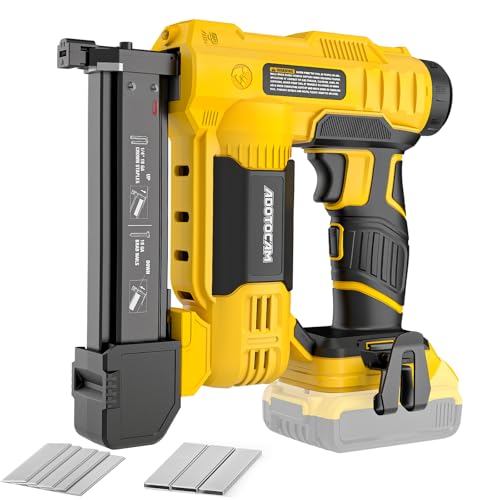
This 2-in-1 cordless model accepts 18 GA brad nails and 1/4″ to 1-1/4″ staples, powered by DeWalt 20V Max batteries. It’s designed for interior finish work, trim, and decorative projects, especially if you already own DeWalt batteries. Best for: users already in the DeWalt ecosystem who want a versatile nailer/stapler. Limitation: Tool-only unit; battery must be purchased separately.
Meite 18 Gauge Brad Nails, 1-1/2″ (1000 Count)

Meite 1-1/2″ 18 GA brad nails are galvanized for rust resistance, designed for delicate joinery and finishing work where minimal wood damage is essential. These are a practical accessory for projects involving molding, decorative trim, or thin panels. Best for: finishing touches with a reliable, low-visibility fastener. Caution: Suitable for non-contaminated environments; consider stainless steel for wet areas.
Metabo HPT Finish Nailer NT65M2S

The Metabo HPT NT65M2S is a lightweight 16-gauge finish nailer designed for molding, chair rails, and cabinetry. It offers selective actuation and a quick-change depth adjustment. Best for: professionals and serious hobbyists focused on finish carpentry. Limitation: Uses 16 GA nails rather than 18 GA 1-1/2″ brads, so not a direct substitute when 1-1/2″ brads are required.
NEU MASTER Pneumatic Brad Nailer
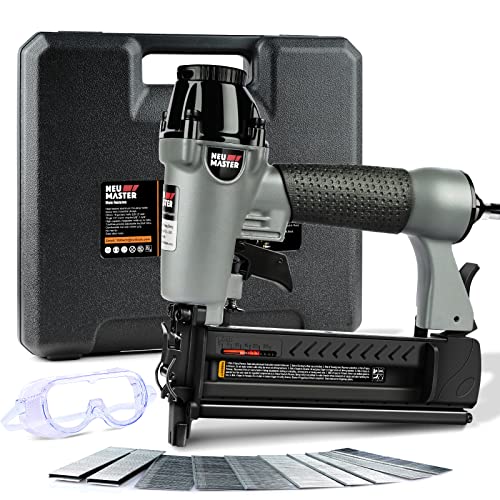
NEU MASTER 2-in-1 pneumatic nailer/stapler combines 18 GA brad nails (2″ max) with 1/4″ crown staples. It features a tool-free jam clearance and a transparent magazine window. Best for: users who want a versatile, budget-friendly pneumatic option with quick mode switches. Caution: Requires an air compressor (not included) for operation.
Batavia Electric 2-in-1 Nail & Staple Gun

The Batavia 120V corded 2-in-1 tool drives 18GA brad nails (5/8″–1.25″) and 1/4″ narrow crown staples (5/8″–1″). It’s designed for upholstery, picture framing, and light carpentry without needing batteries or hoses. Best for: projects requiring immediate start-up and steady power. Caution: Not ideal for drywall installation or heavy framing due to its 18 GA sizing and corded design.
Buying Guide
- Power source: Cordless (battery) nails offer mobility but heavier batteries; pneumatic (air) nails deliver constant power for longer sessions but require compressors.
- Gauge and nail length: For 1-1/2″ applications, 18 GA brads are common for finish work; 16 GA nails are better for sturdier trim but don’t fit the 1-1/2″ brad niche exactly.
- Firing mode: Sequential is safer and precise; bump-fire speeds up work but requires careful setup.
- Ergonomics and weight: Look for lightweight, balanced designs if you’ll operate for extended periods.
- Accessories and compatibility: Consider whether you need a tool that accepts existing batteries or staples, especially if you own other brand tools.
- Reliability and maintenance: Jams, depth control, and exhaust design influence long-term performance.
Frequently Asked Questions
- What is the difference between a brad nailer and a finishing nailer?
Brad nailers use thinner nails (18 GA) for delicate trim, while finishing nailers use thicker nails (usually 15-16 GA) for stronger joints and molding. - Can I use 1-1/2″ nails for cabinet trim?
Yes, 1-1/2″ brads are commonly used for light cabinet trim and decorative moldings, offering a hidden fastener with good hold. - Is a cordless brad nailer worth it for small projects?
Yes, for quick, portable work where a compressor is impractical, a cordless model adds flexibility and reduces setup time. - Should I choose a pneumatic or cordless tool for finishing tasks?
Pneumatic tools are best for extended sessions and steady power; cordless tools suit mobility and smaller projects. - What safety features should I expect from a brad nailer?
Look for sequential triggers, anti-dry-fire mechanisms, and blade-style nails guides to prevent misfires and hand injuries. - Do these tools require any special maintenance?
Regular lubrication, proper depth adjustment, and cleaning of the magazine and trigger mechanism help maintain performance.