Choosing a belt sander that balances price and performance can be challenging. This guide highlights value-focused options that deliver solid sanding power, durable construction, and dependable dust collection without unnecessary extras. Each featured model offers reliable performance for common woodworking projects, from furniture refinishing to rough stock removal. The products below are selected to help American shoppers find a strong balance between cost and capability.
| Product | Brand | Belt Size | Notable Feature |
|---|---|---|---|
| WEN Benchtop Belt and Disc Sander (6502T) | WEN | 4 x 36 in. belt / 6 in. disc | Two-in-one with cast-iron base |
| DEWALT 20V MAX Belt Sander (DCW220B) | DEWALT | 3 in. x 18 in. belt (cordless) | Brushless motor, high dust collection efficiency |
| Makita 9403 4″ x 24″ Belt Sander | Makita | 4 x 24 in. | Low noise, sealed motor/bearings |
| WEN 6515T Benchtop Sander | WEN | 1 x 30 in. belt / 5 in. disc | Dual belt and disc with high belt speed |
| SKIL 7510-01 3″x18″ Belt Sander | Skil | 3 x 18 in. | Pressure control tech for moderate guidance |
When evaluating belt sanders for value, consider belt width and length (to match project scale), motor power, dust collection capability, vibration control, and the stability of the base. The models below emphasize practical performance and build quality without premium price tags, making them suitable for hobbyists and light-to-moderate workshop workloads.
WEN 6502T: Practical Two‑in‑One for Small Shops
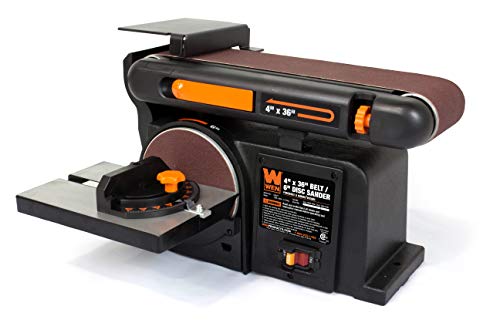
The WEN 6502T combines a 4-by-36 inch belt with a 6-by-6 inch disc on a sturdy cast-iron base, reducing vibration and wobble during use. Belt tilting from 0 to 90 degrees adds versatility for bevel work and edge shaping. This model is well-suited to hobbyists who want an all-in-one solution for stock smoothing, flush sanding, and disc work in a compact benchtop footprint. The dual-function design offers value by eliminating the need to purchase separate belt and disc machines for many projects.
Key considerations: The 4-by-36 inch belt covers typical stock removal tasks efficiently, while the cast-iron base helps stabilize heavy cuts. Availability of precise tilting enables bevel sanding on edges and angled faces. For users prioritizing a compact, multipurpose machine with solid stability, the 6502T represents a strong value choice.
WEN 6307 Variable Speed Detailing File Sander
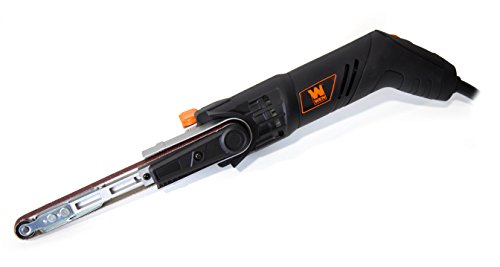
Designed for precision work, the WEN 6307 uses a 1/2-by-18 inch belt with a variable speed range from 1080 to 1800 feet per minute. An auto-tracking belt system reduces the need for constant tensioning, and a 50-degree range of motion lets you pivot the belt to reach awkward angles. While this is a detail-oriented tool rather than for bulk stock removal, it offers exceptional value for intricate woodworking, shaping, and finishing on smaller projects where control is paramount.
Key considerations: Variable speed control enables material-specific adjustments, while the pivot capability accommodates tight corners and fine detailing. For users who need a compact, precise sander for finishing touches, the 6307 is a cost-effective option with reliable WEN service support.
DEWALT 20V Max Belt Sander, Cordless

DEWALT’s cordless belt sander (DCW220B) brings portable sanding power with a brushless motor for efficiency and runtime. It features impressive dust collection performance when paired with a compatible system, helping keep the workspace cleaner. The 3-by-18 inch belt size is a common choice for mid-size tasks, including furniture refinement, edge shaping, and panel work. The cordless design offers flexibility in workshops without a nearby power outlet, a notable value proposition for mobile setups or garage workshops with power constraints.
Key considerations: Cordless operation increases flexibility at the cost of price and runtime per charge. The brushless motor provides longer life and constant performance, but ensure you have compatible batteries and chargers. For those prioritizing mobility and cleaner air in a compact tool, the DEWALT model delivers solid value and compatibility with other 20V Max tools.
Makita 9403 4″ x 24″ Belt Sander

The Makita 9403 emphasizes quiet operation and robust durability with a sealed labyrinth construction that protects the motor and bearings from dust. A 4 by 24 inch belt provides fast material removal for larger surfaces, while the overall build quality supports longer tool life in demanding shop environments. At roughly typical pro-grade pricing, the 9403 targets users who want reliable performance with notable dust management and comfort during extended sanding sessions.
Key considerations: If you frequently sand large panels or doors, the size and efficiency of the 9403 can justify the investment. Noise reduction and long-lasting seals are important benefits for busy workshops where dust and wear are ongoing concerns. This model suits professional tradespeople and serious hobbyists seeking steady, strong performance.
WEN 6515T: Compact Benchtop Sander
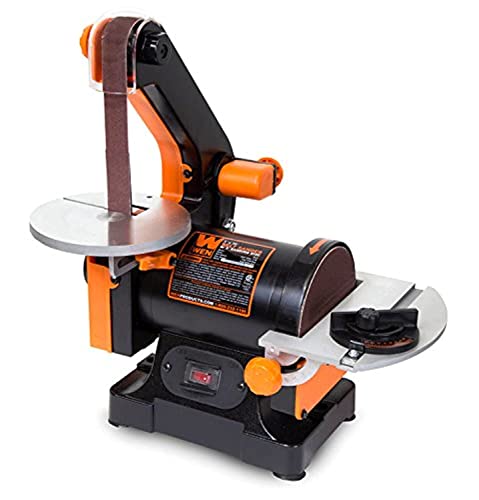
The WEN 6515T pairs a 1-by-30 inch belt with a 5 inch sanding disc on a sturdy base, delivering a compact yet capable sanding solution. With a two-motor layout and a belt speed high enough for efficient stock removal, this model is suitable for small-to-medium projects where space is a constraint. The included dust extraction and a robust base help minimize movement during operation, making it a practical choice for hobbyists who want a reliable, all-around sander in a smaller footprint.
Key considerations: The 1-by-30 inch belt size is well-suited for narrow stock and fine work, while the 5 inch disc adds versatility for finishing and contour work. Users prioritizing a compact, dual-function sander with stable performance will find good value in the 6515T’s balance of size and capability.
Skil 7510-01 3″x18″ Belt Sander

Skil’s 7510-01 3-by-18 inch belt sander emphasizes control with pressure-sensing technology that warns users when excessive pressure is applied. A 6.0 amp motor powers the belt efficiently, and the micro-filtration dust capture system helps manage fine particles for cleaner work. This model is a solid option for controlled material removal on wooden surfaces, particularly when careful, light to mid-pressure sanding is essential for maintaining surface integrity.
Key considerations: Pressure control and dust management make this a good value choice for beginners and intermediate woodworkers focusing on finish quality. It provides a reliable baseline performance without unnecessary extras, which supports its value proposition in entry-to-mid-level tool kits.
Buying Guide: Key Purchase Considerations And Comparisons
When selecting a belt sander for value, weigh core attributes that influence daily use and project outcomes:
- Belt size and flexibility: Larger belts remove material faster on big flat surfaces, while narrower belts excel at edges and curves. Some models pair a belt with a disc for finishing versatility.
- Motor power and speed: More power and higher belt speeds improve material removal but can increase weight and price. Look for variable speed where you work with different woods and finishes.
- Stability and vibration: A solid base or cast-iron bed minimizes wobble, improving accuracy and reducing user fatigue during longer sessions.
- Dust collection: Efficient dust extraction reduces airborne particles and keeps the work surface clearer. Consider compatibility with dust-collection systems or bags included with the unit.
- Maintenance and durability: Sealed bearings and rugged construction extend tool life in busy workshops. Quiet operation is aPlus for comfort during long tasks.
- Portability vs. corded power: Cordless options offer mobility, but ensure battery availability and runtime match your typical project size. Corded units generally maintain steady power for longer sessions.
- Price-to-performance ratio: Compare features like dual-function (belt and disc), tilt capability, and auto-tracking systems. A model does not need every feature to be the best value—it needs the right balance for your typical projects.
Summary considerations by project type:
- For small shops and hobbyists: Models with compact bases, stable belts, and solid dust control deliver reliable value without overpaying for luxury features.
- For furniture refinishing and edge work: A dual-function unit or a belt with a compatible disc enhances versatility and value in a single tool.
- For occasional use in garages or mobile setups: Cordless options offer flexibility, with the trade-off of battery costs and runtime.
All selections in this guide prioritize practical performance and long-term reliability, helping American readers choose belt sanders that deliver value across common woodworking tasks without unnecessary expense.