
When it comes to metal cutting with a 12-inch miter saw, choosing the right blade is crucial for achieving clean, precise cuts while extending blade life. This guide reviews some of the top-rated 12-inch miter saw metal cutting blades, highlighting their key features and best use cases. Below is a summary table to help you quickly compare these highly rated options from reliable brands.
| Product | Teeth Count | Material Suitability | Arbor Size | Special Features |
|---|---|---|---|---|
| TOMAX 12-Inch 100 Tooth TCG Blade | 100 | Plastic, Aluminum, Non-Ferrous Metals | 1 Inch | Carbide teeth, Electrophoretic coating (rust resistance) |
| TWIN-TOWN 12-Inch 60 Teeth Cermet Blade | 60 | Mild Steel, Steel Profiles, Ferrous Metals | 1 Inch | Cermet tips, Laser-cut stabilizer vents, Reduced vibration |
| FOXBC 12 Inch 96-Tooth TCG Blade | 96 | Aluminum, Non-Ferrous Metals, Plastic | 1 Inch | Laser-cut vents, -5° Hook Angle, Kerf 0.094″ |
| DEWALT 12-Inch 100 Tooth Fine Finish Blade | 100 | General metal finishing cuts | 1 Inch | Ultra sharp carbide, Low vibration design, Optimized teeth |
| MAZING 12 Inch 100T TCG Metal Saw Blade | 100 | Aluminum, Plastic, Non-Ferrous Metals | 1 Inch | Tungsten carbide teeth, Triple chip grind, Heat resistant |
TOMAX 12-Inch 100 Tooth TCG Blade for Aluminum & Plastics
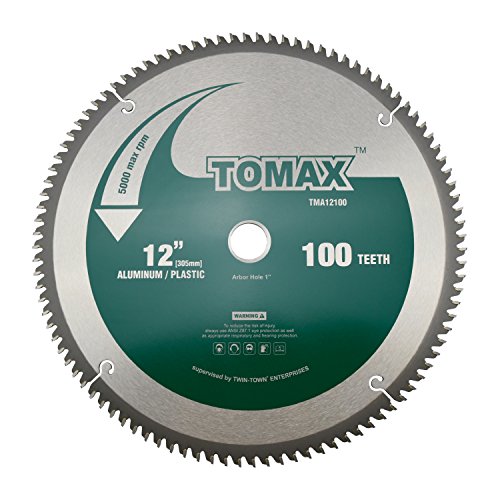
The TOMAX 12-Inch 100 Tooth TCG blade is designed specifically for cutting plastics, aluminum, and other non-ferrous metals. Its construction-grade carbide teeth offer exceptional resistance to wear, making it last longer under demanding conditions. An electrophoretic coating enhances the blade’s corrosion and rust resistance, which is ideal when working in moist or challenging environments. This blade is perfect for users needing smooth, burr-free cuts on softer metals and plastic materials.
TWIN-TOWN 12-Inch 60 Teeth Steel and Ferrous Metal Blade

The TWIN-TOWN 12-Inch 60 Teeth Blade incorporates cermet composite tips, combining ceramic and metal to maintain a cooler cut and extend blade life. It cuts through mild steel profiles such as pipes, angle irons, tubes, and steel studs effectively. Laser cut stabilizer vents reduce noise, vibration, and blade warping, resulting in a stable, precise cut. This blade excels with ferrous metal materials and offers durability for industrial or workshop applications.
FOXBC 12 Inch 96-Tooth TCG Blade for Non-Ferrous Metal

The FOXBC 96-Tooth TCG Blade is optimized for cutting aluminum, non-ferrous metals, and plastics. Featuring a hook angle of -5° and a kerf of 0.094″, this blade supports thin to thick material cutting ranging from 1/8″ to nearly 7/16″. Laser-cut stabilizer vents improve accuracy by reducing noise and vibration during operation. This design makes it ideal for precision work requiring clean finishes and minimal material waste.
DEWALT 12-Inch 100 Tooth Fine Finish Miter Saw Blade

The DEWALT 12-Inch 100 Tooth Blade targets users who require ultra-fine finishes on metal cuts. It boasts an optimized tooth geometry and a patented body slot design which minimizes vibration, increasing cutting accuracy and improving finish quality. The ultra-sharp carbide teeth provide up to triple the lifespan of conventional blades. This is a premium choice for metalworkers prioritizing smooth edges and longevity.
MAZING 12 Inch 100T TCG Circular Saw Blade for Aluminum
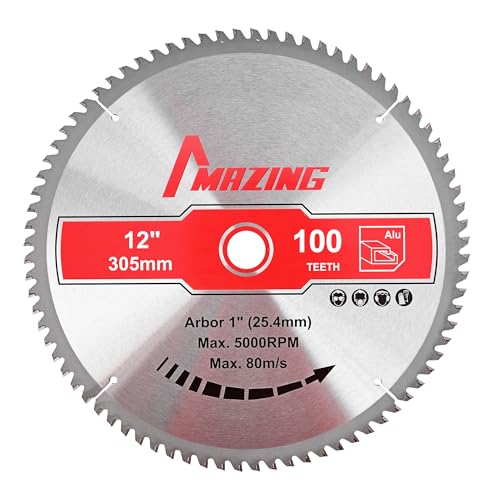
The MAZING 12 Inch 100T TCG Blade features tungsten carbide teeth, which enhance wear and heat resistance for more efficient chip removal and extended blade life. The triple chip grinding (TCG) design ensures smooth, burr-free cuts on aluminum, plastics, and other non-ferrous metals. Its sturdy build prevents deformation and bending during use. This blade combines durability with precision, ideal for high-speed metal cutting tasks.
Buying Guide for 12-Inch Miter Saw Metal Cutting Blades
Choosing the right metal cutting blade for your 12-inch miter saw depends on several key factors:
Material Compatibility
- Ferrous metals: Require blades with strong carbide or cermet teeth capable of handling high density and hardness.
- Non-ferrous metals and plastics: Need blades designed for smoother cuts, fewer burrs, and corrosion resistance.
Tooth Count and Design
- High tooth count (80-100 teeth): Offers finer, smoother cuts, especially on thinner metals.
- Lower tooth count (40-60 teeth): Allows faster cutting but with rougher finishes; better for thicker or heavy-duty materials.
- Tooth geometry: Triple chip grind (TCG) and specialized hook angles reduce material tearing and heat buildup.
Blade Material and Coating
- Carbide and Tungsten Carbide tips: Provide superior cutting performance and longevity.
- Cermet tips: Enhance heat tolerance keeping the blade cool during prolonged use.
- Protective coatings: Such as electrophoretic coatings aid rust and corrosion resistance, key for durability.
Arbor Size and Kerf
- Ensure the blade’s arbor size matches your miter saw spindle, commonly 1 inch for 12” blades.
- Kerf thickness impacts cutting speed and material waste; thinner kerfs require less power and generate less waste but may be less durable on tougher metals.
Vibration and Noise Control
- Laser-cut stabilizer vents can greatly reduce vibration and noise, improving cut precision and operator comfort.
Application Frequency
- For frequent industrial use, prioritize blades with premium carbide or cermet tips for longer life.
- For occasional or hobbyist use, versatile blades that balance cost with performance make more sense.
By considering these aspects, you can select a 12-inch miter saw metal cutting blade that maximizes cutting performance, blade life, and finish quality for your specific metalworking needs.