The right masonry blade can dramatically improve cut accuracy, speed, and blade life when working with brick, concrete, fiber cement, and other hard substrates. This article highlights five top-performing masonry blades designed for reciprocating saws, focusing on durability, tooth design, and overall value. Each option is widely compatible with common saw brands and engineered to minimize dust and vibration while delivering precise, clean cuts. Read on to compare features, materials, and ideal applications to help you choose the best match for your project.
| Product | Brand | Materials Cut | Key Benefit |
|---|---|---|---|
| Diablo 9″ Diamond Grit DS0930DGX | Diablo | Cast iron, masonry, fiber cement, fiberglass | Up to 6X life with diamond grit; thin kerf for fast, precise cuts |
| MRCGTCE 12-Inch Masonry Blade | MRCGTCE | Red brick, light brick, fiber cement, aerated concrete | 2 TPI tungsten carbide teeth; durable back for demolition use |
| PAYA TOOLS Demolition Masonry Blade | PAYA TOOLS | Brick, aerated concrete, limestone, cement panels | Carbide teeth for exceptional durability and reduced vibration |
| Caliastro 9-Inch 2-Pack | Caliastro | Brick, mortar, cinder block, aerated concrete | Two blades per pack; broad compatibility with major brands |
| DIFFWELY 12-Inch Masonry Blade | DIFFWELY | Brick, porous concrete, cinder block, fiber cement | 2TPI carbide teeth; widened body reduces vibration and dust |
Diablo 9″ Diamond Grit Reciprocating Saw Blade

Diablo’s DS0930DGX features a diamond grit edge designed to extend blade life dramatically, especially in tough materials such as cast iron and fiber cement. The thin kerf design accelerates cutting speed while preserving precision and reducing material waste. The Perma-Shield coating protects against heat, gumming, and corrosion, helping the blade perform consistently in harsh environments. This blade is well-suited for heavy-duty demolition tasks as well as precise remodel work where clean edges matter.
MRCGTCE 12-Inch Masonry Reciprocating Saw Blade
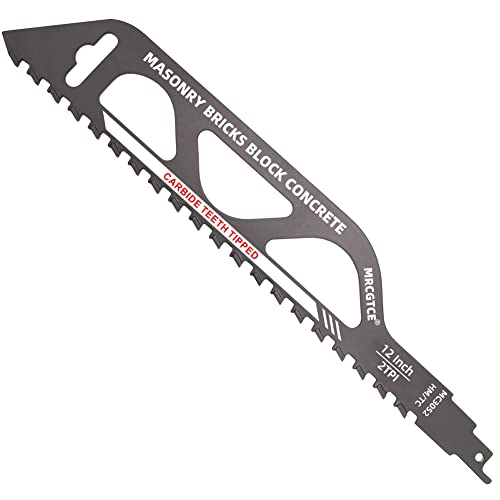
The MRCGTCE blade emphasizes durability with a 12-inch length and 2 TPI tungsten carbide teeth. A robust steel back supports high-impact demolition work, while the YG8 carbide teeth deliver wear resistance for challenging materials like red and light brick, fiber cement, and porous concrete. Its large-tooth pitch supports efficient cutting, making it a strong choice for professional demolition or rough masonry tasks.
PAYA TOOLS Demolition Masonry Blade

The PAYA TOOLS blade pack focuses on carbide tooth durability for straight cuts in brick, aerated concrete, and cement composites. It is designed to minimize vibration while maintaining cut quality, which helps reduce dust and user fatigue on longer demolition jobs. The blade is optimized for straight-line performance and is not intended for wood or plastic, ensuring dedicated masonry performance.
Caliastro 9-Inch Masonry Blade 2-Pack

This Caliastro pair provides versatility for masonry cutting across brick, mortar, cinder block, and aerated concrete. Built with high carbon steel and tungsten carbide teeth, these blades are designed to work with major reciprocating saw brands and maintain sharpness across demanding demolition and remodeling tasks. The two-pack format adds value for projects with multiple cuts or as spares for extended jobs.
DIFFWELY 12-Inch Masonry Blade
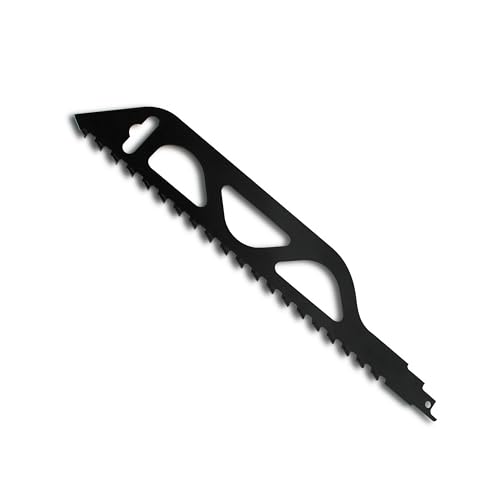
The DIFFWELY blade features 2 TPI carbide teeth and a wide body designed to reduce vibration and dust generation during cutting. Its carbide teeth deliver excellent wear resistance, enabling longer blade life when cutting brick, porous concrete, and fiber cement. This blade is suitable for users needing steady performance in demanding demolition or construction projects.
Buying Guide: Key Purchase Considerations
Choosing the right masonry blade for a reciprocating saw depends on material type, cut frequency, and work environment. Consider tooth design, blade length, and back support to balance durability and speed. Carbide teeth excel in hard materials like aerated concrete and brick, while diamond grit blades perform exceptionally well on cast iron and dense masonry. A thin-kerf blade can speed up cutting but may wear faster under heavy loads; a reinforced body reduces breakage in demolition work. Compatibility with your saw’s arbor size and the blade’s width should also be verified to ensure a proper fit. Dust suppression and vibration control features contribute to cleaner work and improved control during long sessions. For mixed-material projects, carrying blades with varied tooth configurations in your toolkit provides flexibility and efficiency.
Performance considerations for a professional setting include: impact resistance and heat tolerance (for prolonged use), ease of alignment for straight cuts, and the ability to cut through multiple materials without needing blade changes. When comparing brands, look for engineered coatings like heat-resistant layers or anti-corrosion finishes, which extend blade life in tough environments. Value is often found in multi-blade packs that cover common masonry tasks, offering immediate replacements for ongoing jobs. Finally, assess user feedback on real-world cut quality and longevity to gauge long-term reliability beyond initial specifications.