Choosing the right log debarker attachment can speed up timber processing, firewood prep, and woodworking projects. This guide reviews five popular options, outlining key features, compatibility, and practical considerations to help you select a tool that fits your chainsaw and workflow.
| Product | Brand | Type | Key Use |
|---|---|---|---|
| Log Wizard Debarker | FORESTER | Universal Debarking Tool | Bark removal and wood prep |
| Log Wizard Debarking Tool | GOPRIMENOW | Debarking Attachment | Versatile debarking and notching |
| Log Peeler Debarker | HOTYELL | Chainsaw Attachment | Efficient bark removal, light weight |
| AGRICAS AGT003 | AGRICAS | Log Wizard Debarking Tool | Timber processing and debarking |
| DIYAREA Log Peeler | DIYAREA | Debarker Attachment | Aluminum alloy, multi-blade |
Note: This article focuses on five practical options and does not include pricing. All products are designed to attach to common chainsaws and convert them into bark-removing or planing tools for timber processing, furniture making, and firewood prep.
FORESTER Log Wizard Debarker
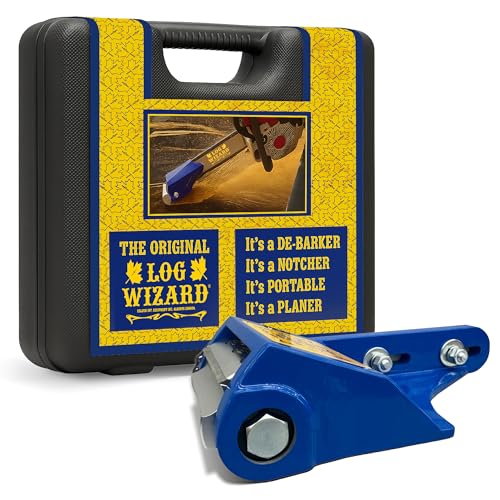
The FORESTER Log Wizard Debarker is a multitool that uses your chainsaw to remove bark and prepare logs for further work. It emphasizes a universal spline/sprocket system, enabling mounting on a wide range of chainsaw tools. The attachment is designed for easy installation—typically under 10 minutes—and comes with a portable hard case for on-site use. Beyond debarking, it can function as a notch maker or even a simple planer, expanding its utility for homeowners and professional mills alike. Its build supports use in furniture making, log cabin projects, and general woodworking.
Key considerations: The universal spline system enhances compatibility across many saw brands, but ensure your bar and pitch align with the tool’s sprockets. The case improves transport safety, while the tool’s durable construction supports repeated debarking sessions. Regular blade maintenance will help sustain performance and reduce friction during long runs.
GOPRIMENOW Log Wizard Debarking Tool
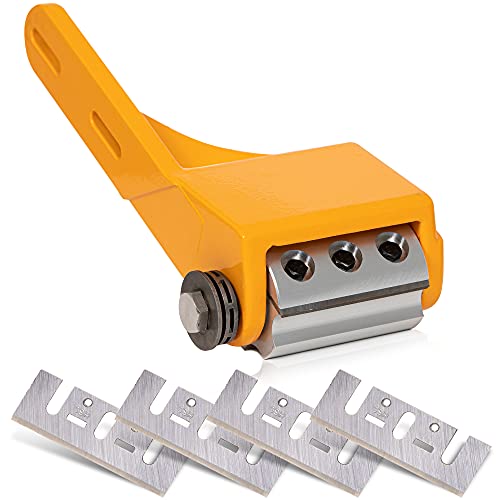
The GOPRIMENOW debarking attachment emphasizes quality and durability, with powder-coated steel to resist corrosion and ball bearings at both ends for longevity. Its versatility includes debarking, planing, notching, and post sharpening, making it suitable for diverse wood projects. The tool is marketed as lightweight and user-friendly; mounting to a chainsaw is straightforward, and blades can be sharpened or replaced as needed. This flexibility supports both home-based woodworking and more demanding construction roles.
Key considerations: Material durability and bearing design contribute to extended service life. Check compatibility with your chainsaw’s pitch and bar length, and consider spare blades or replacement parts to minimize downtime. Proper installation and tensioning will help maintain consistent cutting depth and reduce blade wear during heavy use.
HOTYELL Log Peeler Debarker

HOTYELL’s log peeler debarker is designed for broad compatibility with most 65cc or smaller chainsaws, featuring 6 sharp blades and a lighter overall construction than earlier generations. The blades are positioned to peel bark efficiently and create smooth notches, making firewood processing and timber prep faster. The package typically includes replacement blades, providing ongoing maintenance options for long job sites or frequent users. The focus is on efficiency and ease of use, especially for users who value faster debarking with lower fatigue.
Key considerations: blade count and arrangement influence peeling speed and depth. Lighter weight improves handling, but ensure the tool’s mounting doesn’t introduce looseness that could affect performance. Regular blade care and blade replacement policies are important for keeping performance consistent across batches of logs.
AGRICAS AGT003 Debarker

The AGRICAS AGT003 debarking tool positions itself as a robust option for timber processing with compatibility claims for several STIHL models. It highlights longevity and reliable construction designed to withstand repeated use for debarking, planning, and notching tasks. The installation emphasizes ease—simply attach to the chain blade, and use the included belt, casing, and guard for secure operation. The tool is aimed at professionals and serious hobbyists who require durable, low-maintenance performance for long runs.
Key considerations: Verify compatibility with your exact STIHL model or other brands, and confirm the tool’s mounting pattern to your saw. Maintenance practices, including belt tension and guard security, will influence safety and efficiency during extended debarking sessions. A well-balanced setup reduces operator fatigue and vibration during use.
DIYAREA Log Peeler Debarker (Upgraded)

DIYAREA’s upgraded debarker attachment uses an aluminum alloy die casting process for improved strength-to-weight performance. It includes two driving wheels designed to fit several popular chainsaws, with a focus on anti-corrosion coatings and optimized bearings to handle higher speeds. The kit notes compatibility with multiple Husqvarna and STIHL models, offering a practical path for users who own different brands or plan on switching between saws. The six-blade design supports aggressive peeling while maintaining control over blade depth.
Key considerations: Check the exact model compatibility list to ensure a secure fit with your saw’s chain pitch and bar length. Aluminum construction reduces weight, which can improve handling, but verify rigidity under load during heavy debarking tasks. Regular inspection of bearings and drive wheels is recommended to sustain performance over time.
ZEIMAL Blue Log Peeler

ZEIMAL’s log peeler offers a sturdy aluminum construction with a corrosion-resistant shell and a cutter shaft designed to resist rust. The tool emphasizes a wide range of uses—from peeling and planing to slotting—turning a chainsaw into a multifunction timber processing system. The manufacturer highlights a complete installation kit, including gloves and a spare blade, to support immediate setup and ongoing maintenance. The tool is positioned for users seeking a versatile attachment that can handle various woodworking tasks beyond simple bark removal.
Key considerations: A complete installation kit enhances value, but verify the included spare blade’s compatibility with your typical log sizes and species. The aluminum construction improves weight and corrosion resistance, yet ensure the drive system and bearings can handle sustained use. Keep an eye on blade depth adjustment settings to achieve consistent peeling results across different log diameters.
Buying Guide: Key Purchase Considerations And Comparisons
Purpose and workflow: Identify whether you primarily debark for timber processing, furniture making, or firewood prep. Some tools emphasize speed and aggressive peeling, while others prioritize precision and versatility for notching or planing tasks. Choose a model that aligns with your typical log diameters and the kinds of wood you work with.
Compatibility: Many debarkers attach to common chainsaw brands, but fit varies by bar length, chain pitch, and drive system. Check the product’s compatibility list and compare it against your saw’s specs. If you own multiple saws, consider models that offer universal spline systems or broad mounting options to minimize the number of adapters needed.
Material and durability: Look for steel or aluminum construction with corrosion-resistant coatings for longevity in outdoor environments. Ball bearings at the ends of the cutter and high-quality blades influence durability and maintenance needs. A lighter tool is easier to handle, but verify it remains rigid enough for accurate debarking under load.
Ease of installation and maintenance: Tools marketed as “easy to install” save time on-site. Examine included mounting hardware, belts, guards, and replacement blades. Consider whether spare blades are readily available and whether the bearing systems are serviceable without specialized equipment.
Safety and ergonomics: Debarking attachments can generate sharp edges and kickback if misused. Choose tools with guards, secure mounting, and clear depth-control mechanisms. For extended sessions, prioritize balanced weight distribution and comfortable handling to reduce operator fatigue.
Value and coverage: Compare the total package, including blades, installation hardware, protective cases, and the availability of replacement parts. Tools offering multiple functions (debarking, planing, notching) can provide greater value for users who perform varied woodwork tasks.