
Choosing the right circular saw for deep, clean cuts is essential on demanding jobs. This guide highlights five top models known for their depth of cut, power, and durability. Each entry includes practical notes on performance, weight, and longevity to help you pick a saw that matches your workload and budget.
Summary of Selected Products
| Product | Brand | Key Strength | Approximate Weight | Cut Type |
|---|---|---|---|---|
| SKILSAW SPT70WM-01 | Skil | Deep 10-1/4″ cut; magnesium body | Heavier-duty worm drive | Wood/Composite |
| Evolution S185CCSL | EVOLUTION | 15A motor; metal cutting with 7-1/4″ blade | Lightweight for a metal saw | Metal |
| Evolution R185CCS | EVOLUTION | 7-1/4″ TCT; multi-material cutting | Compact and rugged | Wood/Metal |
| DEWALT DCS373B | DEWALT | Cordless precision; 5-1/2″ metal cut; LED | Lightweight, portable | Metal/wood (lightest duty) |
| Milwaukee M18 Fuel (Bare Tool) | Milwaukee | Brushless; fast metal cutting; long life | Very portable | Metal |
SkilSaW SPT70WM-01 10-1/4″ Worm Drive Saw
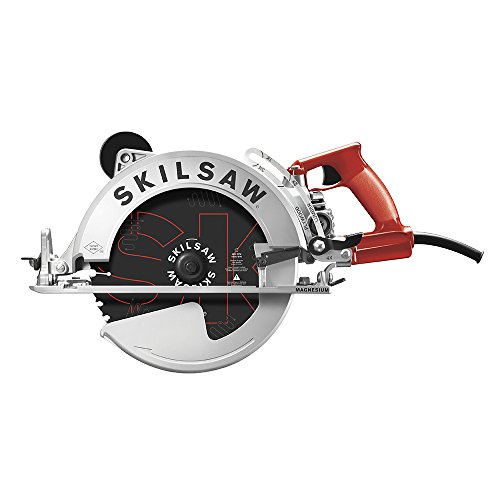
The SKILSAW SPT70WM-01 is built for relentless power with a 15-amp dual-field motor and a magnesium body that resists wear at tough job sites. Its 10-1/4″ blade delivers deep cuts in one pass, making it ideal for framing and large-door openings. The worm drive design provides high torque for demanding cuts and long-term durability, while the magnesium construction reduces overall weight compared to traditional steel bodies.
Evolution S185CCSL 7-1/4″ Metal Cutting Saw
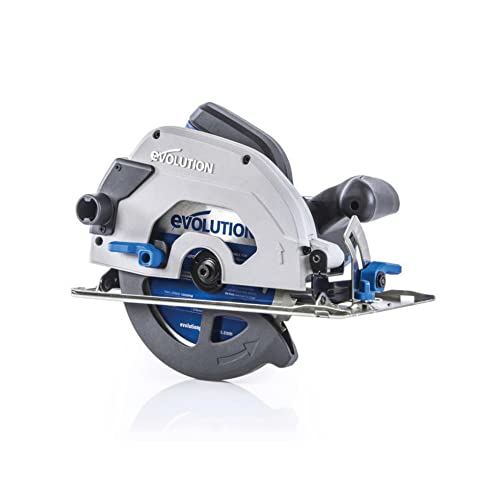
The Evolution S185CCSL uses a robust 15-amp motor to tackle heavy-duty metal cutting with a 7-1/4″ blade. It excels at clean, burr-free edges when paired with a high-quality TCT blade, delivering smooth finishes with minimal heat buildup. At roughly 11.4 pounds, it remains manageable for overhead tasks and extended use without excessive fatigue.
Skil 5080-01 13-Amp 7-1/4″ Circular Saw

The Skil 5080-01 offers a strong 13-amp motor with a favorable bevel range and efficient cutting capacity. This model emphasizes balance and reduced fatigue, featuring a 51-degree bevel with positive stops for precise, wider cuts. It performs well across framing and dry-cut metal tasks when paired with appropriate blades.
Evolution R185CCS 7-1/4″ Multi-Material Saw

The Evolution R185CCS is engineered for versatility across multiple materials. It features a 15-amp motor and a 7-1/4″ blade designed for steel, wood, and other composites. A compact, ergonomic design helps maintain control during long cuts, while a high-torque gearbox contributes to consistent RPM and durability even after heavy use.
Milwaukee M18 Fuel Metal Cutting Circular Saw

The Milwaukee M18 Fuel model offers cordless convenience with a brushless motor that delivers high RPM and endurance for metal cutting. Its lightweight design and efficient battery technology extend all-day use, making it suitable for overhead work or sites without ready power outlets. The tool-less design and long-lasting components contribute to ease of maintenance on the job.
Buying Guide: Key Purchase Considerations
When selecting a deepest-cutting circular saw, consider the following perspectives to ensure you pick the right tool for your projects.
- Depth of Cut and Blade Size: A larger blade diameter increases maximum cut depth, enabling fewer passes through thick materials. Look for saws with 7-1/4″ or 10-1/4″ blades for deeper cuts.
- Power Source: Corded models deliver consistent power, ideal for continuous cuts. Cordless options offer portability but require battery life planning and compatible blades for metal.
- Motor Type and Durability: Dual-field or brushless motors provide cooler operation and longer life under heavy workloads. Magnesium or composite bodies reduce weight without sacrificing strength.
- Bevel Capacity and Accuracy: Wide bevel ranges with positive stops improve versatility for angled cuts. A stable base and high-precision guides reduce drift and improve finish quality.
- Blade Type: For metal, a high-tooth TCT blade minimizes burrs and heat. For wood, ensure the blade is designed for clean, chip-free cuts and dust control.
- Ergonomics and Weight: Lighter tools reduce fatigue during long sessions. Balance, grip comfort, and vibration control contribute to accuracy and safety.
- Durability and Warranty: Look for models with robust gearboxes and warranties that cover wear parts and motor life under heavy use.
- Accessories and Availability: Blade types, guides, and rails affect overall cost and setup speed. Ensure blades are readily available and compatible with your saw.
In sum, the best choice depends on your primary tasks—structure framing benefits from deep, powerful corded options, while metal fabrication may favor dedicated metal-cutting blades and robust gearboxes. Cordless models add mobility for remote sites, but you should verify battery life and power delivery for sustained metal cuts.