
When choosing a 7-1/4 inch sliding miter saw, the best models emphasize portability, battery power, cutting capacity, and accuracy. This guide highlights five top options, each offering distinct advantages for DIYers and pros alike. From cordless versatility to integrated alignment systems, these saws cover a range of worksite needs while maintaining dependable performance for trim, molding, and light construction projects.
Summary of selected products:
- DEWALT DCS361B — Cordless 7-1/4″ Miter Saw (Tool Only)
- DEWALT DCS361M1 — Cordless 7-1/4″ Miter Saw (Battery Included)
- CRAFTSMAN CMCS714M1 — 7-1/4″ Sliding Miter Saw with Battery/Charger Included
- RYOBI ONE+ 18V Sliding Miter Saw — 7-1/4″
- Evolution R185SMS+ — Multi-Material 7-1/4″ Sliding Miter Saw
DEWALT 20V MAX 7-1/4-Inch Miter Saw, Tool Only

The DEWALT DCS361B is designed for cordless convenience with a 7-1/4″ blade size. It features an integrated cut line cross-cut positioning system that provides an adjustment-free cut line indication for better accuracy and visibility. It can cup up to 3-5/8″ nested crown and 3-1/2″ base vertically, supporting common trim and crown applications. An adjustable stainless steel miter detent plate with 11 positive stops helps maintain consistent cuts in demanding settings. This model emphasizes portability without sacrificing alignment accuracy.
DEWALT 20V MAX* 7-1/4-Inch Miter Saw, Cordless

The DCS361M1 variant includes a 20V Max battery and provides substantial cutting efficiency, capable of delivering hundreds of cuts on pine with a single battery cycle in many cases. It also uses the same integrated cut line cross-cut positioning system for quick, accurate setups. The saw accepts nested crown up to 3-5/8″ and base material up to 3-1/2″ vertically, aligning with many trim and moulding tasks in tight spaces. A solid option for pro and DIY projects requiring cordless flexibility.
CRAFTSMAN V20 Cordless Sliding Miter Saw, 7-1/4 inch
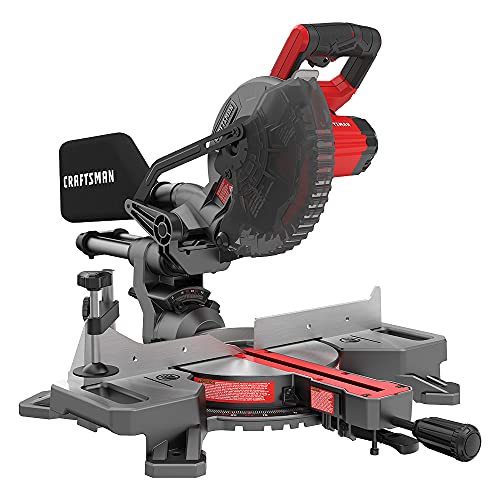
Craftsman CMCS714M1 offers a powerful 3,800 RPM motor designed for cutting 2x lumber, hardwoods, baseboard, and trim with ease. It supports 8-inch cross cuts at 90 degrees and 5-1/2-inch cross cuts at 45 degrees. It also provides added capacity for 3-5/8″ nested crowns and 3-1/2″ baseboards vertically. The tool is designed with sliding capabilities to maximize material reach while maintaining compact profile for transport and storage. A versatile option for homeowners and hobbyists focusing on interior trim projects.
RYOBI ONE+ 18V Sliding Miter Saw

RYOBI’s ONE+ 18V cordless miter saw emphasizes longevity with up to 800 cuts per charge and best-in-class 2×10 cross-cut capacity. It is compatible with the entire ONE+ system, enabling you to swap batteries across more than 260 tools. This model provides cordless convenience for trim, baseboard, and small framing tasks, with an emphasis on budget-friendly operation and broad ecosystem flexibility.
Evolution Power Tools R185SMS+ Sliding Miter Saw

The Evolution R185SMS+ stands out with multi-material cutting capability. Its patented Evolution technology enables cutting wood, plastic, metal, and more with minimal sparks or burrs, including nails embedded in wood. The saw features 0-45 degree bevel and 0-50 degree miter ranges, offering extensive versatility for complex angles. A 210 mm slide provides practical reach for molding and trim work, and a 3-year warranty supports reliability across tradespeople and serious hobbyists.
Buying Guide: Key Purchase Considerations
Selecting the right 7-1/4″ sliding miter saw involves balancing power, portability, cutting capacity, and compatibility with your existing tooling ecosystem. Consider the following factors to make a informed choice:
- Power source: Cordless models deliver portability but may require more battery management. Corded options offer consistent power for longer sessions but limit mobility.
- Cutting capacity: Nested crown and baseboard capacity determine whether the saw can handle crown molding and base trim without repositioning.
- Bevel and miter range: Wider bevel and miter angles enable more intricate cuts; ensure the model supports common angles used in your projects.
- Cut line visibility: Integrated cut line indicators, LED guides, or shadow lines improve accuracy, especially in tight spaces or overhead cuts.
- Dust collection and system compatibility: Effective dust management is important for indoor work and finish quality; check compatibility with your shop setup.
- Weight and portability: For job sites and attic or basement work, lighter saws with carry handles reduce fatigue and transport effort.
- Accessories and warranty: Battery availability, included blades, stands, and a reliable warranty are practical considerations for ongoing use.
In summary, cordless models (like the DEWALT and RYOBI options) are ideal for mobile tasks and quick trims, while multi-material capable tools (Evolution) suit workshops that demand cutting through metal or plastic in addition to wood. Evaluate your typical projects, whether you need nested crown capacity, and how much mobility matters to your workflow when comparing these options.